Choosing an Outdoor First Aid Kit for Recreation and Remote Activities
Outdoor activities are appealing because they take people away from controlled environments. A walk across open country, a weekend camp, a climbing session, a mountain bike route, or a day beside the water all offer space, challenge, and freedom. That same freedom also means that small injuries can be harder to deal with. A cut may happen far from a sink and clean worktop. A blister can change the pace of a group. A burn from cooking equipment can be awkward to cool and dress. A twisted ankle can turn a short return route into a slow problem.
An outdoor first aid kit is designed to reduce those practical difficulties. It gives individuals and groups a compact set of supplies for managing common injuries quickly, protecting wounds, and keeping a situation stable while the next step is decided. MERE Supplies groups recreational medical products around outdoor activities such as hiking, camping, climbing, cycling, trail running, and watersports, which is a useful reminder that kit choice should reflect the environment rather than a generic checklist.
Start With the Activity
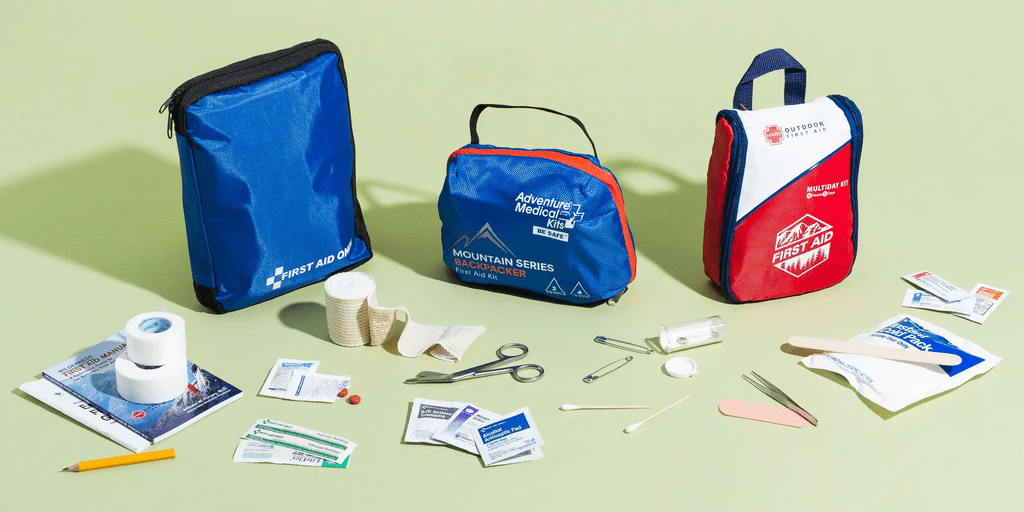
The best kit for outdoor recreation depends on what people are doing. A lightweight walking kit may focus on plasters, blister care, dressings, wipes, gloves, tape, and a thermal blanket. A camping kit may need to account for minor burns, food preparation cuts, insect bites, and longer time away from shops. A mountain bike or climbing group may place more emphasis on larger dressings, triangular bandages, and supplies that can help manage an injury until evacuation is possible.
This does not mean every trip requires a large medical bag. Overpacking can make a kit more likely to be left behind. The aim is to carry enough to cover likely problems while keeping the kit practical. A compact pouch inside a daypack is often more valuable than a larger kit stored in a vehicle that cannot be reached when it is needed.
Consider Distance From Help
Outdoor first aid planning should always consider response time. In urban recreation, professional care may be close. On remote paths or in bad weather, help may take much longer. That gap changes the purpose of a kit. It is not only for cleaning a scrape; it may also help keep someone warm, control bleeding, secure a dressing, or make a casualty more comfortable while the group waits.
Communication should be part of the same plan. Carrying a charged phone, knowing how to share a location, and understanding the route’s exit points can matter as much as the contents of the pouch. First aid supplies work best when they sit within a wider safety routine that includes route planning, weather checks, and clear decisions about when to turn back.
Common Outdoor Injuries
Most outdoor first aid incidents are ordinary, but ordinary does not mean unimportant. Blisters are a classic example. If treated early, they may be a minor nuisance. If ignored, they can become painful enough to slow the group or create further rubbing and skin damage. Small cuts and grazes should be cleaned and covered to reduce contamination. Sprains and strains need rest, support, and a decision about whether continuing is sensible.
Burns can arise around stoves, fires, hot drinks, and sun exposure. Insect bites and plant irritation may be minor but distracting. Cold and wet conditions can make any stop more serious, especially if someone is injured and no longer generating warmth through movement. A well-chosen kit should therefore include both wound care and basic protective items, not only plasters.
Organisation and Familiarity
The contents of a first aid kit are only useful if people can find and use them. Outdoor conditions are rarely ideal: hands may be cold, rain may be falling, and the injured person may be anxious. Clear organisation helps. Supplies should be grouped logically, protected from moisture, and checked before trips.
Familiarity is just as important. Before relying on a kit, open it. Identify the gloves, wipes, dressings, bandages, tape, and any emergency items. Read the guidance leaflet if one is included. If the group includes a leader, coach, parent, or organiser, that person should understand both the kit and their own limits. Training gives confidence and reduces hesitation.
Adapting for Groups and Seasons
A solo runner, a family camping weekend, and a guided outdoor activity need different levels of preparation. Group leaders should think about the number of participants, age range, known medical needs, and the possibility that the person carrying the kit may become the one who is injured. Larger groups may benefit from more than one kit or from distributing essential items among several bags.
Seasonal changes matter as well. Warm weather may increase the need for blister care, bite relief, sun protection, and hydration planning. Cold and wet weather makes thermal protection, waterproof storage, and spare gloves more important. A kit should not be treated as a fixed object that is packed once and forgotten; it should be reviewed as activities change.
Maintaining the Kit
After every trip, check what was used and replace it. Damaged sterile packaging, damp items, expired dressings, and missing gloves can reduce the kit’s usefulness. Store it somewhere dry and easy to find. If it is carried often, inspect it often. Outdoor equipment gets compressed, soaked, dropped, and opened in a hurry, so maintenance is part of responsible ownership.
Conclusion
An outdoor first aid kit is a practical part of recreational planning. It helps people respond to common injuries promptly, protects small problems from becoming bigger ones, and supports calm decision-making when help is not immediately available. The right kit is portable, relevant to the activity, well organised, and regularly checked. Combined with basic first aid knowledge and sensible route planning, it lets outdoor activity remain adventurous without leaving preparation to chance.