The Complete Guide to Planning and Maintaining a Safe and Professional Parking Lot
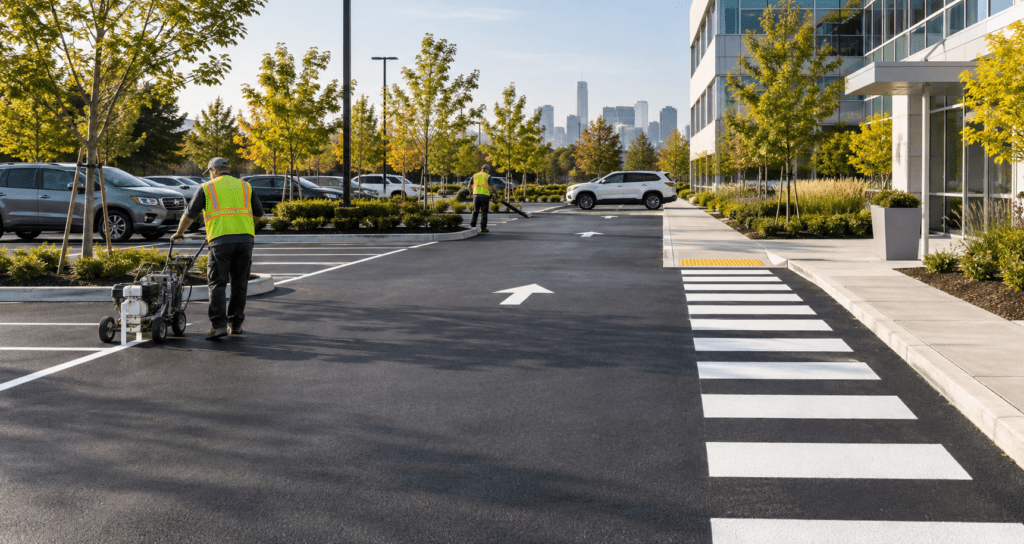
A parking area is more than an open space where vehicles are left temporarily. A well-designed parking lot helps drivers understand where to enter, where to park, how to move through the property, and how to exit safely. Clear markings can make a major difference in the way a parking area functions because they establish visual boundaries and organize traffic. When lines become faded, parking spaces become difficult to identify, or directional markings disappear, confusion can quickly develop. Poorly maintained markings can also make a property appear neglected even when the pavement itself is in good condition. Professional parking lot striping provides a practical way to restore organization and improve the appearance of an existing parking area. Proper planning is important because line placement, spacing, accessibility markings, traffic arrows, loading areas, fire lanes, and other pavement markings all need to work together. The quality of the materials and preparation can also affect how long the markings remain visible. Property owners and managers should therefore consider parking layout, surface condition, traffic patterns, weather exposure, maintenance, and future changes before beginning a striping project. With careful planning and professional execution, a parking area can become easier to navigate, more organized, and more visually appealing.
Why Clear Parking Markings Matter
Parking markings provide drivers with visual information that helps them understand how a parking area should be used. Clearly defined spaces make it easier for drivers to position vehicles properly and reduce unnecessary confusion between neighboring spaces. Directional arrows can indicate the intended flow of traffic, while designated loading or restricted areas can prevent vehicles from occupying spaces that need to remain accessible. Clearly visible markings can also make pedestrians more aware of crossings and walking areas. When these features are faded or inconsistent, drivers may interpret the available space differently, resulting in inefficient parking and unnecessary congestion. A well-organized layout can make better use of the available pavement without making the area feel crowded. Property owners should periodically inspect pavement markings and identify areas where visibility has declined. Regular attention is particularly important in busy parking areas where vehicles repeatedly travel over painted lines. Maintaining clear markings is not simply an aesthetic decision; it is part of creating an organized environment for everyone who uses the property.
Evaluate the Pavement Before Striping
The condition of the pavement should be considered before any new markings are applied. Paint applied to damaged, heavily cracked, dirty, or deteriorating pavement may not produce the expected long-term results. Cracks, potholes, loose material, oil deposits, and other surface problems can interfere with adhesion and create an uneven appearance. Property owners should determine whether pavement repairs should be completed before marking the parking area. In some cases, sealcoating or resurfacing may also be appropriate before new lines are applied. The timing of different maintenance activities matters because applying paint too early can result in unnecessary rework. A professional assessment can help determine which repairs should happen first. Surface preparation may include cleaning debris, removing contaminants, and ensuring that the pavement is suitable for marking. Addressing underlying pavement problems before striping can improve the appearance and longevity of the finished work. A clean and stable surface gives the markings a better foundation and helps ensure that the final layout looks consistent.
Create an Efficient Parking Layout
A good parking layout should make efficient use of available space while allowing vehicles to move comfortably. The arrangement of parking spaces should consider the size and type of vehicles commonly using the property. Larger vehicles may require more maneuvering room, while compact spaces may work well in areas where smaller vehicles are common. The placement of driving lanes, turning areas, entrances, exits, and pedestrian routes should also be considered. A layout that fits many spaces onto a property may not necessarily be the most practical if drivers have difficulty maneuvering. Traffic flow should be intuitive so that users can quickly understand where they should travel. Property owners should also consider how the layout may affect deliveries, emergency access, waste collection, and other operational needs. A professional striping plan can help balance space efficiency with usability. Taking time to plan the layout before painting can prevent costly changes later. The objective should be to create an organized parking environment that works effectively during both quiet and busy periods.
Consider Accessibility Requirements
Accessibility should be an important part of any parking layout. Designated accessible spaces need to be clearly marked and positioned appropriately according to applicable requirements. Access aisles should remain unobstructed, and signs or other required features should be visible to drivers and pedestrians. Property owners should understand that accessibility involves more than simply painting a symbol on pavement. The overall placement, dimensions, access routes, and connection to building entrances can all matter. Requirements can vary depending on the type of property and applicable regulations, so property owners should confirm current requirements before beginning work. A professional can help identify areas that need attention and ensure that markings are incorporated into the overall layout. Existing parking areas may require updates when regulations or property uses change. Keeping accessibility markings visible and properly maintained demonstrates attention to the needs of all users. It also helps create a more organized and inclusive parking environment.
Use Directional Arrows Effectively
Directional arrows can be especially useful in parking areas where traffic needs to follow a particular route. Arrows help drivers understand whether lanes are intended for one-way or two-way movement and can reduce hesitation at intersections. Their placement should be logical and easy to see from a reasonable distance. Too few arrows may leave drivers uncertain about the intended direction, while excessive markings can make the pavement appear cluttered. Property owners should examine how vehicles currently move through the area before deciding where directional markings are needed. Changes in traffic patterns may also require updates to existing arrows. If a parking area has multiple entrances or exits, directional markings can help distribute traffic and prevent unnecessary congestion. Arrows should be large enough and positioned appropriately for visibility. Consistent markings throughout the property make the system easier to understand. Thoughtful directional design can contribute significantly to smoother traffic movement.
Identify Fire Lanes and Restricted Areas
Certain portions of a parking area may need to remain clear for emergency access, building operations, deliveries, or other purposes. These areas should be clearly identified using appropriate pavement markings and signs where required. Fire lanes, loading zones, no-parking areas, and other restricted spaces serve specific functions and should not be treated as ordinary parking spaces. Faded or unclear markings can make it difficult for drivers to understand which areas are restricted. Property owners should periodically inspect these markings to ensure they remain visible. The placement of restricted areas should also make sense within the overall parking layout. If a property has changed its building access, loading operations, or traffic flow, the pavement markings may need to be updated accordingly. Clear communication through markings and signs can reduce unauthorized parking and help keep important areas accessible. Properly identified restricted spaces are an essential component of an organized parking environment.
Choose Suitable Paint and Materials
The materials used for pavement markings can influence their visibility and durability. Different parking environments may require different types of paint or marking materials depending on traffic volume, surface conditions, and exposure to weather. High-traffic areas may experience faster wear than lightly used parking spaces. The color and quality of the material should also be considered because markings need to remain easy to distinguish from the pavement. Professional contractors can recommend materials based on the specific conditions of the property. Property owners should ask about expected durability and maintenance requirements rather than selecting materials based solely on initial cost. Using appropriate products can reduce the frequency of repainting and help maintain a professional appearance. Material selection should also account for the condition of the pavement and the type of equipment used during application. A properly chosen product applied to a prepared surface can provide better long-term results. Investing in suitable materials can therefore contribute to both appearance and maintenance efficiency.
Prepare the Surface Properly
Surface preparation is one of the most important steps in achieving clean and durable markings. Dirt, dust, leaves, oil, loose debris, and other contaminants can interfere with paint adhesion. If the surface is not adequately prepared, new markings may begin to deteriorate sooner than expected. Professional preparation may involve sweeping, cleaning, and addressing specific contaminants before painting begins. The pavement should also be dry and in suitable condition for the selected marking material. Preparation requirements can vary depending on whether the surface is asphalt, concrete, newly repaired pavement, or an older parking area. Property owners should avoid scheduling work without considering the condition of the pavement. Rushing the preparation stage can undermine the quality of the entire project. A careful contractor will evaluate the surface before beginning application and make recommendations when additional preparation is needed. Good preparation creates a cleaner foundation for accurate and long-lasting markings.
Plan the Project Around Weather
Weather conditions can influence the quality and timing of parking lot marking projects. Paint generally requires appropriate surface and air conditions to cure properly. Rain, excessive moisture, extreme temperatures, and other unfavorable conditions may affect application and drying. Property owners should discuss weather considerations with the contractor before scheduling the project. A flexible schedule may be useful when conditions are uncertain. Applying markings under unsuitable conditions can lead to poor adhesion, uneven coverage, or extended drying times. Traffic should also remain off newly painted areas until the markings have adequately cured. Contractors can provide guidance about how long the area should remain closed. Planning around suitable weather can help protect the investment and reduce the risk of premature deterioration. Good scheduling is therefore an important part of achieving professional results.
Use Accurate Measurements
Precision is essential when creating parking spaces and other pavement markings. Lines that vary noticeably in length, width, or spacing can make the parking area look unprofessional and may reduce usable space. Accurate measurements help ensure that spaces remain consistent throughout the property. The contractor should establish reference points before applying paint rather than relying on visual estimates. Measurements should account for existing pavement features, curbs, islands, entrances, drainage areas, and other obstacles. Consistency becomes particularly important in larger parking areas where small errors can become more noticeable across many spaces. A properly measured layout can also help maximize the usable pavement without creating unnecessarily narrow or difficult spaces. Property owners should review the proposed layout before work begins if significant changes are being made. Accurate planning at the beginning can prevent expensive corrections after the paint has been applied.
Maintain Consistent Line Visibility
Parking lines naturally become less visible over time due to traffic, weather, dirt, cleaning activities, and general wear. Property owners should inspect the markings regularly rather than waiting until they become almost invisible. Faded lines can make it difficult for drivers to identify spaces, particularly at night or during poor weather. Consistent visibility is especially important for directional markings, accessibility spaces, restricted areas, and pedestrian crossings. Regular inspections can help property managers identify areas that need attention before the entire parking area requires extensive work. Maintenance schedules can be based on traffic levels and the observed condition of the markings. Busy properties may require more frequent attention than parking areas with lighter use. Maintaining markings as part of routine property care can help preserve a professional appearance. It can also make future maintenance more predictable and easier to budget for.
Improve the Appearance of the Property
A parking area is often one of the first parts of a property that visitors see. Fresh, consistent markings can create a cleaner and more organized appearance without requiring major structural changes. Clearly defined parking spaces can make the pavement look orderly and well maintained. This can be especially valuable for businesses, offices, retail properties, apartment communities, and other facilities where appearance contributes to the overall impression of the property. Faded or inconsistent markings can make an otherwise attractive property look neglected. Combining pavement maintenance with fresh markings can create a more noticeable improvement. Property owners should consider the visual consistency of line colors, symbols, arrows, signs, curbs, and other parking features. A cohesive appearance makes the entire parking area easier to understand. Good maintenance can therefore contribute to both functionality and the perceived quality of the property.
Coordinate With Other Parking Improvements
Parking areas often require several types of maintenance over their lifespan. Paving repairs, sealcoating, drainage improvements, signage, lighting, landscaping, and pavement markings may all be part of an overall property maintenance plan. Coordinating these projects can prevent one improvement from damaging or covering another. For example, markings may need to be applied after certain pavement treatments have fully cured. Similarly, changes to landscaping or traffic routes may require the parking layout to be adjusted. Property owners should create a maintenance plan that considers how different projects interact. Coordinating work can reduce disruptions and may make better use of contractor visits. It also provides an opportunity to evaluate whether the current layout still meets the property’s needs. A parking area should evolve as property use changes. Periodic review can help ensure that markings and other features remain appropriate.
Consider Pedestrian Safety
Pedestrians share parking areas with moving vehicles, so pedestrian routes should be clearly communicated wherever possible. Crosswalks, walkways, curb markings, and other visual features can help identify areas where drivers should expect people to cross. Pedestrian routes should connect logically with building entrances and other frequently used destinations. Poorly positioned crossings can create unnecessary conflicts between vehicles and pedestrians. Property owners should observe how people actually move through the parking area rather than relying solely on the original design. If visitors routinely cross at locations that were not originally designated, the layout may need to be reconsidered. Clear markings can help create more predictable movement patterns. Lighting and signage may also complement pavement markings in areas with heavy pedestrian activity. A parking design that considers both vehicles and pedestrians can provide a more comfortable experience for everyone using the property.
Prepare for Seasonal Wear
Seasonal conditions can affect the appearance and durability of pavement markings. Rain, snow, ice, heat, sunlight, dirt, and repeated vehicle traffic can gradually cause markings to fade. The degree of wear depends on the property’s climate, traffic volume, pavement condition, and material selection. Property owners should consider seasonal conditions when planning inspections and maintenance. After periods of heavy weather, it can be useful to check whether markings remain clearly visible. Drainage problems can also contribute to surface deterioration and should be addressed when identified. Regular inspections can help property managers distinguish normal wear from signs of underlying pavement problems. Planning maintenance before markings become severely faded can reduce the need for extensive restoration. A proactive approach helps keep the parking area looking professional throughout the year.
Work With an Experienced Professional
Hiring an experienced contractor can make a significant difference in the quality and consistency of a parking marking project. Professional contractors understand layout planning, surface preparation, material selection, application techniques, traffic management, and project scheduling. They can also identify potential issues that property owners may not notice. Before hiring a contractor, property owners should ask about experience with similar parking areas and request a clear explanation of the proposed work. References, previous projects, and written estimates can help with the evaluation process. Contractors should also be able to explain what preparation is required and how long the area will need to remain closed. Communication is important because parking projects can temporarily affect normal property operations. A professional approach can minimize disruption while producing clean and consistent results. Selecting a contractor based on quality and experience rather than price alone can provide better long-term value.
Create a Maintenance Schedule
A maintenance schedule can help property owners stay ahead of fading markings and pavement deterioration. Instead of waiting for users to complain about unclear parking spaces, managers can inspect the area periodically and record areas that need attention. The schedule can include checks for line visibility, directional arrows, accessibility markings, restricted areas, pedestrian crossings, pavement damage, and signs. Documentation can help identify recurring problems and determine whether maintenance intervals need to be adjusted. High-traffic areas may require more frequent inspections than lightly used spaces. Property owners can also coordinate inspections with other routine property maintenance activities. A consistent schedule makes it easier to budget for future work and reduces the chance of major deterioration being overlooked. Preventive maintenance is usually easier to manage than emergency corrections. Regular attention keeps the parking area functional and visually organized.
Conclusion
A well-maintained parking area can improve organization, appearance, traffic flow, accessibility, and overall usability. Parking lot striping is one of the most practical ways to define spaces, communicate traffic patterns, identify restricted areas, and create a more professional environment. However, successful results depend on more than simply applying paint to pavement. Property owners should evaluate pavement condition, plan an efficient layout, consider accessibility, identify pedestrian routes, choose appropriate materials, prepare the surface carefully, and schedule the work under suitable conditions. Accurate measurements and consistent application can make the finished parking area look cleaner and function more effectively. Regular inspections are equally important because markings naturally wear as a result of traffic, weather, and everyday use. Working with an experienced professional can help ensure that layout decisions, materials, preparation, and application are handled properly. Property owners should also coordinate marking projects with paving, sealcoating, drainage, signage, and other improvements to avoid unnecessary rework. By treating pavement markings as part of an ongoing property maintenance strategy rather than a one-time cosmetic project, owners and managers can preserve a safer, more organized, and attractive parking environment. Careful planning and regular maintenance can extend the useful appearance of the markings while making the parking area easier for drivers and pedestrians to navigate.