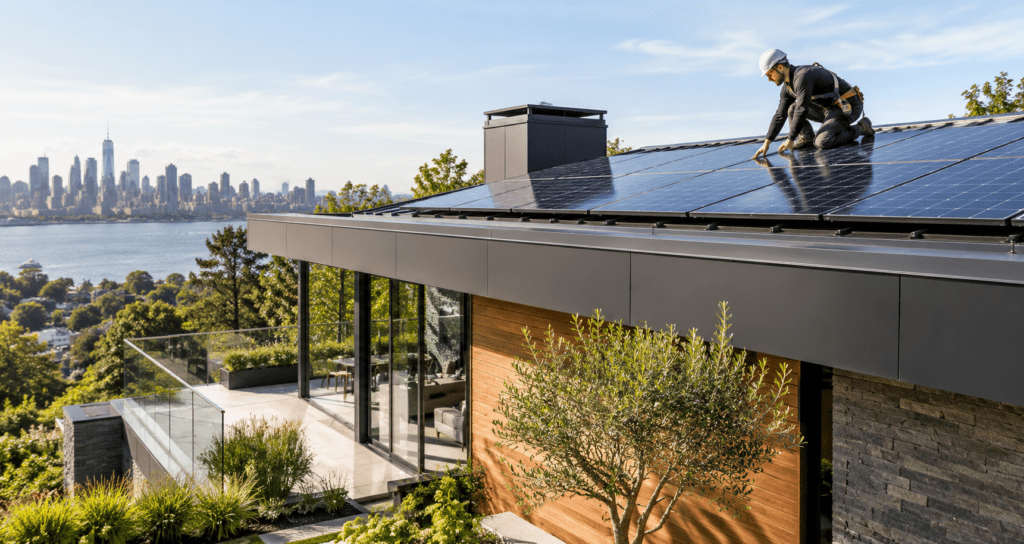
Important Factors to Consider Before Choosing Solar Panel Installation for Your Home
Solar energy has become an increasingly popular option for homeowners who want to reduce their dependence on traditional electricity sources, improve energy efficiency, and take greater control over their household energy expenses. As electricity demand continues to grow, many property owners are exploring renewable energy systems that can generate power directly from sunlight. Solar technology can provide an opportunity to produce electricity on-site while potentially reducing reliance on the conventional power grid. However, choosing a solar energy system requires more than simply purchasing panels and placing them on a roof. Homeowners need to consider the condition of the property, available sunlight, energy consumption, roof structure, equipment quality, installation requirements, maintenance, storage options, and expected long-term performance. Careful planning can help ensure that the selected system is suitable for the property’s energy needs. Professional solar panel installation can also help homeowners avoid common design and installation problems that may affect system efficiency. Before making a decision, it is useful to understand how solar systems work, what factors influence their performance, and what questions should be asked of potential installers. A well-planned solar project can become a valuable long-term improvement when the equipment and installation approach are matched carefully to the property’s requirements.
Understand How Solar Energy Systems Work
Before investing in a solar system, homeowners should understand the basic components and how they work together. Solar panels contain photovoltaic cells that convert sunlight into direct-current electricity. An inverter then converts that electricity into alternating current that can be used by household appliances and electrical systems. Depending on the design, a solar system may also include monitoring equipment, mounting hardware, wiring, disconnects, and battery storage. Each component plays an important role in the overall performance of the system. Homeowners should understand that panels alone are not the entire system. The quality and compatibility of the inverter, mounting equipment, electrical connections, and other components can influence reliability. Some systems are connected directly to the electrical grid, while others may include battery storage to provide energy when solar production is low. Understanding these basics makes it easier to compare different proposals and ask informed questions. It also helps homeowners recognize why two systems with similar panel counts may have different costs, capabilities, and expected performance.
Evaluate Your Household Energy Consumption
One of the most important factors when planning a solar system is understanding how much electricity the household actually uses. Homeowners should review recent electricity bills to identify average consumption and recognize seasonal changes. Energy use can vary significantly depending on heating, cooling, appliances, water heating, home offices, entertainment equipment, and household size. A system designed without considering actual consumption may produce either too little or more electricity than is practical for the property’s needs. Reviewing historical energy use gives installers useful information for developing an appropriate system design. Homeowners should also consider expected changes in consumption. Adding an electric vehicle, replacing gas appliances with electric models, building an additional room, or installing a larger heating and cooling system could increase future electricity requirements. Planning for these changes may influence the size and configuration of the solar system. An accurate assessment of household energy use creates a stronger foundation for making decisions about equipment capacity and potential savings.
Assess the Roof Condition
The condition of the roof should be evaluated before solar equipment is installed. Solar panels are designed to remain in place for many years, so installing them on a roof that needs major repairs or replacement may create unnecessary complications. If the roof is approaching the end of its useful life, homeowners may want to address roofing concerns before adding solar equipment. Removing and reinstalling panels later can increase costs and create additional work. The roof structure should also be suitable for supporting the mounting system and panels. Professional installers can evaluate the roof’s condition, available installation areas, and structural considerations. Homeowners should ask whether a roof inspection is included in the initial assessment. Roof material can also influence installation methods and project requirements. Planning these details before purchasing equipment can help prevent unexpected issues during construction. A sound roof provides a better foundation for a long-term solar investment.
Consider Sunlight Exposure
Solar panels require sunlight to produce electricity, so the amount and consistency of sunlight available to a property are important considerations. Trees, neighboring structures, chimneys, roof features, and other obstacles can create shadows that reduce energy production. The position and angle of the roof can also influence how much sunlight reaches the panels throughout the day and across different seasons. A professional assessment should evaluate potential shading and identify suitable installation areas. Homeowners should be cautious about estimates that do not account for shading or seasonal changes in sunlight. Even partial shading can affect production depending on system design and equipment. In some cases, trimming or managing vegetation may improve solar access, although homeowners should consider the long-term growth of trees rather than making decisions based only on current conditions. Understanding sunlight exposure helps create more realistic expectations about system performance. A well-designed installation uses available roof space efficiently while considering how sunlight changes throughout the year.
Choose Appropriate Solar Panel Technology
Not all solar panels are identical. Different products can vary in efficiency, physical size, durability, warranty coverage, appearance, and expected performance. Homeowners should compare panels based on more than their advertised power rating. Efficiency indicates how effectively a panel converts available sunlight into electricity, while other specifications can provide information about performance under different conditions. The available roof space may influence which panel technology is most appropriate. If roof space is limited, higher-efficiency panels may help generate more electricity within the available area. If space is abundant, homeowners may have greater flexibility in equipment selection. Product warranties and manufacturer reputation should also be considered. Homeowners should ask installers for detailed information about the proposed equipment and why it is suitable for the property. Selecting reliable equipment can contribute to long-term system performance. The goal should be to choose panels that provide a suitable combination of performance, durability, cost, and warranty protection.
Compare Inverter Options
The inverter is a critical part of a solar energy system because it converts electricity generated by the panels into a form that household electrical equipment can use. Different system designs may use a central inverter, microinverters, or other configurations. Each approach can have different characteristics related to efficiency, monitoring, maintenance, and performance under partial shading. Homeowners should ask installers to explain which inverter technology they recommend and why. The inverter should be appropriately matched to the panel array and overall electrical system. A high-quality panel paired with unsuitable or poorly matched electrical equipment may not deliver the expected results. Homeowners should also consider warranty coverage and replacement procedures because inverters can have different service requirements from solar panels. Monitoring capabilities may allow homeowners to observe system production and identify potential problems. Understanding inverter choices can make it easier to evaluate competing proposals. The best option depends on the property’s design, energy requirements, shading conditions, budget, and desired monitoring features.
Consider Battery Storage
Battery storage can provide additional flexibility for homeowners who want to store solar electricity for later use. Without storage, electricity produced during sunny periods may be used immediately or handled according to the property’s grid connection arrangement. A battery can store some generated energy for use when solar production is lower, such as during evening hours. Battery systems can also provide backup capabilities depending on the equipment and system configuration. However, batteries add cost, equipment, maintenance considerations, and additional installation requirements. Homeowners should determine whether storage provides meaningful value for their particular energy goals. If backup power is important, the system may need to be designed around specific essential circuits rather than the entire property. Battery capacity should also be considered carefully because larger does not always mean better. A professional can evaluate household consumption patterns and explain what size and configuration may be appropriate. Homeowners should compare battery warranties, usable capacity, expected lifespan, and system compatibility before making a decision.
Review Electrical System Compatibility
A solar energy system needs to work appropriately with the property’s existing electrical infrastructure. The electrical panel, wiring, breakers, and other components should be evaluated before installation. Older properties may require electrical improvements before a solar system can be connected. Homeowners should ask whether the proposed project includes an assessment of the existing electrical system. If upgrades are necessary, they should be identified before the final project budget is established. The solar array should also be properly integrated with household circuits and any battery storage equipment. Electrical work should be performed by appropriately qualified professionals because incorrect connections can create safety and performance problems. Homeowners should understand whether solar installation and electrical upgrades will be handled by the same contractor or coordinated between different professionals. Clear responsibility can prevent confusion during the project. Evaluating electrical compatibility in advance helps ensure that the solar system is installed as part of a safe and functional overall energy system.
Understand Installation Costs
Solar projects can involve several expenses beyond the panels themselves. Costs may include mounting hardware, inverters, wiring, electrical upgrades, labor, monitoring equipment, batteries, roof preparation, permits, inspections, and other project-specific requirements. Homeowners should request a detailed proposal that explains what is included in the quoted price. Comparing proposals based solely on total cost can be misleading if different installers include different equipment or services. A lower price may exclude important components or provide lower-quality equipment. Homeowners should ask about warranties, maintenance responsibilities, system monitoring, and potential additional costs. It is also useful to understand payment terms before signing an agreement. A clear financial breakdown allows homeowners to evaluate the overall value of the project. Solar should generally be viewed as a long-term investment, so initial price is only one part of the decision. Equipment quality, expected production, durability, and service support can all influence the long-term value of the system.
Research Installer Experience
Choosing the right installer is just as important as selecting the equipment. Solar systems require careful planning, electrical integration, roof mounting, equipment configuration, and system testing. An experienced installer is more likely to understand how these components interact and how to address property-specific challenges. Homeowners should ask about the installer’s experience with projects similar to their own. Questions about roof types, electrical systems, battery storage, monitoring equipment, and system design can help reveal whether the contractor is familiar with the required work. Homeowners should also verify relevant qualifications and certifications where applicable. References and customer feedback can provide additional insight into communication and workmanship. The installer should be willing to explain the proposed design instead of simply presenting a price. Good communication is particularly important because solar projects can involve multiple stages and different types of work. Selecting an experienced professional can reduce the risk of installation errors and help ensure that the system is configured appropriately.
Ask About Warranties
Warranties are an important part of a solar investment because equipment is expected to operate for many years. Different components can have separate warranties, including solar panels, inverters, batteries, mounting equipment, and workmanship. Homeowners should understand what each warranty covers and how long the coverage lasts. Equipment warranties may address manufacturing defects or performance concerns, while workmanship warranties can cover certain installation-related problems. Homeowners should ask who will handle warranty claims if an issue occurs. It is also useful to understand whether the manufacturer or installer is responsible for replacing defective equipment. Warranty terms should be reviewed carefully rather than relying solely on general statements about long-term coverage. Strong warranty support can provide additional confidence in the quality of the selected equipment and installation. Homeowners should keep copies of all warranty documents with other solar project records. Clear documentation can make future service requests easier to manage.
Consider System Monitoring
Solar monitoring systems allow homeowners to observe how much electricity their system is producing and may provide information about system performance. Monitoring can help homeowners understand whether the system is operating as expected and identify changes that may indicate a problem. Some systems provide information through a mobile application, website, or dedicated display. The level of monitoring available can vary by equipment and system design. Homeowners should ask what monitoring features are included with the proposed system and whether there are additional subscription or equipment costs. It is useful to understand which information will be available and how frequently it is updated. Monitoring can also help homeowners compare production across different seasons and understand the relationship between energy generation and household consumption. A system that is easy to monitor may make long-term ownership more convenient. Homeowners should consider monitoring capabilities alongside panel and inverter specifications when comparing different proposals.
Plan for Maintenance
Solar panels generally require less maintenance than many traditional mechanical systems, but homeowners should still understand basic maintenance requirements. Dust, dirt, leaves, bird activity, and other environmental conditions can affect panel surfaces and potentially reduce energy production. The level of maintenance required depends on the property’s environment and the design of the system. Homeowners should ask the installer what routine inspections or cleaning are recommended. Electrical components, mounting equipment, wiring, and other system elements may also require periodic inspection. Battery systems can have additional maintenance or monitoring considerations depending on their technology. Homeowners should understand who will provide service if a problem develops after installation. Some installers offer maintenance packages, while others may provide service on an as-needed basis. Keeping the system clean and appropriately maintained can help support long-term performance. Homeowners should always follow manufacturer and professional recommendations rather than attempting potentially unsafe maintenance themselves.
Understand Energy Production Expectations
Solar production varies depending on sunlight, system size, shading, weather, panel orientation, equipment efficiency, and seasonal conditions. Homeowners should have realistic expectations about how much electricity their system will generate. Solar panels do not produce the same amount of electricity every day, and production generally changes throughout the year. A professional proposal should explain expected production based on the property’s specific characteristics. Homeowners should be cautious about promises that seem unrealistic or guarantee a fixed amount of electricity regardless of weather conditions. Energy production estimates are based on available data and assumptions, so actual results can vary. Understanding this variability can help homeowners make more informed financial decisions. It is also important to consider household consumption because producing a certain amount of solar electricity does not automatically mean the property will become fully independent from other energy sources. Clear expectations can contribute to greater satisfaction with the finished system.
Consider Roof Space and Layout
The amount and arrangement of usable roof space can influence system design. Roofs may contain chimneys, vents, skylights, dormers, or other structures that limit where panels can be placed. Some sections may receive better sunlight than others, while certain areas may be unsuitable because of structural or installation considerations. A professional site assessment should evaluate the entire roof rather than assuming every available surface can support panels. Homeowners should also consider whether future roof modifications could affect the system. If an addition, skylight, or other major roof change is planned, it may be better to account for that before installing solar equipment. The layout of the panels should provide practical access for maintenance and avoid unnecessary shading where possible. Efficient use of roof space can help maximize energy production without requiring an unnecessarily large system. Understanding roof layout is therefore an important part of the design process.
Think About Future Home Improvements
Homeowners should consider planned improvements when designing a solar system. Future renovations, additional rooms, electric appliances, heating systems, or transportation needs could change household electricity consumption. If these changes are likely, they should be discussed before finalizing the system design. Planning ahead may influence panel capacity, inverter selection, battery storage, or electrical upgrades. However, future planning should remain realistic and based on actual intentions rather than vague possibilities. A homeowner who expects to purchase an electric vehicle, for example, may want to discuss the potential electrical demand with the installer. Similarly, someone planning a major addition may need to consider how the new space will affect overall energy consumption. Coordinating solar planning with other home improvements can reduce the need for later modifications. A flexible system can provide greater value as the household evolves. Good planning today can make future upgrades more convenient and cost-effective.
Review Safety Features
Safety should be considered throughout the design and installation process. Solar systems involve electrical equipment, wiring, mounting structures, and sometimes battery storage, so appropriate safety measures are essential. Homeowners should ask installers how the system will be disconnected when maintenance is required and how electrical components will be protected. Mounting equipment should also be securely attached to the roof or other approved surfaces. Wiring should be appropriately routed and protected from potential damage. Battery systems may require additional safety considerations depending on their technology and installation location. Homeowners should ask the installer to explain important safety features in straightforward language. It is also useful to understand what to do if the system displays an error or stops operating normally. Proper installation and clear operating instructions can help homeowners use the system confidently. Safety should never be sacrificed to reduce project costs or shorten installation time.
Understand Permits and Inspections
Solar projects may involve permits, inspections, utility requirements, and other approvals depending on the property’s circumstances and applicable rules. Homeowners should ask the installer which procedures apply and who will handle them. These requirements can vary according to the type of system, electrical work, property, and local regulations. A professional installer should be familiar with the relevant process and explain the homeowner’s responsibilities. Documentation should be retained after the project is completed. Permits and inspection records may become useful if future modifications are needed or the property is sold. Homeowners should not assume that all solar projects follow the same approval process. Asking questions before signing an agreement can help clarify what is included in the installer’s services. Understanding administrative requirements can prevent delays and unexpected responsibilities during the project.
Compare Solar Proposals Carefully
Homeowners should compare multiple proposals when possible to understand the differences between available options. Each proposal should be reviewed for system size, panel specifications, inverter technology, battery options, expected production, warranties, installation scope, monitoring, and total cost. A proposal with a lower price may not necessarily provide better value if it uses different equipment or excludes important services. Homeowners should ask installers to explain any major differences between their recommendations. It can also be helpful to compare warranty terms and expected maintenance requirements. Communication should be considered as well because homeowners may need assistance during installation and throughout the system’s operating life. A professional who clearly explains the system can be easier to work with than someone who focuses only on closing the sale. Taking time to compare proposals can help homeowners make a decision based on long-term value rather than short-term pricing.
Maintain Proper Documentation
Good record keeping can make solar ownership easier over the long term. Homeowners should retain the original proposal, equipment specifications, warranty information, installation documents, permits, inspection records, monitoring details, and maintenance information. If the system includes batteries or specialized equipment, manuals and service information should also be stored safely. Documentation can help technicians understand the system if repairs or modifications are needed later. It can also be useful when evaluating future upgrades or transferring ownership of the property. Homeowners should keep digital backups of important records where possible. Monitoring historical production data can also help identify changes in system performance over time. Organized documentation reduces confusion and ensures that important information is not lost. A solar system is a long-term investment, so maintaining accurate records can provide practical benefits throughout its operating life.
Conclusion
Choosing solar energy for a home requires careful consideration of the property, household electricity needs, equipment, installation process, maintenance requirements, and long-term expectations. Solar panel installation can provide an opportunity to generate renewable electricity on-site, but the success of the project depends heavily on proper planning and system design. Homeowners should begin by reviewing their energy consumption and assessing the condition, structure, and available sunlight of the roof. They should compare panel technologies, inverter options, battery storage, monitoring systems, warranties, and installation costs before making a final decision. Choosing an experienced installer is equally important because professional workmanship can influence safety, reliability, and long-term performance. Homeowners should also consider future energy requirements, planned renovations, appliance upgrades, and potential changes in household consumption. Understanding permits, inspections, maintenance, and system monitoring can make ownership more straightforward after installation. Rather than selecting a system based only on price, homeowners should evaluate the overall value offered by the equipment, installer, warranty, expected performance, and support services. A well-planned solar project can become a meaningful long-term investment that supports energy efficiency and greater control over household electricity use. With careful research and professional guidance, homeowners can select a solar solution that fits their property and provides dependable renewable energy for years to come.