A Stronger Exterior Starts With Quality Siding and Careful Installation
The exterior of a property is constantly exposed to changing weather conditions, moisture, sunlight, wind, temperature fluctuations, and everyday environmental wear. Because siding covers such a large portion of the exterior walls, its condition has an important influence on both appearance and protection. Damaged, cracked, warped, loose, faded, or deteriorated siding can make a property look neglected while potentially allowing moisture to reach the underlying wall structure. A professionally planned siding installation provides an opportunity to refresh the exterior, improve weather resistance, address hidden damage, and create a more attractive appearance. When the project is completed with suitable materials and careful workmanship, new siding can provide lasting value while reducing maintenance concerns and helping protect the building envelope.
Why Exterior Siding Is So Important
Siding serves as an important part of the exterior wall system, but its purpose goes beyond creating a finished appearance. Properly installed siding helps shed rainwater and protects the wall assembly from direct exposure to weather. It also works together with weather-resistant barriers, flashing, trim, windows, doors, roofing, soffits, fascia, and gutters to create a coordinated exterior system. Because these components are interconnected, siding should not be treated as an isolated surface. If water is allowed to enter behind the siding because of damaged flashing, poor installation, or improperly sealed openings, it can potentially affect sheathing, framing, insulation, and other structural materials. Quality installation therefore focuses on the entire wall assembly rather than simply attaching new panels to an existing surface.
Signs That Existing Siding May Need Attention
Several visible conditions can indicate that siding has reached the point where repair or replacement should be considered. Cracks, holes, warped panels, loose sections, rotting areas, peeling finishes, extensive fading, and persistent discoloration are common warning signs. In some cases, siding may appear acceptable from a distance while problems develop around windows, doors, rooflines, corners, and other areas where water can enter. Repeated repairs can also indicate that the existing material is becoming increasingly difficult to maintain. If moisture has entered behind the siding, there may be additional signs such as staining, soft wood, musty odors, deteriorated trim, or damage around openings. A professional inspection can help determine whether the problem is limited to the visible siding or whether the underlying wall system also needs attention.
Choosing a Suitable Siding Material
Selecting the right siding material is an important part of any exterior renovation because different products offer different combinations of durability, maintenance requirements, appearance, and cost. Vinyl siding is widely used because it is available in numerous colors and profiles and generally requires relatively little maintenance. Fiber cement siding can provide a durable exterior with a variety of textures and styles, while engineered wood products can provide a traditional appearance with modern manufacturing characteristics. Natural wood siding offers unique texture and character but generally requires more maintenance to preserve its appearance and performance. Metal siding can provide another durable option with a distinctive appearance. The appropriate choice depends on the property’s design, expected environmental exposure, maintenance preferences, budget, and compatibility with existing components. A professional can explain the characteristics of available materials so that homeowners can select a system that meets both practical and aesthetic goals.
Preparing the Exterior Before New Siding
Proper preparation is one of the most important stages of a siding project because new materials should not simply be installed over damaged or unstable surfaces. Depending on the condition of the existing exterior, preparation may include removing old siding, inspecting wall sheathing, repairing deteriorated wood, evaluating insulation, addressing moisture problems, and checking the condition of existing weather barriers. Once old siding is removed, previously hidden problems may become visible, including water-damaged materials, pest-related deterioration, or areas affected by previous installation mistakes. Addressing these issues before new siding is installed creates a stronger foundation for the finished exterior and reduces the likelihood that hidden problems will continue beneath the new material.
Protecting the Wall With Proper Weather Barriers
A weather-resistant barrier is an important component behind many siding systems because it helps manage moisture that reaches the wall assembly. Although siding sheds much of the water that contacts the exterior, some moisture can still reach behind the panels, particularly around joints and penetrations. The weather barrier helps provide an additional layer of protection and should be installed and integrated according to the requirements of the wall system and siding product. Particular attention is needed around windows, doors, corners, vents, and other openings because these locations can become vulnerable if the barrier is improperly cut or sealed. Proper integration between the barrier and flashing creates a more reliable drainage plane and helps direct unwanted moisture away from the underlying structure.
The Importance of Proper Flashing
Flashing plays a critical role in protecting areas where siding meets other components of the property. Windows, doors, roof intersections, wall transitions, vents, and other penetrations can create pathways for water if they are not properly detailed. Flashing helps redirect moisture away from these vulnerable areas and toward safe drainage paths. During a siding renovation, existing flashing should be inspected rather than automatically covered with new materials. Damaged, deteriorated, or incorrectly installed flashing may need to be repaired or replaced before the new siding is installed. Proper flashing is especially important around windows and doors because these openings interrupt the wall surface and create several transition points that need careful protection.
Accurate Measurements Improve the Finished Result
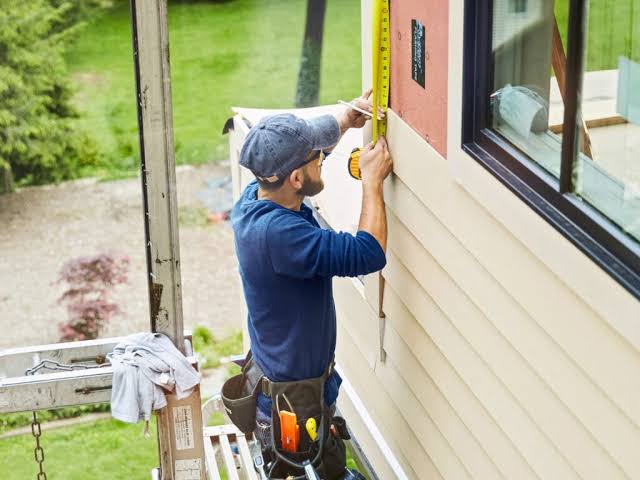
A professional siding project begins with accurate measurements and careful planning because exterior walls are rarely simple flat surfaces. Windows, doors, corners, vents, utility penetrations, rooflines, and architectural details all affect how siding should be laid out. Incorrect measurements can result in unnecessary material waste, uneven seams, inconsistent patterns, or visible gaps around openings. Careful planning allows installers to determine how panels or boards should be positioned across the walls while maintaining consistent lines and balanced proportions. Good layout is important not only for appearance but also for proper installation because siding must be installed with appropriate clearances, overlaps, and fastening points.
Installing Siding Around Windows and Doors
Windows and doors require particular attention during exterior siding work because they create openings where water could potentially enter the wall system. Proper flashing, trim, sealants where appropriate, and accurate siding cuts are essential around these areas. The siding should be positioned according to the manufacturer’s requirements while maintaining suitable clearances around frames and trim. Poorly finished openings can create both appearance and moisture-management problems, while carefully installed trim can produce a clean transition between the siding and the opening. Professionals also need to account for differences in wall movement and material expansion when completing these areas. Careful workmanship around windows and doors contributes significantly to the durability and visual quality of the finished exterior.
Protecting Roofline and Exterior Transitions
Siding frequently meets roofing components near the upper portions of exterior walls, making roofline transitions another important area of the installation. Water moving down the roof must be directed away from the wall rather than allowed to collect behind siding. Appropriate clearances, flashing, trim, and drainage details should be maintained where the two systems meet. Soffits and fascia should also be inspected because they are closely connected to the roof edge and may show signs of moisture deterioration. Addressing damaged roof-edge components during an exterior renovation can create a more complete result and reduce the possibility of having to disturb newly installed siding later to correct problems that were overlooked.
Coordinating Siding With Gutters and Downspouts
Gutters and siding work together as part of the property’s exterior water-management system. When gutters overflow, leak, or become improperly positioned, water can repeatedly reach the siding and surrounding wall areas. Over time, this can contribute to staining, discoloration, deterioration, and moisture-related problems. During a siding project, the condition and positioning of gutters should therefore be considered. Downspouts should provide clear pathways for water to move away from the structure, while gutter sections should be securely attached and appropriately aligned. Coordinating the siding with the drainage system helps prevent the new exterior from being exposed to avoidable water problems and supports better overall performance.
Addressing Hidden Moisture Damage
One of the most important advantages of replacing old siding is the opportunity to inspect areas that were previously concealed. Water can sometimes enter behind siding through damaged panels, failed flashing, roof transitions, window openings, or improperly sealed penetrations. If moisture has reached the sheathing or framing, installing new siding without correcting the damaged materials will not solve the underlying problem. Depending on the extent of deterioration, affected wood or sheathing may need to be repaired or replaced before the wall is closed again. A thorough inspection during preparation helps distinguish cosmetic siding damage from more serious moisture-related deterioration and allows necessary repairs to be completed before the new exterior is installed.
Improving Curb Appeal With New Siding
New siding can have a major effect on the appearance of a property because it covers such a large portion of the exterior. Old materials may become faded, stained, mismatched, or visibly damaged after years of weather exposure. Replacing them creates an opportunity to select new colors, profiles, textures, and trim combinations that complement the property’s architectural style. A coordinated color scheme around windows, doors, corners, rooflines, and other exterior details can create a cleaner and more balanced appearance. Professional installation further improves the result by maintaining straight courses, consistent spacing, properly aligned panels, and neat finishing details. The combination of appropriate material selection and careful workmanship can significantly improve curb appeal.
Supporting Long-Term Exterior Performance
The durability of a siding system depends on both the material and the quality of its installation. Different siding products have specific requirements for fastening, spacing, overlap, expansion, contraction, and finishing. If these requirements are ignored, the material may become loose, warped, cracked, or otherwise compromised over time. Proper fastening is particularly important because some siding materials need room for normal movement caused by temperature changes. Installers must also pay attention to corners, seams, rooflines, openings, and other areas where water and wind can place additional stress on the exterior. Following the manufacturer’s installation requirements and using appropriate techniques helps the siding perform closer to its intended service life.
How Siding Can Support Building Efficiency
While siding alone does not determine the energy efficiency of a property, a siding renovation can provide an opportunity to evaluate the overall wall assembly. When existing siding is removed, insulation conditions and areas of air leakage may become easier to identify. Damaged insulation, gaps around openings, and other deficiencies can potentially be addressed before new exterior materials are installed. Depending on the property’s construction and project scope, improvements to insulation and air sealing may complement the siding work. These improvements can contribute to better overall building performance, although actual results depend on many factors, including existing insulation, windows, doors, HVAC systems, ventilation, and construction methods.
Why Professional Installation Matters
The quality of installation has a direct effect on how well siding performs. Professional installers understand the importance of preparing the wall surface, installing appropriate weather barriers, integrating flashing, positioning fasteners correctly, maintaining proper clearances, and finishing around openings. They can also identify conditions that may not be obvious to homeowners, such as deteriorated sheathing or moisture damage behind existing materials. Professional siding installation also helps ensure that new siding works properly with roofing, gutters, soffits, fascia, windows, and doors. Because all of these components contribute to the exterior envelope, careful coordination can reduce the likelihood of premature deterioration and provide a more dependable finished system.
Maintaining Newly Installed Siding
New siding should still receive regular attention after installation. Maintenance requirements vary according to the selected material, but homeowners should periodically inspect the exterior for cracks, loose panels, gaps, staining, damaged trim, and other visible changes. Gutters should remain clear so that water does not overflow against the siding, and downspouts should direct runoff away from the structure. Cleaning should always follow the recommendations for the specific siding material because excessive pressure or inappropriate cleaning products can damage certain surfaces. After severe weather, it is also useful to inspect the exterior for loose or damaged sections. Promptly addressing small problems can help preserve the appearance and performance of the siding and prevent minor defects from becoming larger issues.
Repairing or Replacing Existing Siding
Not every siding problem requires complete replacement. If the damage is limited to a few panels or isolated sections and the surrounding material remains in good condition, professional repairs may be sufficient. However, widespread cracking, warping, severe fading, recurring moisture problems, or extensive deterioration can make full replacement a more practical option. Repeatedly repairing different portions of an aging exterior can become expensive without addressing the overall condition of the siding. A professional assessment can help property owners understand whether repairs can provide a reasonable long-term solution or whether replacing the existing material would offer greater value.
Planning a Successful Exterior Renovation
Careful planning can make a siding project more efficient and help homeowners avoid unexpected complications. Before work begins, the condition of the existing siding, wall sheathing, flashing, weather barrier, windows, doors, gutters, fascia, and soffits should be considered. Property owners should also understand the selected siding material, expected maintenance requirements, installation process, and potential preparation work. Discussing these details in advance allows the project scope to be established more clearly. It also creates an opportunity to address related exterior improvements at the same time, which can be more efficient than completing one project and later disturbing the new siding to correct an overlooked issue.
Long-Term Benefits of a Quality Siding System
A properly installed siding system can provide lasting benefits beyond an improved appearance. New siding can help protect exterior walls from direct weather exposure, reduce maintenance demands, improve curb appeal, and create a more consistent exterior finish. When installation includes proper weather barriers, flashing, drainage, and repairs to damaged underlying materials, the benefits can extend deeper into the building envelope. A well-maintained exterior can also help preserve the overall condition of the property by reducing opportunities for moisture to reach vulnerable structural components. Choosing quality materials and investing in professional workmanship can therefore provide value throughout the life of the siding system.
Conclusion
Siding is an important part of a property’s exterior because it combines visual appeal with protection against everyday environmental exposure. When existing siding becomes damaged, deteriorated, or difficult to maintain, replacement provides an opportunity to improve the appearance while addressing hidden moisture concerns and strengthening the exterior wall system. A successful project requires much more than installing new panels; it involves careful preparation, accurate measurements, weather-resistant barriers, proper flashing, suitable fastening, and attention to every transition around windows, doors, roofing, gutters, soffits, and fascia.
For property owners planning an exterior renovation, professional siding installation can provide lasting value when quality materials are combined with experienced workmanship. Proper installation helps the siding perform as intended, while regular inspections and maintenance can preserve its appearance and functionality over time. By treating siding as part of a complete exterior protection system rather than simply a decorative surface, property owners can achieve a stronger, cleaner, and more durable exterior designed to provide dependable performance for years to come.