How to Create a Relaxed Boho Wardrobe for Every Season
Table Of Contents
- What Makes a Boho Wardrobe Work
- Start With Foundation Pieces
- Choose a Flexible Color Palette
- Mix Textures Without Overdoing It
- Build Outfits for Each Season
- Use Layers for Comfort
- Add Shoes and Accessories
- Shop With Purpose
- Common Boho Wardrobe Questions
- Final Checklist
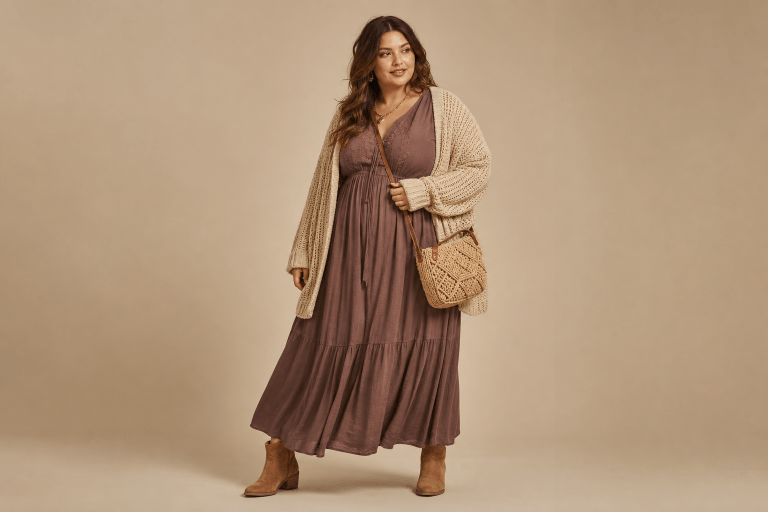
A relaxed boho wardrobe is built around comfort, movement, texture, and personal style. Rather than saving flowing dresses, embroidered tops, and easy layers for festivals, you can use them to create practical outfits for errands, travel, casual workdays, dinners, and weekend plans. Starting with a few versatile pieces of BOHO Clothing makes it easier to create a look that feels expressive without becoming difficult to wear.
The most useful version of boho style is not about following every trend. It is about choosing soft fabrics, relaxed silhouettes, and details that make you feel like yourself. When your clothing works with your climate, routine, and preferred fit, the result feels intentional and comfortable from morning through evening.
What Makes a Boho Wardrobe Work
Modern boho style combines relaxed shapes with thoughtful detail. Think wide-leg denim, tiered skirts, soft blouses, breezy dresses, textured knits, and accessories that add warmth or character. The look usually relies on a sense of ease rather than perfect matching, but it should still feel balanced.
A quick look at boho-chic history shows how the aesthetic has drawn from bohemian, hippie, folk, and vintage influences over time. For everyday dressing, there is no need to recreate a past era. Focus instead on the elements that translate well into real life: comfortable fabrics, useful layers, and a few expressive finishing touches.
Every day boho is softer and more restrained than festival dressing, which may feature bolder prints, fringe, and stacked accessories. Boho-Western outfits often bring in cowboy boots, denim, leather-look belts, and stronger earthy colors. All three can overlap, but everyday boho is usually the easiest starting point because it fits naturally into a regular wardrobe.
Start With Foundation Pieces
A small group of dependable garments creates more outfit options than a closet full of one-time purchases. Prioritize fit, comfort, and repeat wear. Choose pieces that work for sitting, walking, reaching, layering, and changing temperatures.
Suggested Foundation Categories
- One or two easy dresses in a length you will actually wear.
- A relaxed blouse, tunic, or embroidered top.
- A fitted tank, tee, or long-sleeve top for layering.
- Comfortable straight-leg, wide-leg, or flare jeans.
- A soft skirt or casual trousers, a lightweight jacket, a cardigan, or an overshirt.
- One bold, neutral shoe, such as boots, sandals, or sneakers.
Use one simple shopping rule: every new item should work with at least three pieces you already own. That standard helps you choose clothing that complements your wardrobe rather than competing with it.
Choose a Flexible Color Palette
A limited color palette makes getting dressed easier while leaving room for personality. Begin with two or three base shades, then add a few accents through tops, scarves, jewelry, or bags.
Useful Palette Ideas
- Earthy: cream, brown, olive, rust, and denim blue.
- Soft romantic: ivory, dusty rose, plum, tan, and muted green.
- Modern contrast: black, white, denim, copper, and deep red.
When your layers, bottoms, and shoes share compatible colors, outfits look cohesive even when fabrics and silhouettes vary. Repeating a color in a belt, bag, or shoe can also make a simple combination feel more polished.
Mix Textures Without Overdoing It
Texture is one of the easiest ways to make a simple outfit feel boho. Lace, crochet, embroidery, denim, linen, soft cotton, knitwear, and suede-inspired finishes can all add dimension. The key is giving each detail enough space to stand out.
A Simple Texture Formula
- Choose one main textured piece, such as an embroidered blouse or crochet cardigan.
- Add one smooth or plain layer, such as denim or a solid cotton tee.
- Repeat one small detail with an accessory or shoe, such as a woven bag or textured boot.
Too many bold textures, prints, and accessories at once can make an outfit feel busy. A plain base gives decorative details a clearer role.
Build Outfits for Each Season
Spring
Pair a light blouse with denim and ankle boots, then add a cardigan or utility jacket for cool mornings. A colorful scarf or small bag brings in a fresh accent without requiring an entirely new outfit.
Summer
Choose breathable fabrics and loose silhouettes. A flowing dress with flat sandals, casual boots, or clean sneakers is simple and adaptable. Keep a lightweight overshirt nearby when you want extra sun coverage or need a layer indoors.
Autumn
Layer knitwear over dresses, skirts, or relaxed trousers. Denim, olive, brown, and rust create seasonal depth, while boots and a structured belt add definition to softer silhouettes.
Winter
Start with a fitted base layer, then add a warm sweater, long coat, or lined jacket. Tall boots, thicker tights, scarves, and textured accessories keep the outfit practical without losing its relaxed character.
Use Layers for Comfort
Layers make boho outfits more functional by helping you adjust to outdoor weather, indoor heating, travel days, and changes in activity. Start with a close-fitting base, add a blouse, dress, or tunic with movement, and finish with a practical outer layer. Keep the heaviest piece on top so the outfit does not feel bulky.
Choose layers that give your waist, arms, hips, and bust enough room to move. A good fit should not pull across closures, strain at seams, or make you avoid raising your arms. If a flowy piece feels too oversized, balance it with a neater bottom or a belt worn comfortably at the natural waist.
Add Shoes and Accessories
Accessories can change the mood of the same base outfit. A simple dress feels casual with sneakers, grounded with boots, and more polished with a low heel. Useful options include braided belts, crossbody bags, soft shoulder bags, layered necklaces, statement earrings, light scarves, wraps, and weather-appropriate hats.
Keep the overall outfit in balance. If you are wearing dramatic sleeves, a vivid print, or a heavily textured cardigan, smaller accessories often create the cleanest finish.
Shop With Purpose
- Review your wardrobe. Notice what you reach for most often.
- Identify real gaps. Look for missing layers, practical shoes, or versatile bottoms.
- Check fabric and care needs. Beautiful clothing is less useful if it is difficult to maintain.
- Test outfit potential. Picture at least three complete looks before buying.
- Consider your calendar. Choose pieces that suit work, weekends, travel, and social plans.
Common Boho Wardrobe Questions
Can Boho Style Look Polished?
Yes. Clean fit, a coordinated palette, and structured accessories can make relaxed pieces feel refined.
How Can You Wear Boho Style Without Looking Overdressed?
Use one standout detail at a time, such as a flowing skirt, textured top, or decorative jacket, and keep the remaining pieces simple.
What Works Best for a Casual Workplace?
Soft blouses, dark denim, midi skirts, low-profile shoes, and restrained accessories can work well when they fit the workplace dress code.
How Can Boho Outfits Work for Different Body Shapes?
Focus on movement and proportion. Pair a loose top with a neater bottom, or add a defined layer over a flowing dress for more shape.
Final Checklist
- Does every item feel comfortable when sitting, walking, and reaching?
- Can each piece work with at least three other garments?
- Are there enough layers for local weather?
- Do the shoes suit the length and shape of the outfits?
- Are the colors easy to combine?
- Does the wardrobe reflect real daily activities?
A comfortable boho wardrobe does not need to be large or complicated. Choose easy silhouettes, flexible colors, useful layers, and a few details that make each outfit feel personal. The result is a wardrobe that stays relaxed, expressive, and ready for everyday life.