A Long Weekend in Guadalajara: Birria, Birote, and Agave Spirits
Guadalajara rewards travelers who arrive hungry and stay curious. Jalisco’s capital has grand public buildings, crowded markets, neighborhood restaurants, and a strong regional identity. Three days can reveal how the city’s history, cooking, and agave traditions developed together.
The best short itinerary follows the city’s rhythm. Historic Guadalajara belongs to the morning. Birria, tortas ahogadas, and carne en su jugo belong to breakfast and lunch because many specialists close early. Mezcal makes sense at night, served slowly by people who know each bottle’s origin. The final day should explore either Tlaquepaque or Tequila.
Day One: Reading Guadalajara Through Stone and Chile
Guadalajara’s story starts with several failed beginnings. Spanish settlers founded settlements bearing the Guadalajara name at Nochistlán, Tonalá, and Tlacotán before establishing the present city in the Atemajac Valley on February 14, 1542. The official founding story often emphasizes Spanish persistence, but the wider history includes fierce Indigenous resistance, especially during the Mixtón War. That tension matters because Guadalajara did not emerge from an empty valley. It grew through conflict, religious authority, trade, migration, and the labor of communities already living in western Mexico.
The Plaza de Armas provides a useful starting point for a first morning. Guadalajara Cathedral rises just north of the square, while the Palacio de Gobierno stands on its eastern edge. The plaza’s French-made iron bandstand seems decorative at first, yet it also reflects the European tastes adopted by Mexican elites during the long rule of Porfirio Díaz. A single block therefore introduces several layers of the city: Catholic power, state authority, nineteenth-century urban fashion, and the everyday use of public space.
Guadalajara Cathedral carries visible evidence of the city’s unstable ground and changing tastes. Construction began in the sixteenth century, but earthquakes repeatedly damaged the building and its towers. The current pointed towers date from the nineteenth century and give the cathedral a neo-Gothic profile unlike the older body below them. Visitors do not need an architecture degree to notice that the parts do not perfectly match. The mismatch tells a more interesting story than a flawless monument would: Guadalajara rebuilt its symbols instead of preserving them unchanged.
The four plazas around the cathedral make the center easy to explore on foot. Plaza Guadalajara faces the main entrance, Plaza de Armas sits south, Plaza de la Liberación opens behind the cathedral, and the Rotonda de los Jaliscienses Ilustres honors notable people from Jalisco. Together, they form the Cross of Plazas.
The Palacio de Gobierno deserves more than a quick look at its courtyard. Inside, José Clemente Orozco painted Miguel Hidalgo holding a burning torch above a mass of bodies and weapons. The mural rejects the calm dignity common in official portraits. Hidalgo appears forceful and severe, while the figures below him suggest that liberation carries violence, division, and human cost. Orozco’s version of history prepares visitors for the larger mural cycle at Museo Cabañas on the second day.
Teatro Degollado adds another political chapter nearby. The nineteenth-century neoclassical theater has a columned facade, red seating, gilded ornament, and a ceiling mural inspired by Dante’s Divine Comedy. Access can depend on rehearsals, so treat an interior visit as a bonus.
The first meal should introduce Guadalajara’s most uncompromising sandwich. A torta ahogada uses birote salado, a dense, crusty local bread strong enough to survive a bath of tomato sauce. The cook fills it with carnitas, adds beans in some versions, and covers it with a mild tomato mixture. A separate chile de árbol sauce supplies the real heat. The bread softens but should not dissolve, leaving a chewy center beneath the sauce.
Tortas Ahogadas José El de la Bicicleta and Tortas Toño are two established names recommended by Jalisco’s tourism authorities. Ordering language matters at either place. A fully drowned sandwich may arrive much hotter than a newcomer expects, so ask for the spicy sauce on the side or request a milder version. Eat with a spoon nearby, keep napkins within reach, and accept that the meal will not stay neat.
The sandwich shows why local food should not be reduced to a national checklist. Birote reflects local production methods and civic pride. Carnitas provide richness, tomato sauce adds moisture, and sharp chile cuts through the fat.
An afternoon walk west along Avenida Juárez changes the mood. The commercial center leads toward the University of Guadalajara’s MUSA art museum, the Templo Expiatorio, and Colonia Americana. Visitors with limited time can stop at the Templo Expiatorio for its neo-Gothic stonework and then continue into streets lined with converted houses, bookstores, coffee shops, and bars. Staying in this area works well for travelers who prefer evening activity, while a hotel in Centro Histórico offers easier morning access to the major monuments.
Dinner should remain light after a torta ahogada. Small tacos, seafood tostadas, or a neighborhood lonche leave room for the heavier dishes coming the next day. Guadalajara’s modern dining rooms often occupy older homes, where courtyards and tile floors sit beside contemporary restaurant furniture. That contrast fits a city that regularly adapts old spaces to current tastes without erasing every trace of their former use.
Day Two Morning: A Market, a Hospice, and the Food of Jalisco
Mercado Libertad, better known as Mercado San Juan de Dios, shows Guadalajara at working speed. The vast indoor market stands east of the historic core, close to Museo Cabañas. Its floors contain prepared-food counters, produce, candy, leather goods, clothing, household items, electronics, and souvenirs. Visitors who enter only to buy a trinket miss the most revealing detail: residents still use the building for ordinary errands and meals.
Breakfast at the market should follow observation rather than a viral recommendation. Look for a counter with steady local traffic, a short menu, clean work surfaces, and food moving quickly from pot or griddle to plate. Ask what is ready now instead of insisting on a dish that has been sitting. Fresh juice, chilaquiles, tacos de barbacoa, or a bowl of broth can start the day without consuming the time needed for the museum.
Market etiquette matters. Ask before photographing vendors, keep bags close, and carry cash for small purchases. Note the entrance used because the building can feel confusing.
Museo Cabañas stands just beyond Plaza Tapatía and provides the cultural center of the trip. Bishop Juan Cruz Ruiz de Cabañas commissioned the complex in the early nineteenth century as a home for orphans, older people, and others needing care. Architect Manuel Tolsá designed a largely neoclassical building organized around numerous courtyards. Its low profile, long corridors, and disciplined symmetry differ sharply from the crowded streets outside.
The building’s social purpose carried a paternalistic side. It offered shelter and education but also imposed rules on vulnerable residents. Wars changed its use, and troops occupied it before the complex became a cultural institution.
Orozco transformed the chapel between 1937 and 1939 with a cycle of murals that refuses an easy patriotic message. Conquest, machinery, religion, leadership, and violence collide across the walls and dome. Spanish armor looks mechanical and threatening. Crowds bend beneath institutions. Fire destroys, but it can also signal change. The paintings reward slow attention because figures shift in scale and meaning as the viewer moves through the chapel.
El Hombre de Fuego dominates the dome. A human figure rises through flames while surrounding bodies seem to rotate below. The work has produced many interpretations, including renewal, destruction, sacrifice, and the emergence of a new human order. Visitors do not need to choose one explanation. The physical act of looking upward while walking around the chapel reveals how Orozco used architecture to prevent a single stable viewpoint.
The museum currently opens Tuesday through Sunday. Check its official site for changing hours, prices, and exhibition access. Two hours cover the courtyards, chapel murals, and selected galleries.
Lunch belongs to Birriería Las 9 Esquinas on Avenida Cristóbal Colón. Birria originated in Jalisco and traditionally uses goat, though beef versions have become common. The meat cooks slowly with dried chiles, spices, and aromatics until tender. It may arrive in broth or with consommé on the side, accompanied by tortillas, onion, lime, and salsa. The diner builds each bite instead of receiving one fixed combination.
Birria’s international popularity has produced cheese-filled quesabirria tacos across North America, but Guadalajara’s older presentation deserves attention. Tender meat and seasoned broth show the dish without turning its red consommé into a dipping prop.
Carne en su jugo offers a strong alternative for travelers who do not eat goat or want another regional specialty. Karne Garibaldi, particularly its Santa Tere location, is closely associated with the dish. Small pieces of beef cook in their own juices with beans and bacon, then receive chopped onion, cilantro, and lime at the table. Warm tortillas turn the bowl into a sequence of small tacos. The famous rapid service is entertaining, but the food matters more than the stopwatch story often attached to the restaurant.
Jericalla provides a fitting finish. Guadalajara’s custard dessert combines milk, eggs, sugar, vanilla, and cinnamon, with a browned or lightly burned surface. It resembles flan and crème brûlée without matching either one exactly. The texture can vary from silky to slightly firm, and the scorched top introduces a mild bitterness that controls the sweetness.
Day Two Night: Mezcal Without the Smoke-and-Salt Routine
Mezcal deserves its own evening because rushed tasting encourages bad habits. The word refers to a broad family of Mexican spirits distilled from agave, although legal definitions govern which producers and regions may sell bottles under that name. Tequila belongs to the wider agave-spirit family but follows its own denomination rules and uses blue Weber agave. Raicilla, a Jalisco specialty, has another protected identity and a range of regional methods.
The common claim that all mezcal tastes smoky creates false expectations. Some producers roast agave hearts in underground pits, which can contribute smoke, but agave species, maturity, roasting time, fermentation vessel, local microbes, still type, water, and the distiller’s decisions all shape the final drink. A well-made pour may suggest fruit, herbs, earth, minerals, flowers, or fermentation before obvious smoke appears.
Pare de Sufrir… Tome Mezcal offers a focused place to learn. The Colonia Americana bar is connected with Pedro Jiménez and Mezonte, a project that promotes traditional agave spirits and the people who make them. The room becomes lively later at night, often with loud music and dancing, so travelers who want detailed conversation should arrive near opening rather than at peak party time. Its schedule has traditionally concentrated on Thursday through Sunday, making a current check essential.
The first order should be a conversation, not a brand name. Tell the server what flavors you normally like and ask for a small-production spirit with a clear producer and place of origin. Request one pour at a time. Smell gently with the glass below the nose, take a tiny sip, and let the alcohol settle before trying more. Water between pours protects the palate and slows the evening.
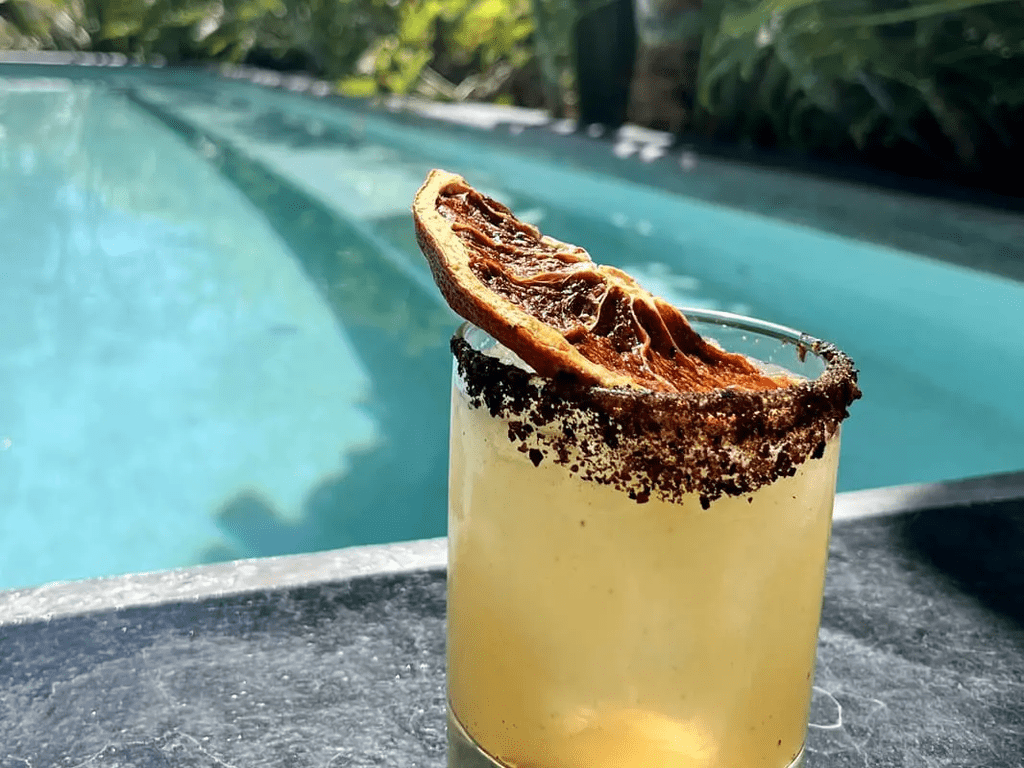
Orange slices and worm salt appear frequently with mezcal, but they are accompaniments rather than rules. A thoughtful tasting does not require a theatrical lick, shot, and bite. Strong flavors can hide the details in a carefully made spirit. The same restraint applies to cocktails: a mixed drink can be excellent, but it will not teach as much about an unfamiliar agave as a neat pour tasted slowly.
Mezonte’s approach raises questions a glossy bottle cannot answer. Agave takes years to mature, and rising demand can pressure wild populations. Asking who made a spirit, which agave they used, and where they worked redirects attention to agricultural and human labor.
El Gallo Altanero provides another useful stop for travelers interested in independently produced tequila and cocktails. The bar has earned attention for showcasing agave spirits beyond the mass-market labels that dominate many back bars. Visiting both places in one night is possible, but sampling less at each one produces a better evening than collecting as many pours as possible.
Alcalde works for a reserved dinner before drinks. Chef Francisco Ruano’s restaurant presents contemporary Mexican cooking grounded in seasonal ingredients and western Mexican references. It costs considerably more than a market breakfast or torta stand, so it should be treated as an optional contrast, not as the only serious expression of local food. Guadalajara’s cooking culture lives at many price levels.
Transportation should be settled before the first pour. Use a registered taxi or ride-hailing service and verify the vehicle details. Stay on active streets, secure the phone, and never leave a drink unattended. Mezcal often reaches 40 percent alcohol or more, so small glasses accumulate quickly.
Day Three: Choose Craft or Agave Country
The final day should not attempt both Tlaquepaque and Tequila. Tlaquepaque sits within the Guadalajara metropolitan area and suits travelers who want art, shopping, food, and an unhurried return to the city. Tequila requires more transportation and centers the day on agave agriculture and distilling. Either choice completes the trip; combining them reduces both places to rushed photographs.
San Pedro Tlaquepaque grew as a center for pottery and other crafts long before its main pedestrian streets filled with galleries and visitors. Andador Independencia provides the obvious route through the center, passing restored houses, shops, courtyards, and public art. The polished presentation can feel commercial, but working relationships with ceramics, blown glass, metal, leather, and wood remain part of the town’s identity.
The Museo Regional de la Cerámica gives context before shopping. Displays explain regional methods and help buyers distinguish handmade work from standardized souvenirs. Ask where a piece was made, whether it is food-safe, and how it should be packed.
El Parián occupies a central block lined with restaurants and bars around a performance area. Mariachi groups often circulate nearby, and visitors can request songs for a negotiated price. The setting is festive but visitor-oriented, so confirm costs before ordering music or drinks. Travelers seeking a quieter meal can walk away from the main square and compare menus on surrounding streets.
Casa Luna offers a well-known sit-down lunch in an ornate setting. Weekend waits are possible, while nearby restaurants may cost less. The day reveals how craft, commerce, music, and food share the same streets.
Tequila makes a stronger choice for travelers whose interest in agave goes beyond the previous night’s tasting. The town lies roughly 40 miles northwest of Guadalajara, amid blue-agave fields and old production sites recognized by UNESCO. The designation covers a broad agricultural and industrial area rather than a gated attraction. Farms, distilleries, settlements, and archaeological remains together document a long relationship between people and agave.
The region’s history predates commercial tequila. Indigenous communities used agave for food, fermented drinks, fiber, tools, and building materials long before Spanish distillation methods arrived. Colonial production combined local plant knowledge with introduced equipment. Rail connections and growing national markets later helped tequila move beyond Jalisco, while regulation eventually defined where and how the protected spirit could be produced.
A responsible distillery tour should explain harvesting, cooking, crushing, fermentation, distillation, and maturation. Choose one that identifies its facility and transportation clearly. Large brands offer organized programs, while smaller distilleries may provide closer contact with production; size alone proves little.
The Museo Nacional del Tequila adds historical context if time allows. The center also contains the Parroquia Santiago Apóstol, restaurants, and many tasting rooms. Accepting every free sample makes quality harder to judge and the return trip less pleasant.
Train excursions such as José Cuervo Express can simplify transportation, although schedules, packages, and departure arrangements require advance planning. An organized road tour offers another option. Independent visitors should appoint a driver who does not drink or arrange a car service for the entire day. The route may seem short on a map, but traffic and tastings make casual driving a poor plan.
The contrast between tequila and mezcal becomes clearer after visiting both Guadalajara’s bars and Tequila’s production zone. Tequila must use blue Weber agave and follow rules tied to approved Mexican regions, with Jalisco at the center. Mezcal may use numerous agave species within its own authorized regions and often reaches drinkers through smaller batches. Production methods vary widely within both categories, so “industrial tequila” and “artisanal mezcal” should not become lazy synonyms for bad and good.
Leaving With a Clearer Taste of the City
A short Guadalajara vacation works best when each day has one geographic center. Day one belongs to the cathedral, plazas, government murals, theater, and a torta ahogada. Day two moves east through Mercado San Juan de Dios and Museo Cabañas before turning west for mezcal in Colonia Americana. Day three leaves central Guadalajara for either Tlaquepaque’s workshops or Tequila’s agave country.
Practical timing protects this structure. Museo Cabañas currently operates Tuesday through Sunday, so build the historic days around its schedule. Birria and torta specialists often serve from morning through early afternoon and may sell out. Pare de Sufrir opens on limited days and late hours. Restaurant reservations become more important on Friday and Saturday, especially at Alcalde and other destination dining rooms.
Weather and distance shape the visit. Guadalajara’s elevation can make sunny afternoons intense. Carry water, use sunscreen, and wear shoes suited to stone sidewalks. Ride-hailing saves time between neighborhoods, but walks through the compact historic core.
Food safety calls for judgment rather than fear. Choose busy stalls where ingredients turn over quickly, wash or sanitize hands before eating, and drink purified water. Spicy sauce can cause more immediate trouble than unfamiliar ingredients, so taste chile de árbol cautiously. Travelers with allergies should carry a Spanish explanation because broths, sauces, and marinades may contain ingredients that are not visible.
Guadalajara stands apart. Its appeal comes from regional confidence: birria served as a morning meal, bread designed to be drowned, Orozco murals that challenge heroic history, and agave spirits discussed through producers rather than slogans. Three days provide enough time to recognize those connections and leave with specific memories instead of a blurred list of attractions.