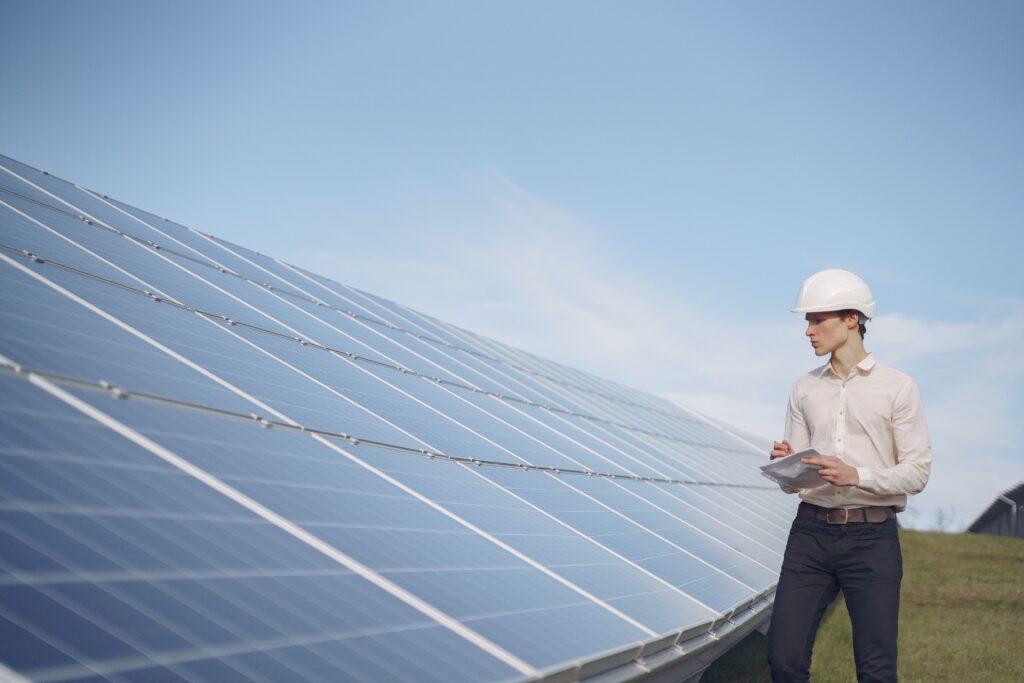
How Solar Energy is Revolutionizing the Way We Power Our Lives
For decades, the way we generated and consumed electricity remained largely unchanged. Large, centralized power plants burned fossil fuels to send power across vast networks to homes and businesses. Today, that model is undergoing a profound transformation, and at the heart of this change is solar energy. By harnessing the power of the sun, we are fundamentally altering our relationship with electricity, creating a more sustainable, resilient, and democratized energy landscape.
Solar technology is not just an alternative; it is a revolutionary force. It is shifting power from utility companies to individual consumers, stimulating economic growth, and providing a critical tool in the effort to protect our environment. This article explores the ways solar energy is revolutionizing how we power our daily lives.
Empowering Individuals with Energy Independence
One of the most significant impacts of solar power is its ability to decentralize energy production. Historically, consumers were passive recipients of electricity from a utility. With rooftop solar panels, homeowners and business owners become active participants in the energy system, generating their own clean power.
This shift creates a powerful sense of energy independence. Instead of being subject to fluctuating utility rates and unpredictable price hikes, solar owners can achieve stable and predictable energy costs for decades. In many cases, a properly sized solar array can produce enough electricity to cover a property’s entire energy needs. This autonomy is especially valuable in regions with abundant sunshine, where the potential for solar energy in Utah and similar states is exceptionally high, allowing residents to take control of their power bills.
Boosting Economic Growth and Job Creation
The transition to solar energy is a major economic driver. The solar industry has created hundreds of thousands of jobs in manufacturing, installation, sales, and maintenance. As the technology becomes more affordable and demand increases, this job growth is expected to continue, providing stable employment in communities across the country.
Beyond direct employment, solar energy stimulates local economies. When homeowners save money on their electricity bills, they have more disposable income to spend on other goods and services. Businesses that install solar panels can lower their operating costs, making them more competitive and freeing up capital for expansion, hiring, and innovation. This ripple effect contributes to a more robust and dynamic economy.
Protecting the Environment for Future Generations
The environmental benefits of solar energy are undeniable. Traditional electricity generation from fossil fuels is a leading source of greenhouse gas emissions, which contribute to climate change and air pollution. Solar panels, in contrast, produce electricity with zero emissions.
Every home or business that switches to solar power helps reduce our collective reliance on fossil fuels. This widespread adoption leads to cleaner air and water, mitigating public health issues linked to pollution. By embracing solar, we are taking a crucial step toward building a sustainable future and preserving the planet for generations to come. It is a practical and effective way to combat climate change on a global scale.
Enhancing Grid Resilience and Stability
A centralized power grid is vulnerable to disruptions, from extreme weather events to equipment failure. A single point of failure can lead to widespread blackouts that affect millions of people. Solar energy, particularly when paired with battery storage, enhances the resilience of the entire energy system.
Distributed solar installations create a network of smaller power sources, reducing the strain on the central grid. During a grid outage, homes and businesses with solar-plus-storage systems can continue to operate, providing essential power for lights, refrigeration, and communication. This distributed model creates a more flexible and reliable grid that is better equipped to handle the challenges of the 21st century.
A Brighter, Cleaner Future
Solar energy is more than just a new way to generate electricity; it represents a fundamental change in how we think about and use power. It empowers individuals, strengthens economies, protects our environment, and builds a more resilient infrastructure. As technology continues to advance and costs continue to fall, the solar revolution will only accelerate, paving the way for a brighter, cleaner, and more sustainable world.