Are Ergonomic Office Chairs with Footrests Worth It?
If you’ve been shopping for a new office chair lately, you’ve probably noticed that more models now come with built-in footrests. It’s easy to assume that a footrest automatically makes a chair more ergonomic—but that’s one of the biggest misconceptions people have.
The truth is, a footrest can improve comfort in certain situations, but it isn’t what determines whether a chair truly supports healthy posture. Before investing in one, it’s worth understanding what actually makes an ergonomic chair effective and whether a footrest fits the way you work.
A Footrest Isn’t What Makes a Chair Ergonomic
Many buyers focus on the footrest because it’s an obvious feature, but ergonomics is about how well a chair supports your body throughout the workday.
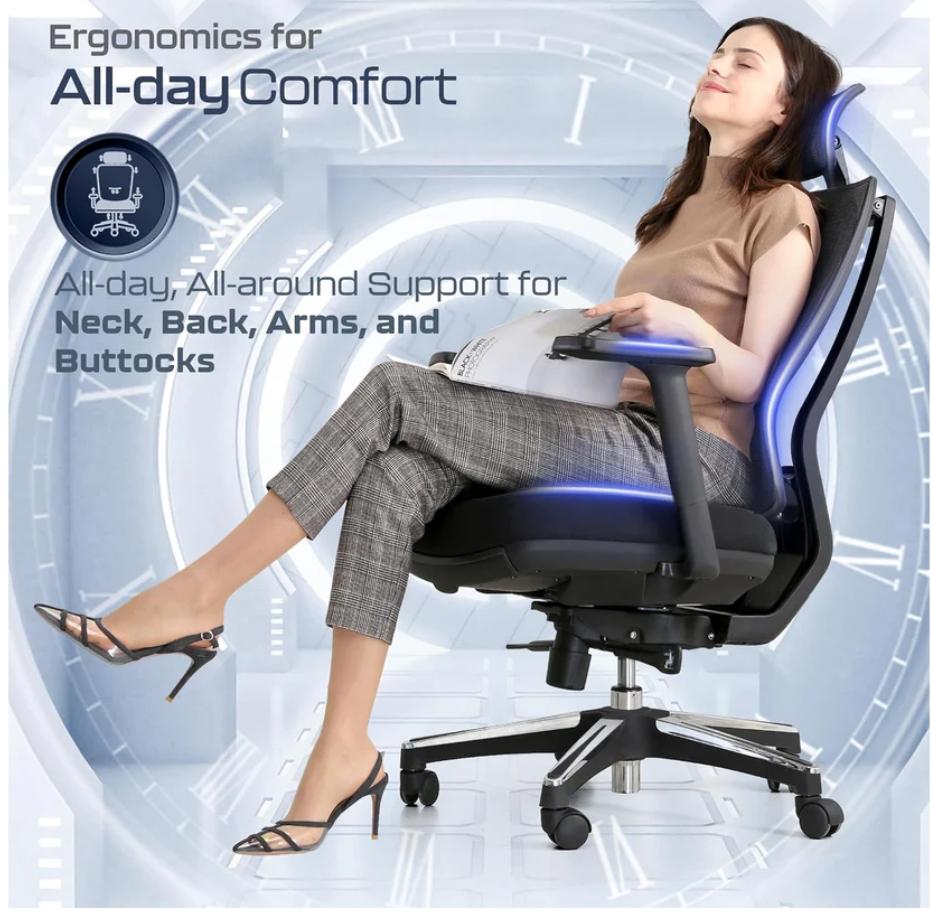
A quality ergonomic chair should provide adjustable lumbar support, seat height, recline tension, armrests, and a backrest that encourages a neutral spine. These features help reduce pressure on the lower back, shoulders, and hips during long hours of sitting.
A footrest is simply an additional comfort feature. Without proper support elsewhere, it won’t solve posture problems or eliminate back pain.
When a Footrest Actually Helps
A built-in footrest can be useful in specific situations.
For people who work from home, spend extended periods reading documents, or frequently recline between meetings, extending the legs may help reduce pressure on the knees and improve overall comfort.
Some users also find a footrest beneficial during breaks, allowing them to shift positions instead of remaining in one posture all day. Since movement is a key part of workplace ergonomics, changing positions regularly is often more important than sitting perfectly still.
However, a footrest should complement good sitting habits—not replace them.
The Biggest Mistakes People Make
One common mistake is treating the footrest as an all-day seating position.
Keeping your legs elevated while actively typing can reduce stability and make it harder to maintain proper desk height. Ideally, your feet should remain flat on the floor while working, with your elbows and knees close to 90 degrees.
Another mistake is overlooking adjustability. Some buyers purchase chairs with fixed footrests but limited lumbar support or non-adjustable armrests. In reality, these core ergonomic features have a much greater impact on long-term comfort than the footrest itself.
Why Breathable Materials Matter Too
Comfort isn’t only about posture—it also depends on temperature and airflow.
This is one reason mesh office chairs continue to grow in popularity across American home offices. A breathable mesh back helps improve ventilation, especially for people working long hours or living in warmer climates.
Combined with adjustable lumbar support and a flexible reclining mechanism, mesh designs often provide a better balance of support and comfort than heavily padded chairs that retain heat.
Choosing the Right Chair for Your Work Style
Instead of asking whether you need a footrest, ask how you spend most of your workday.
If you’re constantly typing, attending video meetings, and switching between tasks, prioritize adjustability first. Look for seat depth adjustment, responsive lumbar support, a synchronized recline, and armrests that move with your body.
If you also enjoy reclining during breaks or reading on your computer, a retractable footrest can be a valuable bonus.
Many modern ergo chairs are designed with this flexibility in mind, offering both ergonomic support for focused work and added comfort for relaxation without compromising posture.
For example, some OdinLake ergonomic chair models combine breathable mesh construction, adjustable lumbar support, multi-angle reclining, and an integrated footrest, making them suitable for professionals who alternate between intensive desk work and short recovery breaks throughout the day.
So, Are They Worth It?
The answer depends on your expectations.
A footrest won’t magically fix poor posture, nor is it the defining feature of an ergonomic chair. What matters most is whether the chair supports your spine, encourages healthy sitting positions, and allows you to adjust it to fit your body.
If those essentials are already in place, a footrest can become a worthwhile addition that improves comfort and encourages you to change positions throughout the day. Rather than choosing a chair because it includes a footrest, look for one that delivers complete ergonomic support first—and treat the footrest as an extra benefit rather than the main reason to buy.