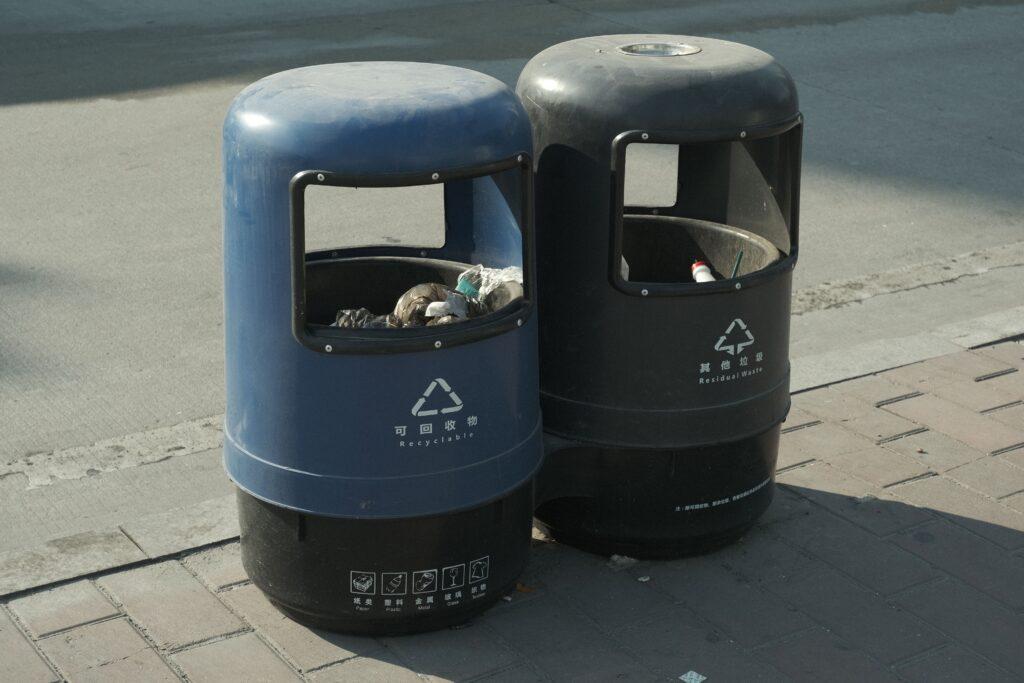
Urban vs. Rural Waste: A Tale of Two Trash Cans
Waste generation varies significantly between urban and rural areas due to differences in lifestyles. Cities and the countryside produce distinct types of trash, reflecting their unique environments. Understanding these trends is essential for creating effective and sustainable waste management strategies.
Urban Waste: The Byproduct of Density
Cities are centers of commerce, culture, and population. This concentration of people and activity leads to a high volume of waste generation. Urban areas are characterized by consumption-driven economies, where convenience often dictates purchasing habits. This results in a waste stream dominated by packaging, single-use items, and electronic waste.
Key Factors in Urban Waste Generation
- Population Density: More people living in a smaller area naturally leads to a higher concentration of waste. The sheer volume can strain municipal collection systems and disposal facilities.
- Consumption Patterns: Urban lifestyles often involve more dining out, online shopping, and reliance on pre-packaged foods. This generates significant amounts of plastic, cardboard, and food packaging waste. The rapid pace of life encourages the use of disposable products, from coffee cups to plastic bags.
- Commercial and Industrial Activity: Cities are economic hubs, home to countless offices, retail stores, restaurants, and manufacturing plants. These establishments produce large quantities of commercial waste, including paper, cardboard, plastics, and, in some cases, hazardous materials.
- Waste Management Infrastructure: While cities often have more advanced waste management systems, such as regular curbside collection and recycling facilities, these systems can be overwhelmed. The cost of managing such a large and complex waste stream is substantial, and ensuring high recycling rates remains a constant challenge.
The primary types of waste found in urban areas include plastics, paper, cardboard, glass, and a significant amount of food waste from both households and commercial establishments. Another growing concern is e-waste, as urban populations tend to adopt new technologies more quickly, leading to a faster turnover of electronic devices.
Rural Waste: A Different Kind of Challenge
Rural areas, with their lower population densities and economies often tied to agriculture, produce a different profile of waste. While the overall volume per capita might be lower than in cities, rural communities face unique obstacles in managing what they do generate.
Key Factors in Rural Waste Generation
- Agricultural Waste: A significant portion of rural waste comes from farming activities. This includes crop residues, animal manure, pesticide containers, and old farm equipment. While some of this organic waste can be repurposed as fertilizer, managing it on a large scale can be difficult.
- Lower Population Density: With fewer people spread over a larger area, establishing cost-effective and efficient waste collection services is a major hurdle. Residents may have to transport their own trash to distant transfer stations or landfills, which can lead to improper disposal methods like open burning or illegal dumping.
- Limited Access to Services: Many rural communities lack access to comprehensive recycling programs. The economic feasibility of collecting, sorting, and transporting recyclables to processing centers is often low due to the great distances involved. This results in a higher percentage of recyclable materials ending up in landfills.
- Household Waste Composition: Rural household waste often contains a higher proportion of organic material from home gardening and food preparation. However, it may also include items that are difficult to dispose of, such as old tires, construction debris, and hazardous materials like motor oil and batteries, due to limited disposal options.
A Side-by-Side Comparison
When we place urban and rural waste trends next to each other, the contrasts become clear.
| Feature | Urban Areas | Rural Areas |
| Primary Waste Type | Packaging, plastics, paper, food waste, e-waste | Agricultural waste, organic materials, construction debris |
| Waste Volume | High per capita and in total | Lower per capita, but can be high in specific sectors (e.g., agriculture) |
| Key Drivers | High population density, consumerism, commercial activity | Agriculture, dispersed population, limited infrastructure |
| Management Challenges | Strained infrastructure, high collection costs, contamination of recyclables | Lack of collection services, distance to facilities, limited recycling options |
The core difference lies in the source and composition of the waste. Urban waste is a product of a dense, fast-paced, consumer-driven society. Rural waste is more closely tied to the land and the logistical challenges of living far from centralized services.
Pathways to Better Waste Management
Improving waste management requires tailored strategies that address the specific needs of urban and rural communities. A one-size-fits-all approach is unlikely to succeed.
Strategies for Urban Areas
- Enhancing Recycling Programs: Cities can invest in better sorting technologies and public education campaigns to reduce contamination in recycling bins and increase participation rates.
- Promoting a Circular Economy: Encouraging businesses to adopt sustainable packaging and supporting repair and reuse initiatives can significantly reduce the amount of waste generated.
- Expanding Organics Collection: Implementing city-wide composting programs for food scraps can divert a huge portion of waste from landfills and create valuable compost for parks and gardens.
- Producer Responsibility: Holding manufacturers responsible for the end-of-life management of their products, especially electronics and packaging, can drive better design and reduce waste.
Strategies for Rural Areas
- Decentralized Solutions: Establishing smaller, regional transfer stations and recycling depots can make it more convenient for residents to dispose of their waste and recyclables properly.
- Supporting Agricultural Waste Management: Providing resources and incentives for farmers to compost organic waste, recycle plastic films, and safely dispose of hazardous materials is crucial.
- Community-Based Initiatives: Fostering local recycling drives, community composting projects, and public awareness campaigns can build a culture of responsible waste management.
- Public-Private Partnerships: Collaborating with private waste management companies can help bridge the service gap and bring more efficient collection and recycling options to rural communities. For complex challenges, specialized environmental consulting services can offer expert guidance.
Conclusion
The differences in waste generation between urban and rural areas highlight the diverse challenges we face in creating a sustainable future. Cities must grapple with the sheer volume and complexity of a consumer-driven waste stream, while rural areas struggle with logistical barriers and a lack of infrastructure.