
7 Top Tips for Personal Well-being
7 Top Tips for Personal Well-being
Personal Well-Being Tips That Make a Real Difference
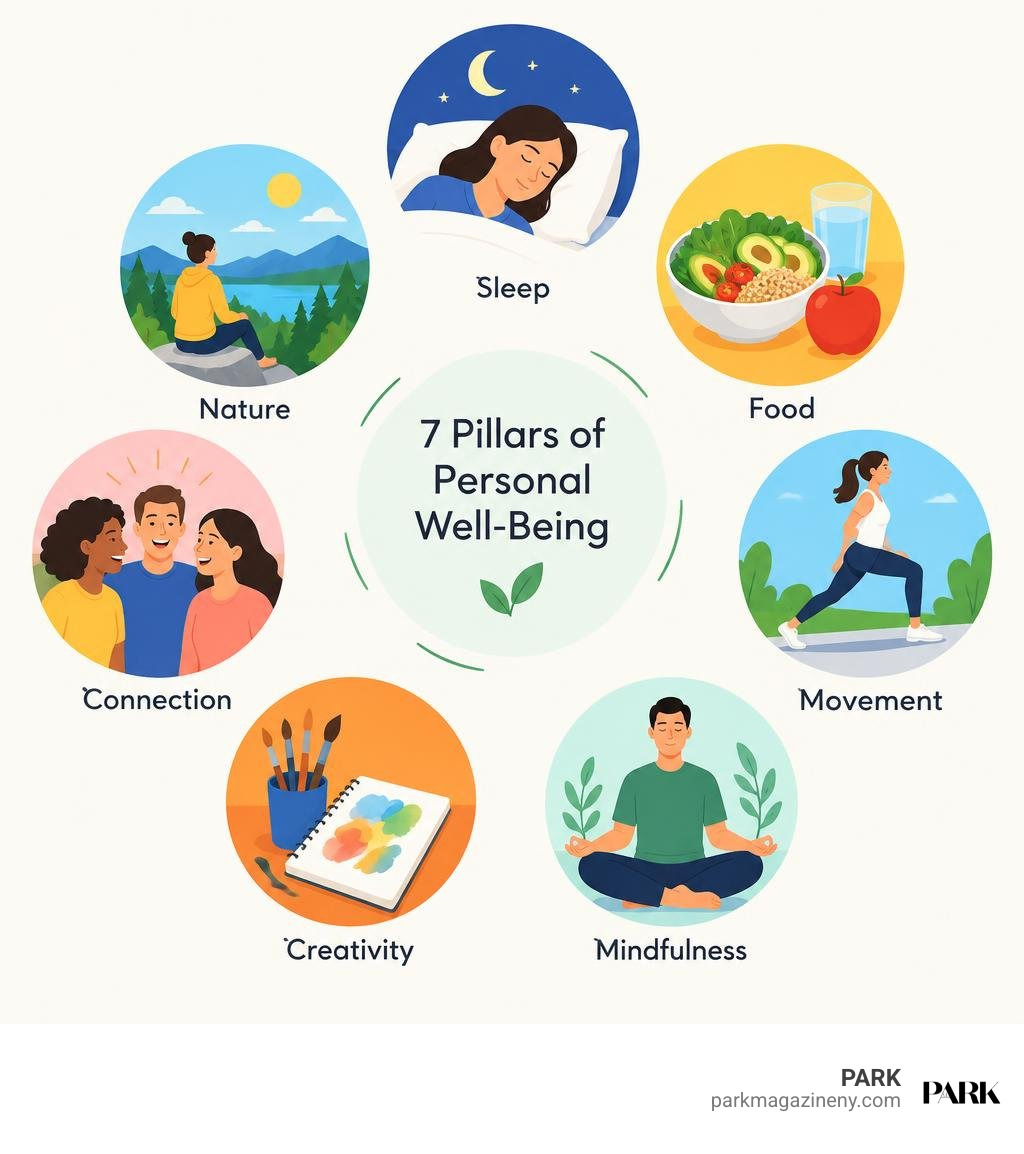
The most useful personal well-being tips are simple enough to repeat: protect your sleep, eat and drink regularly, move your body, manage stress, stay connected, make room for creativity, and spend time outdoors. Start with one small action you can do today, such as a 30-minute walk, a screen-free wind-down routine, or a five-minute call with someone you trust.
Well-being is not constant happiness or an expensive wellness regimen. It is the ability to care for your physical, mental, emotional, and social health in ways that fit real life. Small actions add up, especially when they become routine. Research suggests habit formation takes about 66 days on average, so consistency matters more than a perfect start.
The seven tips ahead offer a practical framework for feeling more steady, energized, and resilient – without turning self-care into another demanding task.
I am W.A. Muller, and I will help you build a well-being routine that feels refined, realistic, and sustainable.
Important personal well-being tips terms:
Understanding Well-Being: Mental Health vs. Mental Wellbeing
Many people use “mental health” and “mental wellbeing” interchangeably, but distinguishing between the two allows us to practice self-care with greater clarity and intention.
Mental health refers to our cognitive, behavioral, and emotional functioning, encompassing diagnosed clinical conditions such as generalized anxiety disorder, major depression, and bipolar disorder. In contrast, mental wellbeing reflects a dynamic, subjective state: how we feel, how effectively we cope with day-to-day stress, our sense of purpose, and how meaningfully we engage with the world around us.
Crucially, mental wellbeing exists on a spectrum independent of a diagnosis. A person navigating a diagnosed mental health condition can still experience high levels of mental wellbeing through supportive routines, meaningful community, and strong self-regulation. Conversely, someone free of clinical illness can experience poor mental wellbeing due to chronic burnout, isolation, or unmanaged emotional fatigue.
| Dimension | Mental Health | Mental Wellbeing |
|---|---|---|
| Core Focus | Cognitive, psychological, and physiological functioning; clinical status | Subjective experience of fulfillment, resilience, and emotional balance |
| Primary Scope | Diagnoses, biological brain chemistry, professional therapeutic treatment | Daily coping skills, mindset, lifestyle habits, and self-care practices |
| Evaluation Method | Clinical diagnostic criteria and structured medical assessments | Personal reflection, satisfaction with life, and daily functional vitality |
| Influence of Lifestyle | Supports clinical management and symptom reduction | Directly builds daily resilience, emotional regulation, and joy |
Adopting proactive self-care honors both dimensions. According to the World Health Organization, roughly 4.6 billion people worldwide are not covered by essential health services, illustrating why personal agency in daily lifestyle choices is a vital foundation for preventative wellness. Exploring guidance such as the New York City Department of Health guide on mental wellness highlights how community resources and personal rituals combine to protect our inner equilibrium across demanding environments.
7 Core Personal Well-Being Tips to Transform Your Routine

Building a resilient life does not require an overwhelming lifestyle overhaul. Lasting transformation emerges from small, high-leverage micro-habits anchored to existing daily routines. Below are the seven foundational habits designed to elevate your physical vitality, emotional clarity, and daily outlook.
1. Optimize Restorative Sleep Hygiene and Recovery
Restorative sleep is the bedrock of cognitive function, immune defense, and emotional regulation. When we sacrifice sleep, our prefrontal cortex struggles to regulate the amygdala, making everyday stressors feel insurmountable.
Adults generally need between seven and nine hours of sleep per night, according to the Centers for Disease Control and Prevention. To achieve deep sleep stages, align your routine with your natural circadian rhythm by adopting the research-backed 3-2-1 bedtime rule:
- 3 hours before bed: Stop eating heavy meals to allow your digestive tract to rest.
- 2 hours before bed: Cease heavy fluid consumption to prevent nighttime awakenings.
- 1 hour before bed: Turn off digital screens, dim the ambient lighting, and switch to analog relaxation.
For those navigating high-stress urban environments, rethinking relaxation in a fast-moving city means curating a dedicated sleep sanctuary. Keep your bedroom between 65 and 68 degrees Fahrenheit, eliminate ambient light with blackout shades, and reserve your bed strictly for rest.
2. Nourish Body and Brain with Intentional Nutrition
The gut and the brain communicate constantly via the vagus nerve, meaning the quality of what you consume directly shapes neurotransmitter production, including serotonin and dopamine. Diets heavy in ultra-processed foods provoke systemic inflammation, leading to mental fog and mood instability.
Focus on whole, minimally processed foods that stabilize blood sugar:
- Color-rich vegetables and berries: Packed with polyphenols that combat oxidative stress.
- Healthy fats: Avocados, walnuts, extra virgin olive oil, and wild fatty fish rich in omega-3s.
- Complex fiber and fermented foods: Kefir, kimchi, and lentils that nourish diverse microbiome colonies.
- Essential micronutrients: Prioritize understanding essential minerals and magnesium to support muscle relaxation and nervous system calm.
Mindful eating is equally essential. Instead of eating lunch over a keyboard, pause to chew thoroughly, observe flavors, and respect satiety signals. As outlined in the Five timeless habits for better health from Harvard Health, centering your diet around real, whole foods creates sustainable vitality while avoiding restrictive dietary fads.
3. Integrate Slow Fitness and Daily Movement
Physical activity is a powerful catalyst for positive brain chemistry, triggering the release of endorphins, brain-derived neurotrophic factor (BDNF), and endocannabinoids. You do not need to endure grueling gym workouts to reap these rewards.
Just 30 minutes of walking every day can boost your mood and improve your health. Incorporating slow fitness—such as steady-state walking, Pilates, mobility flows, and functional resistance work—builds musculoskeletal strength without spiking chronic cortisol levels.
To break up sedentary periods:
- Take brisk 5-minute movement breaks for every 60 minutes of desk work.
- Conduct walking phone calls when discussing low-friction work matters.
- Emphasize balanced physical movement by exploring summer wellness approaches to movement that blend strength, mobility, and cardiovascular health into seasonal routines.
4. Cultivate Mindfulness, Awe, and Gratitude
Chronic stress locks the autonomic nervous system into a continuous fight-or-flight sympathetic state. Deliberate mindfulness and intentional gratitude shift the body into the parasympathetic “rest-and-digest” mode.
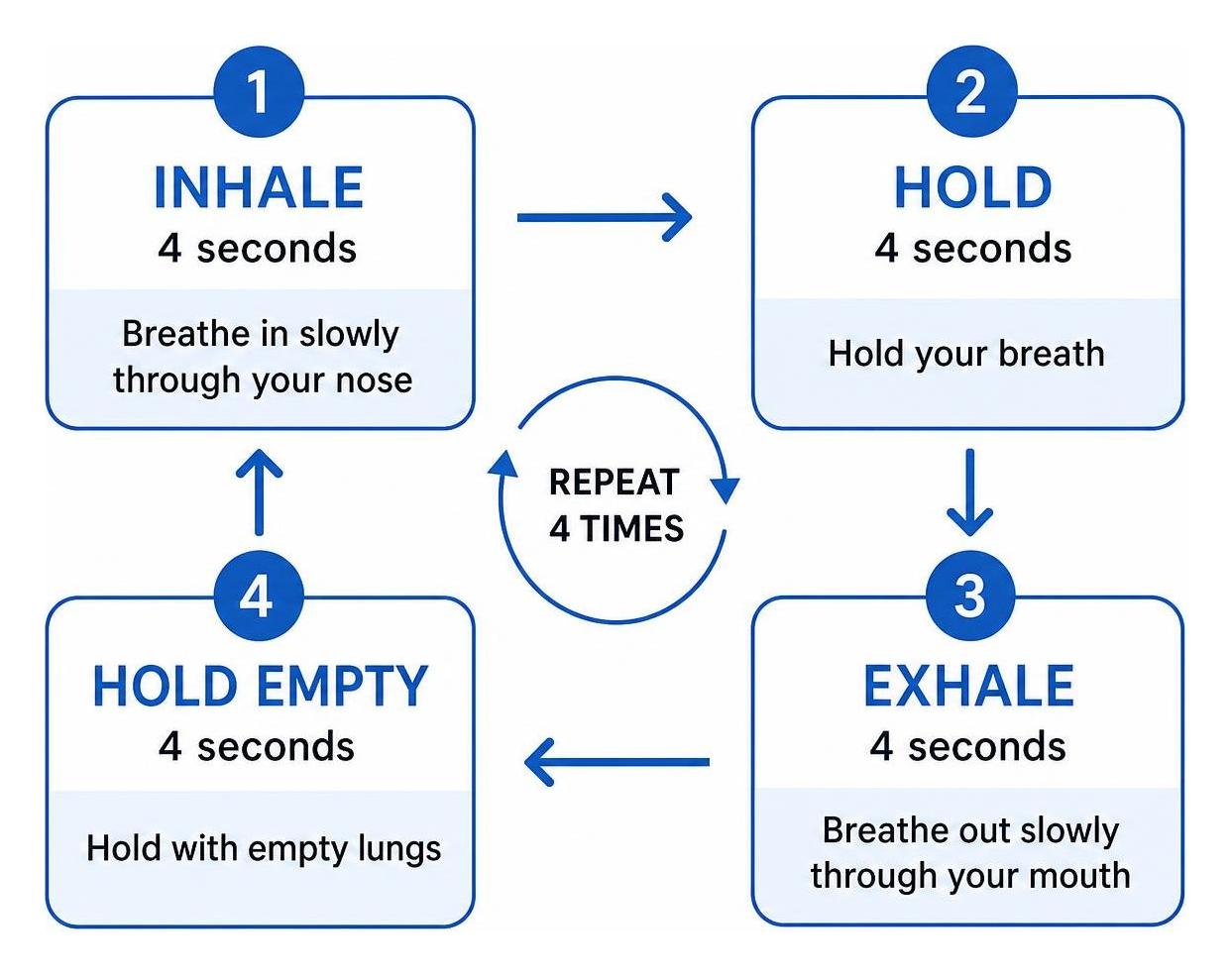
One potent technique is box breathing: inhale for 4 seconds, hold for 4 seconds, exhale for 4 seconds, and hold empty for 4 seconds. Repeating this cycle four times downregulates acute physical tension.
Pair physiological regulation with psychological reframing. Taking two minutes every evening to complete the “Three Good Things” exercise strengthens neural pathways dedicated to spotting positive events. Groundbreaking Duke University School of Medicine research on boosting well-being demonstrates that actively seeking micro-moments of awe—whether admiring architectural details, listening to a stirring piece of music, or viewing a vivid sunset—lowers inflammatory cytokines and deepens daily satisfaction.
5. Spark Creative Expression and Lifelong Learning
Well-being flourishes when we engage in creative exploration without focusing strictly on economic productivity. Learning a new skill stimulates neuroplasticity, building new neural pathways and sharpening cognitive agility across every stage of life.
Engaging in tactile, creative hobbies—such as sketching, culinary arts, pottery, creative writing, or learning a musical instrument—fosters psychological “flow,” a state where self-critical rumination fades into deep focus. We have written extensively on exploring the therapeutic power of creative art activities, noting how tactile, unhurried creation reduces anxiety and builds self-esteem. Dedicate 30 to 45 minutes each week to an expressive project purely for the joy of creation.
6. Strengthen Social Connections and Community Belonging
Human beings are hardwired for relational safety. Deep social ties act as a powerful buffer against psychological distress, while chronic loneliness carries health risks comparable to smoking.
Nurturing social wellness requires intentional, high-presence engagement:
- Schedule non-negotiable phone or coffee dates with close confidants.
- Practice active listening by offering your undivided attention without checking notifications.
- Participate in local community clubs, cultural societies, or volunteer organizations.
Cultivating a secure relational network is equally critical for independent professionals. Reviewing essential wellness tips for busy singles provides practical strategies for building rich social networks and emotional interdependence without sacrificing autonomy.
7. Step Outdoors for Nature Immersion and Micro-Breaks
Spending time in natural environments is a restorative practice that swiftly reduces cortisol, stabilizes blood pressure, and restores depleted attentional reserves.
Even within dense urban settings, you can harness micro-restorative nature breaks throughout the week:
- Sit beside a park fountain or tree grove for 10 minutes during your lunch break.
- Position your morning coffee spot near an open window that receives direct natural morning sunlight.
- Keep living indoor plants, such as ferns or snake plants, across your workspace to introduce natural elements indoors.
- Practice 5-minute sensory grounding outdoors: identify five things you can see, four you can feel, three you can hear, two you can smell, and one you can taste.
Overcoming Barriers to Consistent Self-Care

Knowing what to do is rarely the problem; sustaining habits amidst full calendars, career obligations, and family responsibilities is the true hurdle. A common obstacle is all-or-nothing thinking—believing that unless you have a full free hour for self-care, it is not worth doing at all.
Designing Sustainable Personal Well-Being Tips for Busy Schedules
To make habits stick, leverage habit stacking: linking a new micro-habit to an automatic, established behavior.
- Anchor: While your morning coffee brews.
- Micro-habit: Practice 2 minutes of deep diaphragmatic breathing or write down three things you are grateful for.
- Anchor: When you close your laptop at the end of the workday.
- Micro-habit: Change into comfortable walking shoes and take a 10-minute stroll around the block.
On average it takes about 66 days to form a habit, meaning early slip-ups are a natural part of the learning curve. Optimize your immediate physical environment to reduce friction: keep your walking shoes near the front door, place a filled water carafe at your desk, and plug your phone into a charger across the room before bed.
Integrating Actionable Personal Well-Being Tips to Beat Guilt and Fatigue
Many individuals experience lingering guilt when allocating time to themselves, especially working parents and dedicated caregivers.
Reframing self-care through the classic aviation oxygen mask principle is essential: you cannot support others effectively if your own physiological and emotional reserves are empty. Setting polite, unambiguous personal boundaries around your sleep, recovery time, and offline hours is not selfish—it is a vital prerequisite for sustained empathy, resilience, and professional performance.
Recognizing When to Seek Professional Support
While daily lifestyle rituals build long-term resilience, self-care is not a replacement for formal clinical care. It is essential to recognize when symptoms call for licensed medical or psychological evaluation.
Consider consulting a healthcare professional if you experience any of the following symptoms persistently for two weeks or more:
- Severe sleep disruptions, such as chronic insomnia or early morning awakenings with panic.
- Persistent feelings of hopelessness, emptiness, or overwhelming dread.
- Marked changes in appetite or unintended weight fluctuations.
- Inability to concentrate, complete basic daily responsibilities, or maintain work output.
- Noticeable withdrawal from all social circles and a loss of pleasure in previously loved activities.
- Intrusive thoughts of self-harm.
Begin by scheduling an open evaluation with your primary care physician, who can perform baseline lab work to rule out underlying physiological imbalances (such as thyroid irregularities or vitamin deficiencies) and provide direct referrals to licensed psychotherapists or psychiatrists. If you or someone you know is facing an acute mental health crisis, immediate, confidential support is available 24/7 by calling or texting the 988 Suicide & Crisis Lifeline (in the U.S. and Canada).
Frequently Asked Questions about Personal Well-Being
How long does it take to see tangible results from new wellness habits?
Acute benefits—such as the mental clarity of a 30-minute walk, the calming relief of box breathing, or the restorative impact of a full night’s sleep—are felt immediately. However, deeper physiological adaptations, such as enhanced metabolic stability, improved cardiovascular endurance, and automatic neural habit loops, typically solidify across the evidence-based 66-day consistency window.
Can I improve my overall well-being on a tight budget?
Yes. The foundational habits that drive well-being are entirely free. Walking outdoors, establishing consistent sleep schedules, drinking sufficient water, practicing daily gratitude, and deep breathing cost nothing. High-end wellness retreats and costly supplements are optional; true longevity rests on consistent, simple lifestyle choices.
What is the most effective way to recover motivation when routines slip?
When you fall off track, avoid self-criticism. Lower the barrier to entry by shrinking the target behavior to a 2-minute micro-action. If you missed your 30-minute daily workout routine, commit simply to putting on your shoes and completing 5 minutes of gentle mobility. Action generates motivation, not the other way around.
Conclusion
Elevating your overall well-being is an evolving journey grounded in self-compassion, intention, and sustainable habits. By honoring sleep, nourishing your body with whole foods, moving daily, practicing mindfulness, embracing creative outlets, fostering relationships, and reconnecting with nature, you create a balanced foundation capable of handling modern complexities.
At PARK Ave Magazine, we believe refined living begins with a grounded, healthy mind and body. Explore our curated insights across the PARK Health and Fitness Hub to discover more science-backed guidance for a vibrant, purposeful lifestyle. Pick one small tip from this guide, integrate it into your schedule today, and allow consistent micro-actions to transform your day-to-day well-being.