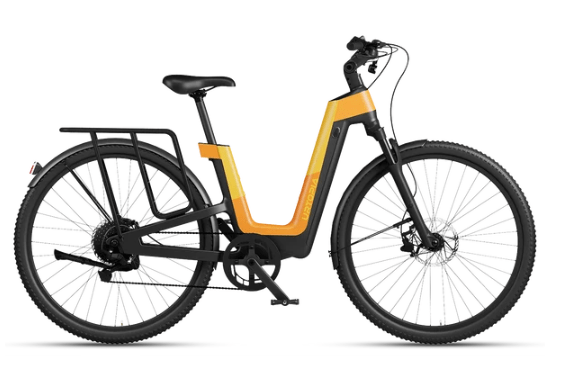
Why More Urban Commuters Are Turning to E-Bikes in 2026
Getting around American cities is changing. Traffic congestion, parking costs, longer commutes, and the return of regular office schedules are pushing many workers to reconsider how they travel each day. For shorter urban trips, cycling is becoming a more practical part of that mix.
Modern e-bikes make cycling accessible to commuters who may not want to arrive at work exhausted or depend on a car for every trip. Pedal assist can make hills, headwinds, and longer distances easier to manage while still allowing riders to pedal and control how much effort they put into the ride.
E-Bikes Are Becoming Part of the Daily Commute
Many city trips are relatively short, yet driving can still involve traffic, parking searches, and time spent walking from a garage to the final destination. An e-bike can simplify some of these trips, particularly when a rider has access to bike lanes or lower-traffic streets.
Pedal assist also expands the distance that many people are comfortable riding. A route that feels demanding on a traditional bicycle may become more manageable when assistance is available on hills or during the last few miles of a commute.
For apartment residents and commuters who need to carry a bike indoors, weight can be just as important as range. A lightweight ebike can be easier to lift onto a rack, move through an elevator, or bring into an office compared with a heavier utility model.
E-Bikes Work Well With Public Transit
E-bikes do not have to replace an entire commute to be useful. They can solve the first- and last-mile problem that often makes public transportation inconvenient.
A commuter might ride from home to a train station, take transit across town, and then continue the final mile by bike. This type of mixed commute can reduce dependence on parking near stations and provide more flexibility when a bus stop or rail station is not within comfortable walking distance.
Folding and lighter models can be especially practical when riders need to move through stations, elevators, or apartment buildings.
City Bike Networks Are Making Riding More Practical
Protected bike lanes and lower-speed streets can make a major difference in whether people feel comfortable commuting by bike. As more U.S. cities connect residential neighborhoods with downtown districts, shopping areas, schools, and transit stations, cycling becomes useful for more than recreation.
PeopleForBikes’ 2026 City Ratings evaluated more than 3,000 U.S. cities, reflecting the growing focus on connected and low-stress bike networks. Better infrastructure does not remove every safety concern, but it can make daily riding more realistic for commuters who would otherwise avoid busy streets.
The Cost of Commuting Is Changing the Equation
Driving costs involve more than fuel. Parking fees, tolls, maintenance, insurance, and routine wear can all contribute to the cost of getting to work.
An e-bike still has ownership expenses. Riders need to consider charging, tires, brake service, locks, and other accessories. The biggest financial difference often comes when a bike replaces some car trips rather than trying to replace a vehicle entirely.
Work commutes, grocery runs, coffee trips, and visits to nearby gyms or restaurants are examples of trips where a bike may be practical without requiring a major lifestyle change.
What Makes an E-Bike Practical for Commuting
Range should match the full round trip rather than only the distance to work. Hills, rider weight, weather, tire pressure, and the selected assistance level can all affect battery use.
Weight also deserves attention. Someone who stores a bike in a garage may care less about a few extra pounds than a rider who carries it up two flights of stairs every day.
Commuters should also look beyond top speed. Integrated lights, reliable brakes, fenders, comfortable riding geometry, and the ability to carry a bag or small load can matter more during daily use.
What Urban Riders Should Check Before Switching
Before changing a commute, riders should test the actual route. Distance alone does not show whether a trip includes steep hills, difficult intersections, heavy traffic, or gaps in the bike-lane network.
Secure storage is another practical concern. A bike room, indoor office storage, or a well-lit parking location can make daily ownership much easier.
Local rules also vary. E-bike classifications, helmet requirements, trail access, and where different classes of bikes may be ridden can differ by state and city. Checking local regulations before commuting regularly can prevent avoidable problems.
Conclusion
E-bikes are becoming a more realistic transportation option for urban commuters because they fit between traditional bicycles, public transit, and cars. They can make longer routes easier, connect riders with transit, and offer more flexibility for everyday trips.
They will not replace driving or public transportation for everyone. But for commuters with manageable distances, safe routes, secure storage, and reliable charging, an e-bike can provide another practical way to move through the city in 2026.