Which Grass Type Holds Up Best Under Heavy Foot Traffic From Dogs?
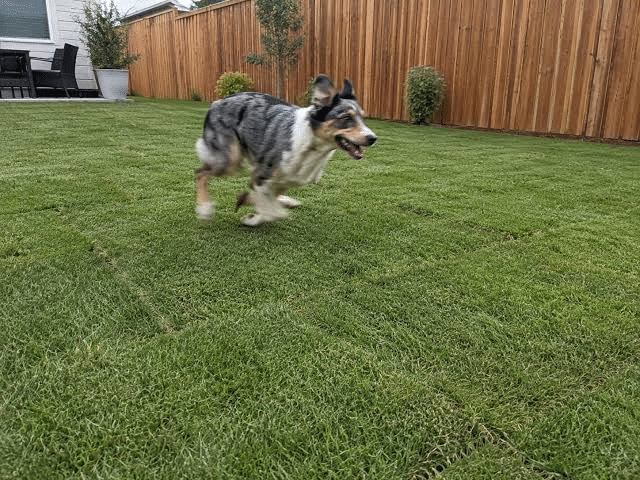
Dogs put repeated pressure on a lawn through running, chasing, digging, and daily toilet breaks. Paw traffic compacts soil, wears blades, and damages crowns, especially near gates, fences, and favorite play areas. The best grass depends on climate, sunlight and recovery speed, but lawn care alone cannot protect constantly used zones. A durable result combines a suitable grass variety with healthy soil, reliable drainage and targeted protection, starting with the grass types that cope best.
Compare Grass Varieties With Traffic Patterns
Choosing the best grass for heavy dog traffic requires more than comparing blade types. The busiest locations usually include gate entrances, fence lines, dog runs, paths, and designated toilet areas. Mapping these zones shows where grass faces repeated pressure and where a protective surface would reduce repairs. This approach prevents treating the entire lawn as though every section receives identical use.
Tall fescue suits varied conditions
Tall fescue is a practical choice for many dog owners because its deep root system supports recovery after regular wear. It performs well in cool-season climates and handles moderate drought once established.
Its bunch-forming growth means damaged sections do not spread sideways as quickly as Kentucky bluegrass. Bare spots therefore need prompt reseeding, especially near gates and paths that receive repeated use.
Tall fescue also needs suitable soil preparation. Compaction limits root growth, so aeration and consistent watering matter as much as seed selection.
Kentucky bluegrass repairs worn patches
Kentucky bluegrass spreads through underground rhizomes. These stems let the grass fill small worn areas over time, helping the lawn recover after normal dog activity.
The grass creates a dense, attractive surface, but it requires regular maintenance in many regions. It also performs best when the soil drains well and receives enough sunlight.
A lawn with severe traffic still needs protection. Kentucky bluegrass can repair minor damage, but constant running in one narrow corridor will outpace natural growth.
Perennial ryegrass establishes quickly
Perennial ryegrass germinates quickly, which makes it useful for overseeding thin or damaged sections. Fast establishment helps cover exposed soil before rain turns a worn patch into mud.
Its recovery depends on growing conditions and ongoing care. Perennial ryegrass often performs best alongside other cool-season grasses rather than as the only variety across a heavily used lawn.
This option suits owners who need quicker surface coverage, though it does not remove the need to manage traffic around entrances, water bowls, and play areas.
Bermudagrass handles warm climates
Bermudagrass is a strong option for warm climates. It tolerates heat and recovers quickly from heavy traffic during its active growing season.
Its performance slows in cooler periods, so seasonal appearance and recovery should guide your choice. Bermudagrass also requires adequate sunlight to produce dense growth.
For warm Australian regions, a lawn that receives full sun and regular use can benefit from bermudagrass. Shaded yards need a different assessment before installation.
Improve The Soil Beneath The Lawn
Grass recovers more effectively when roots have access to air, water, and nutrients. Compacted soil restricts root development, leaving plants less able to replace damaged blades after busy days.
Core aeration relieves compaction in suitable seasons. Appropriate watering supports root growth, while correctly timed fertilization supplies nutrients without forcing weak, excessive growth.
Drainage also affects durability. Wet areas become muddy quickly under paw traffic, then lose more grass each time dogs cross them. Correcting low spots and improving water movement reduces this cycle.
Protect The Highest-Traffic Zones
Even a suitable grass variety has limits. A dog that repeatedly runs along one fence line creates concentrated wear, while the surrounding lawn receives far less pressure.
Protective planning works best when it focuses on those specific locations. A defined path can direct movement, while a separate toilet area prevents repeated damage across the main lawn.
This arrangement suits homeowners who want living grass but need extra support where it fails first. The surrounding lawn takes less stress, reducing reseeding and sod replacement.
Match The Grass To Daily Use
A lawn used for short toilet breaks needs less reinforcement than one used for running, chasing toys, and boarding several dogs. Traffic frequency, soil type, shade, and seasonal weather should guide the decision.
Start by recording the areas that become thin or muddy first. Then identify the climate-appropriate grass, improve drainage, and address compaction before adding seed or turf.
A mixed approach often works best. Durable grass covers general lawn areas, while a hybrid surface or defined path protects the narrow zones that receive constant use.
Conclusion
No single grass type withstands unlimited dog traffic, but the right selection reduces routine damage. Tall fescue suits many cool-season settings, Kentucky bluegrass repairs smaller worn areas, perennial ryegrass establishes quickly, and bermudagrass performs well in warm, sunny conditions. Before planting, map the busiest routes, test drainage, and relieve compacted soil. Protecting those locations with a defined path or permeable hybrid turf gives the lawn a better chance to recover.