Sweatpant Weight and the Difference You Feel in March
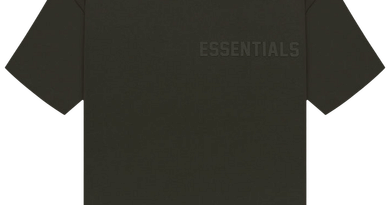
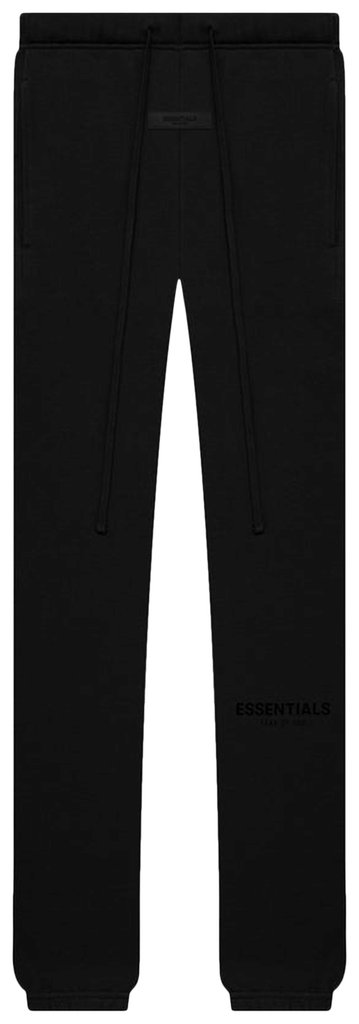
Mid-March, Ottawa, about half eight in the morning. The forecast says minus two, the sidewalk says slush, and by eleven it’ll be plus six with a wind coming off the canal. That’s the month where one pair of sweatpants is wrong twice in the same day — too thin at breakfast, damp and heavy by lunch — and it’s usually when people start scrolling through the sweatpants listings at Essentials Canada for something that isn’t built like January.
Weight is the thing nobody checks and everybody feels. Not the fit, not the colour. How much fabric is actually hanging off your hips.
So what does fabric weight even mean here
Technically it’s mass per square metre of knit, which sounds like a spec-sheet thing until you’ve worn both ends of the scale — a light fleece more or less follows your leg around and hangs flat, where a heavy one sort of stands away from you, keeps a cuff where you shoved it up, and (this is the annoying part) takes forever to dry once snow has melted into the hem.
And that second half — the drying — is the part that bites in March specifically, because December is cold but dry underfoot while March is wet in a way that soaks upward from your ankles.
Loft muddies it further. Weight on its own doesn’t settle the question, because a brushed inside face holds a layer of air against your skin — so two pairs that would read as basically identical on a scale can sit a few degrees apart in real life, depending on whether anyone bothered to brush the back of the knit up or left it smooth.
March refuses to commit to a temperature
Here’s the problem with shoulder season in most of this country. You aren’t dressing for a number, you’re dressing for a spread — Toronto can run minus four at sunrise and plus eight by mid-afternoon, Winnipeg will do the same swing but twelve degrees lower, and Vancouver skips the cold entirely and just rains on you sideways for six weeks. One of those needs fleece. One of those needs something that dries.
| Weight band | How it feels on | The March day it suits |
| Light jersey or thin loopback | Barely there, drapes flat, dries fast | Plus five and up, or an indoor day with a cold commute |
| Midweight brushed fleece | Soft inside, holds a cuff, still bends easily | The minus two to plus six swing — most of the month |
| Heavyweight fleece | Stands away from the leg, warm, slow to dry | A cold snap, a prairie wind, standing around outdoors |
Most people in Toronto, Montreal or Halifax want the middle row for March and then quietly keep wearing it into April. The heavy pair stays in the drawer until next November. That isn’t a rule, it’s just what the weather does.
The mistake is buying one pair for everything
I’d rather own two weights than one perfect pair, which probably sounds like overkill until you’ve walked home in March in sweatpants that soaked through at the cuff and then stayed cold on you for ages afterwards. The fleece that saves you at minus ten turns on you at plus eight on a bus with the heat cranked up — you’re damp, the fabric won’t let any of it go, and then out you step into the wind again. Not fun.
Pricing helps here more than it used to. Across the Essentials Pants range the markdowns are steep enough — the 1977 Essentials Sweatpant in black sits at C$106 against an original of C$340, with the rest of the 21-piece category starting around that same C$106 — that a second pair in a different weight isn’t the splurge it would have been at full price. Two pairs at that number, basically, costs less than one did before.
Colour plays into it too, though not in the way you’d guess. Dark grey and black hide a slush splash. Cream and light grey show every single one of them, which matters a lot more in March than it does in July.
What to actually look at before you buy
Obviously you can’t get your hands on the fabric through a laptop, so the listing is all you’ve got — and there’s more in one than people assume. Things I’d read for:
- Whether the inside is described as brushed or fleece-backed rather than smooth
- How the cuff is finished, because a tight elastic cuff keeps warmth in and slush out while a loose open hem does the opposite
- Whether the pair is cut slim or relaxed, since a wide leg with extra fabric moves more air around your knee and reads cooler at the same weight
- What the product photos show about drape — fabric that falls in soft folds is lighter than fabric that holds a straight line down the thigh
Sizing is its own conversation. Relaxed sweatpants already carry room, so going up a size for layering is usually unnecessary and you just end up stepping on the hem in a puddle. I’d stay true to size and let the cut do the rest.
| Key TakeawaysWeight decides warmth and drying speed — in a wet March the drying matters as muchBrushed inside, same weight, noticeably warmer than a flat smooth faceMidweight fleece covers the minus two to plus six range most of the country getsDark grey and black survive slush; cream shows it from across the streetAt C$106 and up, a second weight beats forcing one pair through four seasons |
Washing in slush season without wrecking the fabric
March means more washes than any other month, and that’s where heavy fleece quietly dies. Hot water and a hot dryer shrink the knit and flatten the brushed inside, so the pair that felt warm in November comes out thinner and a bit stiff by the end of spring. Wash cool. Air-dry if you can be bothered, or pull them out of the dryer while they’re still slightly damp and hang them for an hour.
Salt is the other thing. Road salt crusts into the hem and dries the fibres out, and if you leave it there for a week it works into the knit — rinse the bottom 10 cm under cold water the same evening and it comes out, no scrubbing needed.
Also, a heavier pair takes genuinely ages to air-dry in a damp apartment, which is one more small argument for owning something lighter alongside it. Nobody wants to wait two days for the only clean pair in the house.
March is short and it’s a mess, and sweatpants are the one thing you’ll reach for every morning of it. Pick for the swing, not the worst hour of it, and you’ll stop changing your trousers at noon.