Why Do Some Wooden Furniture Surfaces Develop a White Haze After Being Cleaned?
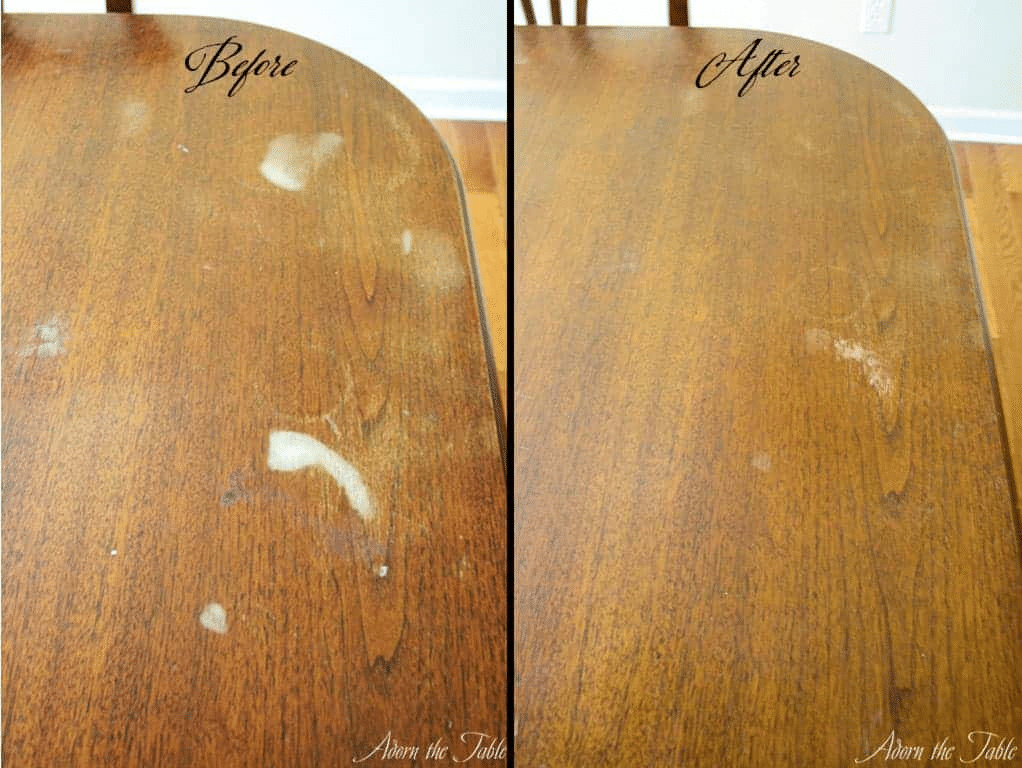
The dining table looked fine before breakfast. After someone wiped away a spill, though, a pale cloud appeared across the glossy top. It was most visible from the doorway, where daylight skimmed the surface. Another wipe did nothing. By evening, the patch seemed to have spread, although the wood itself was dry to the touch.
A white haze on furniture does not always mean something has been left behind. It can be residue sitting on the finish, moisture trapped within the finish, or damage caused by heat and friction. That is a useful distinction when discussing furniture care with house cleaning services. Someone contacting Airhearts Cleaning Services Phoenix about a cloudy table should mention what was used, whether the mark appeared immediately, and whether the finish is glossy, matte, or already worn.
The difficult part is that the same milky appearance can come from several causes. A little patience is safer than testing one harsh remedy after another.
First, Work Out Whether the Haze Is on or in the Finish
Most wooden furniture has a protective coating of some kind. That might be lacquer, polyurethane, shellac, oil, wax, or a factory-applied finish that is difficult to identify by sight. The coating, rather than the timber beneath it, often determines what cleaning can safely accomplish.
Look at the mark in angled light. A greasy film may show wiping streaks or fingerprints. A moisture-related white patch might look as though it sits beneath a clear layer. Scratches can scatter light into a pale area, particularly on high-gloss surfaces. None of these observations is a certain diagnosis, but they help rule out obvious mistakes.
Before trying a product, check care instructions or ask the furniture maker. If the table is valuable, antique, or finished in an unknown way, a furniture conservator is a better choice than a trial-and-error cleaning experiment.
Polish and Wax Can Leave More Than a Shine
Some furniture polishes deposit oils, waxes, or other ingredients intended to change the way a surface looks and feels. Repeated applications can create uneven buildup. A cloth may move that layer around rather than remove it, particularly if it is already loaded with product.
The result can resemble a cloudy veil. It may look worse where hands frequently touch the table or where someone has polished only the visible center. Dust can cling to the film, giving the wood a dull appearance a day after cleaning.
Look for the Pattern Before Removing Anything
A haze that follows broad circular wiping marks is a clue that the most recent product may be involved. A sticky feel is another clue, although damaged finishes can also become tacky. Stop adding polish. If the manufacturer permits it, try a clean, dry, soft cloth on a small unobtrusive area, without pressure. Do not reach for mineral spirits or a commercial wax remover without confirming compatibility with the finish.
For house cleaning services that include dusting furniture, product choice should reflect the maker’s instructions, not a universal promise that every wood surface needs polish. Airhearts Cleaning Services Phoenix can be told when a particular product has caused problems so it is not automatically used again during routine care.
Water Can Turn Some Finishes Milky
A damp glass, a wet cleaning cloth, or a leaking vase may leave a pale patch in a coating. Some finishes can develop a cloudy appearance when moisture becomes trapped or affects the coating. Furniture restorers sometimes call this blushing. It is different from a dark water stain that has penetrated into the wood itself.
The mark may appear beneath a drinking glass or where a wet cloth rested for too long. It may also become visible after someone wipes an entire tabletop with more water than the finish can tolerate. Thin veneer, damaged seams, and worn edges are particularly vulnerable to excessive moisture.
Do not aim a hair dryer, iron, or heat gun at the mark. Online demonstrations can make heating seem straightforward, but uncontrolled heat can soften coatings, damage veneer adhesive, or create a larger pale patch. Gentle drying in a normally ventilated room is safer while you determine the finish and the cause. Persistent blushing may require a refinishing specialist.
Heat Marks Can Be Mistaken for Cleaning Residue
A hot mug or serving dish can alter a finish without leaving a dark scorch mark. Under some conditions, the affected coating turns cloudy or white. The outline may follow the base of the object almost exactly. Someone might first notice it after wiping the table because removing crumbs and fingerprints makes the ring more visible.
This is why timing can be misleading. A mark discovered after cleaning was not necessarily caused by cleaning. Consider whether the table recently held hot cookware, a warm laptop, or a steaming plate.
A professional evaluating the furniture needs to know about both the heat exposure and the cleaning attempt. Airhearts Cleaning Services Phoenix may be involved in ordinary home cleaning, but correcting a heat-damaged lacquer or other specialty coating is a furniture-repair question, not a reason to scrub harder.
Abrasives Can Make a Dark Table Look White
Fine scratches are especially apparent on dark-stained, glossy furniture. A rough sponge, gritty cloth, or polishing compound used incorrectly can create thousands of tiny lines. Together they scatter light, making a broad section appear gray or milky. The effect may only be obvious when the sun hits the table at a low angle.
A Scratch Test Should Not Create More Scratches
Do not scrape the mark with a fingernail or rub it with a magic eraser. Under angled light, check whether fine lines run in the same direction as previous cleaning strokes. If so, the haze may be mechanical wear rather than residue. Cleaning cannot put the removed finish back; repair may involve carefully matched polishing or refinishing by a qualified specialist.
Ask house cleaning services to avoid abrasive pads and unapproved spot treatments on vulnerable furniture. It is reasonable to specify dry dusting only for certain pieces until the maker’s guidance is available.
The Safest Cleaning Method May Be the Simplest
For sound finishes, soft dusting and quick attention to spills are often enough. Use a clean cloth, keep grit from being dragged across the top, and follow the maker’s directions if moisture or a cleaner is needed. Do not saturate joints or leave liquid standing near veneer edges. Different pieces in the same room may require different methods even when they all appear to be wood.
Before a routine appointment, identifying a sensitive table in advance can prevent confusion about what should be cleaned and what should be left alone. A short written line for Airhearts Cleaning Services Phoenix saying that a deteriorating finish gets no polish or damp treatment until its care requirements are confirmed is a practical boundary, not an invitation to experiment on an already damaged coating.
In practice, house cleaning services can maintain accessible furniture surfaces, but they should not be expected to identify an unknown coating or repair its deterioration. When a pale patch appears, photograph it and note the recent products, spills, and heat exposures. If a gentle, approved wipe does not improve it, stop. More applications rarely clarify the cause and may make a later repair more difficult.
Treat the Finish, Not Just the Appearance
A white haze is a description of what the eye sees, not a diagnosis. Product buildup may be removable, while moisture trapped in a finish, heat damage, and fine scratching need a different response. The valuable habit is to identify the coating and consider what happened just before the mark appeared.
People seeking house cleaning services should distinguish routine furniture dusting from restoration. When discussing a delicate piece with Airhearts Cleaning Services Phoenix, sharing the furniture maker’s care advice and any known damage helps establish what can be done safely. A cloudy patch does not have to become a larger one simply because someone wanted to make the table shine again.