Transforming Urban Living Spaces into Sensory Sanctuaries
Urban homes can feel restorative when their colors, textures, light and sound respond to the way people actually use each room. In a compact apartment, these details carry particular weight because one space may support work, meals, exercise and rest within the same day.
A sensory sanctuary doesn’t require a full renovation or an oversized floor plan. Thoughtful material choices, a protected quiet corner and adjustable lighting can change how a room feels from morning through evening. The key is to edit carefully, reduce sources of discomfort and give each sensory element a clear purpose.
Balancing Aesthetics and Tactile Comfort
Start with the surfaces you touch every day. A sofa may photograph beautifully, but stiff upholstery or rough seams can make it unpleasant for daily use. The same principle applies to chair arms, cabinet pulls, bedding and rugs. Test materials with your hands when possible and consider how they’ll feel during warm and cool seasons.
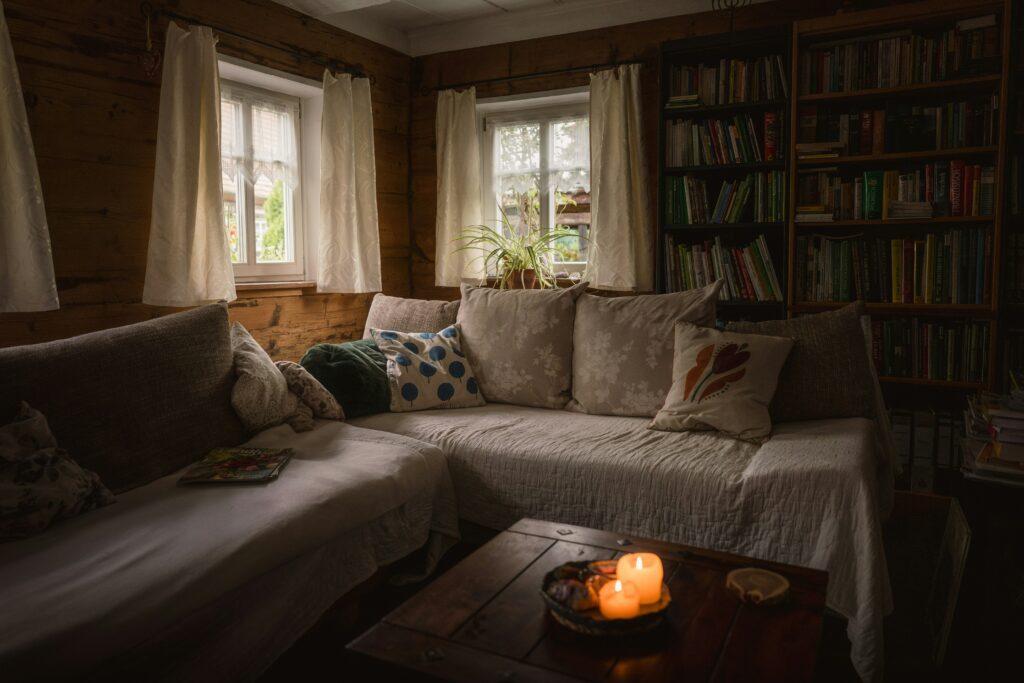
Designers exploring natural and tactile elements often combine wood grain, woven textiles and soft upholstery to give rooms warmth without filling them with decoration. You can apply that idea through a wool throw, linen curtains or a smooth wooden tray. Limit the palette to three or four compatible materials so the space remains calm.
Tactile minimalism offers another useful model. Its visual simplicity depends on subtle physical variety, such as nubby fabric beside polished stone or matte pottery on a fine-grained table. That mix prevents a neutral room from feeling flat.
Comfort also depends on temperature and movement. Choose breathable cushion covers for sunny rooms and position seating away from cold drafts. A rug should feel secure underfoot, so add a nonslip pad and keep its edges clear of door swings. These practical decisions support the room’s appearance while making it easier to live in.
Designing Spaces Dedicated to Quiet Reflection
Choose one defined area where notifications, household tasks and visual clutter have limited reach. It might be a chair beside a window, a cushion in a bedroom corner or a small desk used for journaling after work. Even a three-foot-wide zone can work if it has a comfortable seat and a place for one book or cup.
Visual boundaries help when the sanctuary shares space with another activity. A folding screen, open bookcase or tall plant can separate a reflection corner from a dining table or home office. Renters can use a curtain hung from a tension rod, while homeowners might consider a shallow built-in bench with concealed storage. Keep charging cables, mail and work supplies outside this zone.
Noise deserves equal attention. Thick curtains, upholstered furniture and a dense rug absorb some reflected sound, while felt pads reduce scraping from chairs. If traffic or neighboring activity remains audible, a small fan or low-volume sound machine can soften sudden changes in noise. It should sit close enough to be effective without dominating the room.
Shade matters as well, especially beside large urban windows. Direct glare raises surface temperatures and can make reading uncomfortable. Layered curtains, adjustable blinds and exterior shade can offer greater control throughout the day. A closer look at urban shade solutions explains how thoughtful coverage can support both comfort and safety.
Treat this corner as a standing appointment with quiet. Ten screen-free minutes after arriving home may be more realistic and restorative than an elaborate routine that rarely happens.
Smoke-Free Botanical Vaping Solutions
Some adults include legal cannabis or nicotine vaping products in their personal routines, but these products require more care than ordinary home accessories. Vaping creates aerosol, so “smoke-free” should never be read as emission-free or risk-free. Aerosol can contain nicotine, ultrafine particles and other substances that affect indoor air quality.
Adults who already choose to use these products should check local rules, follow package directions and avoid indoor use around children, pregnant people, pets and anyone with respiratory sensitivities. Don’t use a product in a shared building corridor or another enclosed communal area. Outdoor use, where permitted, keeps residue and odors out of fabrics and shared ventilation systems.
Product origin also matters. Unlabeled items and altered cartridges introduce avoidable uncertainty. Adults considering disposable THC vapes should verify legal eligibility in their location, review ingredient and potency information and confirm that packaging has intact safety and batch details. Never assume that “botanical,” “natural” or a pleasant scent establishes safety.
Store all vaping products in their original packaging inside a locked cabinet, separate from food, cosmetics and household remedies. Devices with rechargeable batteries should stay away from heat, direct sun and soft furnishings while charging. Follow the maker’s disposal instructions because many disposable products contain batteries that don’t belong in regular household trash.
A sensory sanctuary depends on clean, comfortable air. Good ventilation, fragrance restraint and clear household boundaries contribute more to that goal than trying to cover aerosol with candles, sprays or incense.
Integrating Ambient Lighting and Sound
Plan lighting in layers so the room can shift with the time of day. General illumination supports cleaning and movement, task lighting helps with reading or cooking and low accent lighting creates a softer evening atmosphere. In a living room, that may mean a dimmable ceiling fixture, a floor lamp beside the sofa and a shaded table lamp on a console.
Pay attention to glare before buying more fixtures. Exposed bulbs reflected in a television or window can make an otherwise polished room tiring to use. Place lamps below direct eye level when you’re seated and choose shades that diffuse brightness. Warm white light around 2700K often feels comfortable in relaxation areas, while slightly cooler light can suit daytime work. If smart bulbs appeal to you, use simple preset scenes instead of changing every fixture individually.
Sound should have the same level of control. Guidance on five-senses design shows how acoustics work alongside light, texture and scent. At home, start by reducing unwanted echoes. Curtains, bookshelves, rugs and fabric-covered seating can soften hard rooms without specialized construction.
Then decide whether the room benefits from added sound. Instrumental music may support reading, while rainfall or steady ambient audio can mask intermittent street noise. Keep speakers away from shared walls and set the volume low enough that conversation remains easy. Silence should remain an available setting.
The idea of design as sensory refuge is most convincing when each choice responds to a real source of strain. A shaded lamp beside the chair you use nightly has more value than a complicated lighting system you rarely adjust. When touch, quiet, air, light and sound work together, even one corner of an urban home can feel distinctly settled.