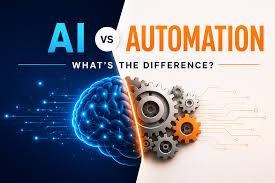
Shipping Automation vs. AI: What’s the Difference?
The shipping and logistics industry has embraced technology at an incredible pace over the past decade. Businesses that once relied on spreadsheets, manual data entry, and endless phone calls now have access to tools that can streamline operations from order fulfillment to final delivery. As these technologies continue to evolve, two terms appear more frequently in conversations about logistics: shipping automation and artificial intelligence (AI). While they are often mentioned together, they are not the same thing.
Understanding the distinction matters because each technology solves different problems. Shipping automation focuses on performing repetitive tasks without manual intervention, while AI goes a step further by learning from data, identifying patterns, and helping businesses make smarter decisions. Knowing when to use one, or both together, can help companies improve efficiency without investing in tools they may not actually need.
What Is Shipping Automation?
Shipping automation refers to software and systems that complete predefined tasks automatically based on established rules. Instead of requiring an employee to perform the same action repeatedly, automation handles those responsibilities consistently and quickly.
For example, when an online customer places an order, an automated shipping platform can generate a shipping label, calculate postage, notify the warehouse, update inventory, send tracking information to the customer, and even trigger an invoice. Each action follows rules that have already been configured by the business.
This approach significantly reduces manual work while minimizing errors caused by repetitive data entry. Employees spend less time handling administrative tasks and more time focusing on customer service, inventory planning, or business growth. Automation is especially valuable for companies processing dozens or thousands of shipments each day because the workflow remains consistent regardless of shipping volume.
How Artificial Intelligence Differs
Artificial intelligence builds upon automation by adding the ability to analyze information and make predictions rather than simply following programmed instructions. Instead of executing the same workflow every time, AI examines large amounts of historical and real-time data to recommend or even perform better decisions.
Imagine a company shipping products nationwide. Rather than selecting the cheapest carrier every time, AI could evaluate delivery speed, weather conditions, seasonal demand, historical carrier performance, destination congestion, and transportation costs before recommending the most appropriate shipping option.
This type of decision-making becomes increasingly valuable as shipping networks grow more complex. A modern shipping API platform may help identify trends that humans would likely overlook, allowing businesses to reduce delays, improve customer satisfaction, and better manage transportation expenses.
Automation Follows Rules: AI Learns from Data
One of the simplest ways to understand the difference is to think about how each technology approaches a task.
Shipping automation follows instructions that humans create. If a package weighs under five pounds, use Carrier A. If an order exceeds a certain value, require signature confirmation. If inventory reaches a minimum threshold, notify purchasing. Every outcome depends on rules that have already been established.
AI works differently. Instead of relying solely on fixed instructions, it evaluates information and continuously improves its recommendations as new data becomes available. If carrier performance changes during peak shipping season or fuel costs suddenly increase, AI may recognize those shifts and suggest different shipping strategies without requiring someone to manually rewrite every rule.
This flexibility makes AI especially attractive for businesses operating in changing markets where customer expectations, shipping costs, and carrier reliability fluctuate throughout the year.
Where They Work Best Together
Rather than viewing shipping automation and AI as competing technologies, many businesses benefit most by combining them.
Automation handles repetitive operational tasks that need speed and consistency. AI analyzes information behind the scenes and improves the decisions that drive those automated processes.
For example, an AI system may determine which carrier provides the best balance of cost and delivery performance for a specific order. Once that recommendation is made, the automated shipping software instantly creates the label, updates tracking information, prints warehouse documentation, and notifies the customer. Neither technology replaces the other. Instead, they complement one another by handling different parts of the workflow.
This partnership becomes increasingly valuable as shipping volumes increase. What begins as a simple automated process can gradually become a more intelligent shipping operation as AI capabilities are introduced.
Preparing for the Future of Logistics
Technology in logistics continues to advance, but success rarely comes from adopting every new innovation at once. Businesses that first build reliable automated workflows often create a stronger foundation for future AI adoption. Clean data, standardized processes, and consistent shipping operations make AI recommendations far more accurate and useful.
As customer expectations continue to rise, companies will increasingly rely on both automation and AI to deliver faster service while controlling operational costs. Automation keeps day-to-day shipping running efficiently, while AI helps businesses adapt to changing conditions with greater confidence.
For businesses looking to improve logistics performance, understanding this distinction is an important first step. Investing in automation can eliminate manual bottlenecks today, while introducing AI over time can unlock new opportunities for optimization as operations become more sophisticated. Rather than choosing one over the other, many organizations will find the greatest long-term value by allowing both technologies to work together throughout the shipping process.