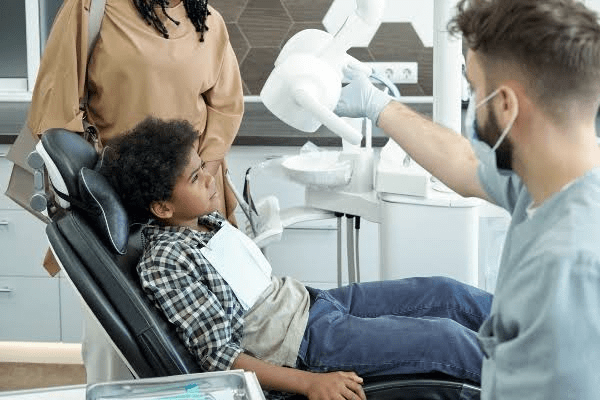
What to Expect at Your First Quincy, MA Dentist Visit
Starting Somewhere New
Picking a new dentist isn’t a small decision. You’re handing someone access to your health history, your comfort level, and honestly, a fair amount of trust. If you’ve just moved to the South Shore, switched insurance, or you’re finally getting back into a routine after a few years away, the first appointment tends to carry a little extra weight. Knowing what actually happens once you sit down in the chair can take a lot of that pressure off.
Key Takeaways
- A first visit is longer than a routine cleaning because it includes paperwork, a full health history review, and a comprehensive exam
- Bringing ID, insurance details, and a current medication list ahead of time speeds up check in
- Digital X-rays give the dentist a baseline for future visits and catch issues that aren’t visible during a standard look in the mouth
- A gum and periodontal check happens even if nothing hurts, since gum disease often has no early symptoms
- Oral cancer screenings are a standard part of most first exams, not an optional add on
- Whether you get a cleaning the same day depends on your gum health, not just scheduling
- You should leave the visit knowing what’s urgent, what can wait, and why
Your First Appointment Isn’t Just a Cleaning
Here’s something a lot of people don’t realize until they’re sitting in the chair. A first visit and a routine six month checkup aren’t the same appointment stretched to fit a new patient. They’re structured differently on purpose.
A returning patient usually gets a cleaning, a quick exam, and updated X-rays if it’s been a year. A new patient visit is more of a starting point. The dentist doesn’t have your history yet, so they’re building a full picture: your current oral health, any old dental work, habits like grinding or clenching, and concerns you might not have mentioned on a form. That takes more time. Most offices plan for somewhere between 60 and 90 minutes for a new patient exam, depending on what’s involved.
Sound like overkill for a first meeting? It isn’t, really. Think of it the way you’d think of a new primary care doctor ordering a full panel of bloodwork instead of just checking your blood pressure. The dentist is establishing a baseline they’ll compare everything to going forward.
Before You Walk In
Preparation isn’t complicated, but it makes a real difference in how smoothly check in goes.
Most practices ask new patients to fill out intake forms online before the appointment. If you haven’t done that yet, plan to arrive 15 to 20 minutes early. You’ll generally want to bring a photo ID, your dental insurance card if you have one, and a list of any medications you’re currently taking. If you’ve had dental work done recently at another office, mentioning it (or requesting that records get transferred) helps the new dentist avoid redoing work that’s already been done.
One thing worth checking ahead of time: not every office accepts every type of insurance. Many dental practices in Massachusetts, including smaller, independently run offices, work with PPO plans but can’t take HMO plans or MassHealth. It’s a quick phone call that saves a wasted trip.
What Actually Happens During the Exam
The Conversation Comes First
A good first visit starts with talking, not tools. Expect questions about why you’re there, what’s bothered you in the past, whether you’ve had bad experiences at other offices, and what your goals are. Maybe you want whiter teeth. Maybe you just want to stop avoiding the dentist. Either answer is fine, and a dentist who’s paying attention will actually use it to shape the visit.
X-Rays and a Closer Look
Digital X-rays are standard for most new patients, unless you’ve had recent images transferred from a previous office. They let the dentist see things a visual exam can’t catch, like decay between teeth, bone loss, or issues below the gumline. Digital sensors also use significantly less radiation than older film X-rays, and you’ll usually see the images on a screen in real time rather than waiting for prints.
Checking Your Gums, Not Just Your Teeth
This part gets skipped in a lot of people’s mental image of a dental visit. A periodontal evaluation measures the depth of the space between your teeth and gums using a small probe. It sounds unpleasant. In practice, it’s quick and mostly just a little pressure. Gum disease is sneaky because it usually doesn’t hurt until it’s fairly advanced, so this check matters even if your mouth feels completely fine.
The Screening Most Patients Forget About
Somewhere in the exam, your dentist will also check your lips, tongue, the floor of your mouth, and your neck and jaw for anything unusual. That’s an oral cancer screening, and it’s one of the more valuable five minutes of the appointment, even though it rarely gets mentioned outside the dental office itself. According to the American Dental Association’s consumer education resource on common questions about visiting the dentist, this screening is a routine part of dental checkups and one of the reasons regular visits matter beyond just cavities.
Finding something concerning is rare. But when it does happen, catching it early is the entire point.
Will You Get a Cleaning the Same Day?
Depends. Sometimes yes, sometimes not, and that’s not the office being difficult about scheduling.
If your gums are healthy and there’s time in the appointment, plenty of practices combine the exam and a standard cleaning into one visit. If the periodontal evaluation shows signs of gum disease, though, a routine cleaning isn’t actually the right treatment. In that case, you may need a deeper cleaning or a separate periodontal appointment instead. It’s a clinical call, not a convenience one, and a dentist who explains that distinction clearly is doing you a favor, even if it means a second trip.
Questions Worth Asking Before You Leave
Don’t be shy here. A first visit is also your chance to figure out if this is a practice you’ll actually want to keep coming back to.
Reasonable things to ask before you head out:
- What did the exam actually find, in plain language?
- Is anything urgent, or can it be watched for now?
- What would treatment options look like, and roughly what do they cost?
- If I don’t have insurance, are there other ways to manage costs?
- How often should I be coming back, based on what you found today?
If something does require prompt attention, it also helps to know where you can get urgent care, whether that means your regular provider or a dentist in El Dorado, KS when you’re in that area. If the answers feel rushed or vague, that’s useful information too.
Finding the Right Fit in a Crowded Market
Quincy and the surrounding South Shore towns have no shortage of dental offices, from large multi location chains to smaller independent practices. That’s generally good for patients. More options usually means more chances to find a dentist whose communication style actually matches what you’re looking for.
Some patients want speed and convenience above everything else. Others want more time with the dentist and a clearer explanation of what’s happening in their mouth before anything gets scheduled. Practices like Quincy Center Dental Associates, located in Quincy Center, structure their new patient process around that second group, walking patients through the history, exam, and findings step by step before recommending next steps. It’s a fairly common approach among independently run offices, and it’s worth asking about directly if it matters to you.
There isn’t a universally “right” dental office. There’s the one that fits how you want to be treated.
Frequently Asked Questions
How long does a first dental visit usually take?
Most new patient appointments run 60 to 90 minutes, longer than a standard six month checkup, since they include paperwork, a full health history, X-rays, and a comprehensive exam.
What should I bring to my first dentist appointment?
A photo ID, your dental insurance card if applicable, a current list of medications, and any relevant medical information. If you’re transferring from another dentist, having their contact information handy helps too.
Will I get X-rays at my first visit?
In most cases, yes, unless you can provide recent X-rays from a previous dentist. Digital X-rays give the new dentist a baseline they didn’t have before and can reveal issues that aren’t visible during a standard exam.
Does a first visit always include a cleaning?
Not always. Whether a cleaning happens the same day generally depends on the health of your gums. If periodontal treatment is needed first, the dentist may recommend a separate appointment instead.
What if it’s been years since I’ve seen a dentist?
That’s more common than people think, and a good dentist won’t make it a bigger deal than it needs to be. Expect a thorough exam and an honest conversation about where things stand, without judgment about the gap.
Do dentists check for oral cancer at a routine visit?
Generally, yes. Most comprehensive exams include a visual and physical screening of the mouth, tongue, jaw, and neck, since early detection significantly affects treatment outcomes.
What if I don’t have dental insurance?
Many practices offer in-house membership plans or financing options for patients without traditional insurance. It’s worth asking about these directly when you schedule your appointment.
This article is for general educational purposes only and isn’t a substitute for professional dental advice, diagnosis, or treatment. Always consult a licensed dentist regarding your specific oral health needs.