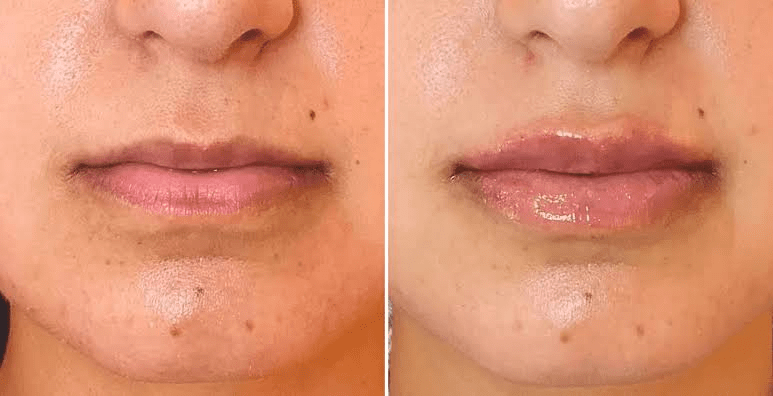
Filler Dissolving Explained: What to Know Before Reversing or Adjusting Dermal Filler
Dermal fillers are widely used in aesthetic treatments to restore volume, soften certain facial lines, and enhance features. Although many people are satisfied with their results, circumstances can change. A person may decide that they no longer like the appearance of a filler treatment, experience unevenness, develop an unwanted effect, or simply want to return closer to their previous appearance. In situations involving certain types of temporary injectable fillers, filler dissolving may be considered as a way to reduce or reverse the effect.
Because filler products and dissolving methods vary, the process should be approached as a medical procedure rather than a simple cosmetic adjustment. The appropriate approach depends on the type of filler used, where it was injected, how much product remains, the person’s medical history, and the reason for wanting treatment. A qualified medical professional should assess the area before deciding whether dissolving is appropriate.
What Is Filler Dissolving?
Filler dissolving generally refers to a treatment intended to break down certain injectable dermal fillers. The technique most commonly associated with dissolving involves hyaluronic acid fillers and an enzyme called hyaluronidase.
Hyaluronic acid is a substance naturally found in the body and is commonly used in many temporary dermal filler products. Hyaluronidase can break down hyaluronic acid, allowing the body to process and clear the material more quickly.
However, not every dermal filler can be dissolved with hyaluronidase. Different filler materials have different properties, and some may require other approaches or may not have a specific dissolving treatment available.For this reason, identifying the original filler is an important first step.
Why Someone Might Consider Dissolving Filler
There are many reasons someone may seek professional assessment after receiving dermal filler. Aesthetic dissatisfaction is one possibility. The result may appear different from what the person expected, or the amount of volume may feel excessive.Asymmetry is another reason. Although minor differences between the two sides of the face are normal, a person may notice an uneven appearance after treatment.
Some individuals may also experience lumps, bumps, migration, or other changes that they want evaluated. In other situations, the person may simply prefer their previous appearance.Medical concerns can also require urgent professional evaluation. Certain complications following injectable treatments require prompt assessment rather than routine cosmetic dissolving.
Identifying the Type of Filler
Before considering dissolving treatment, it is important to determine what product was used. The treatment approach depends heavily on the filler material.Hyaluronic acid fillers are generally the main category that can be specifically targeted with hyaluronidase. Other filler materials may not respond to the enzyme in the same way.
Patients should provide their practitioner with the name of the filler, treatment date, injection location, and amount used whenever possible. Treatment records can be especially valuable when the procedure was performed by a different provider.If the exact product is unknown, the practitioner may need to gather additional information before proceeding.
Hyaluronidase is an enzyme that breaks down hyaluronic acid. When used appropriately in the treatment of hyaluronic acid filler, it can accelerate the breakdown of the injected material.The enzyme does not simply remove a filler product mechanically. Instead, it acts on hyaluronic acid, allowing the material to be broken down and subsequently processed by the body.
The amount and placement of hyaluronidase depend on several factors, including the filler being treated, the location, the amount of product present, and the desired outcome.Because treatment decisions can be highly individualized, dosing and injection technique should be determined by a qualified medical professional.
What Happens During the Procedure?
A filler-dissolving appointment generally begins with an assessment. The practitioner may examine the treated area, review the patient’s treatment history, identify the filler if possible, and discuss the desired outcome.The treatment area may then be prepared before the enzyme is injected into selected areas.
The procedure itself may be relatively quick, but the overall appointment can take longer because assessment and planning are important parts of the process.
Patients should understand that the outcome may not be immediately predictable. Some changes can become noticeable relatively soon, while the final appearance may continue to evolve as swelling decreases and the treated material is processed.
Not necessarily. The amount of treatment required depends on the original filler, the amount present, how it was placed, and the individual’s response.Some people may achieve the desired result after one session, while others may require additional assessment or treatment.
A practitioner may prefer to take a gradual approach, particularly when only part of the filler needs to be reduced. This can help avoid removing more product than necessary.The goal should be based on the individual’s circumstances rather than assuming that every situation requires complete removal.
Swelling After Filler Dissolving
Temporary swelling can occur after injections. The treated area may also appear different immediately after the procedure because of the injection itself and the body’s response.This means that the appearance shortly after treatment may not represent the final result.
Patients should follow the aftercare instructions provided by their medical professional and allow appropriate time for the area to settle before judging the outcome.If swelling is severe, rapidly worsening, unusually painful, or associated with other concerning symptoms, professional medical evaluation should be sought.
Like other injectable procedures, filler-dissolving treatment can have side effects. These may include temporary redness, swelling, tenderness, bruising, itching, or discomfort at the injection site.Some people may experience an allergic or hypersensitivity reaction to hyaluronidase. A medical professional should review relevant allergies and medical history before treatment.
There can also be aesthetic consequences. Because hyaluronic acid occurs naturally in the skin, dissolving treatment may sometimes reduce some naturally occurring or previously injected hyaluronic acid in the area.
The Importance of Medical Assessment
Filler complications can sometimes resemble ordinary cosmetic concerns even when they require a different response. A qualified practitioner should evaluate symptoms rather than assuming that dissolving is automatically the correct solution.For example, severe pain, unusual skin discoloration, changes in skin temperature, or visual symptoms after filler injection can indicate a potentially serious complication requiring urgent medical attention.
In such circumstances, treatment should not be delayed while attempting to arrange a routine cosmetic appointment.Professional assessment is therefore an essential part of deciding whether filler dissolving is appropriate.
Filler migration refers to movement of filler material away from its intended injection area. It can sometimes contribute to an unwanted appearance, depending on the product and location.When migration involves a dissolvable hyaluronic acid filler, a practitioner may consider targeted hyaluronidase treatment.
However, not every swelling or irregularity represents migration. Tissue anatomy, swelling, scar tissue, normal asymmetry, and other factors can affect appearance.A professional examination is necessary before determining the cause and appropriate treatment.
Lumps and Unevenness
Small lumps or uneven areas after filler can have several causes. Some may resolve as swelling decreases, while others may persist.Depending on the situation, massage, observation, additional treatment, or dissolving may be considered. The appropriate response depends on the type of filler and the underlying cause.
Trying to manipulate the area aggressively without professional advice can potentially worsen irritation or injury.A practitioner can determine whether the area contains actual filler, swelling, tissue changes, or another issue.
Some individuals consider dissolving existing filler before receiving a new treatment. This may be appropriate in certain circumstances, particularly when the existing product is contributing to an unwanted shape or when the practitioner needs a clearer baseline.However, there is no universal requirement to dissolve filler before every future treatment.
A qualified injector should evaluate the existing product, its location, and the desired outcome before deciding whether removal is appropriate.Waiting for the area to settle after dissolving may also be advisable before considering another cosmetic procedure.
Choosing a Qualified Practitioner
The qualifications and experience of the practitioner matter greatly. Filler dissolving involves injectable medication and should be performed by an appropriately trained healthcare professional familiar with facial anatomy, dermal fillers, potential complications, and emergency management.Patients should ask about the practitioner’s qualifications, experience with the specific filler involved, and approach to complications.
It is also helpful to provide complete information about previous cosmetic procedures, including treatments performed by other providers.A careful consultation should include discussion of potential benefits, limitations, risks, alternatives, and expected recovery.
Patients can prepare several questions before an appointment. These may include asking whether the existing filler is dissolvable, how the practitioner identified the filler type, what outcome is realistic, and whether more than one treatment might be necessary.
It is also reasonable to ask about possible side effects, aftercare, signs that require urgent attention, and how long the area may take to settle.If the practitioner is unsure about the product or recommends treatment without adequately assessing the area, seeking another professional opinion may be sensible.
Aftercare Considerations
Aftercare instructions vary according to the individual treatment and practitioner. Patients should follow the specific instructions provided rather than relying on generalized advice.
It may be recommended to avoid unnecessary pressure or manipulation of the treated area for a certain period. Practitioners may also provide guidance about exercise, skincare products, makeup, or other activities.Patients should monitor the treated area and report unexpected or concerning changes.
Following instructions carefully can support a smoother recovery and help the practitioner evaluate the outcome accurately.Most cosmetic treatment side effects are temporary, but certain symptoms require urgent assessment.
Severe or increasing pain, significant changes in skin color, unusual coldness of the skin, sudden swelling, or visual disturbances after facial filler treatment should not be ignored.These symptoms can potentially indicate serious complications, including vascular problems. Immediate medical evaluation may be necessary.
Anyone experiencing symptoms after a cosmetic injectable procedure should contact an appropriate healthcare professional or emergency service rather than waiting for a routine follow-up.
Understanding Expectations
Filler dissolving is not always an instant return to the exact appearance a person had before treatment. The treated area may have changed naturally over time, and the skin and surrounding tissues may respond differently after filler has been reduced.Swelling and inflammation can also temporarily alter the appearance.
Realistic expectations are therefore important. The goal of treatment should be discussed carefully with the practitioner before the procedure.Photographs taken at different stages can sometimes help track changes, but they should be interpreted alongside a professional clinical assessment.
Can Dissolving Affect Natural Hyaluronic Acid?
Because hyaluronidase breaks down hyaluronic acid, patients may have questions about whether it affects the body’s own hyaluronic acid.
The enzyme can act on hyaluronic acid in tissues around the injection area as well as the injected material. This is one reason treatment should be carefully targeted by a trained professional.The body naturally produces hyaluronic acid, and levels are restored over time as part of normal biological processes. However, individual responses can vary.
Patients should discuss concerns about volume loss or changes in skin appearance with their practitioner before treatment.A common mistake is judging the result too quickly. Immediately after an injection, swelling and local tissue reactions can affect appearance.
Depending on the situation, the practitioner may recommend allowing time for the area to settle before deciding whether additional dissolving is necessary.Taking a measured approach can help prevent unnecessary treatment. If the first intervention produces substantial improvement, additional treatment may not be needed.
Filler Dissolving and Skin Appearance
The appearance of the skin after dissolving depends on several factors. If filler had previously created significant volume, reducing it may make the area look less full.
Some patients may notice changes in contour or the appearance of lines that were previously softened by filler. These changes should be discussed during the consultation so expectations remain realistic.Dissolving one area may also change how surrounding facial features appear in relation to one another.
A follow-up appointment can help determine whether the desired result has been achieved and whether additional treatment is appropriate.The practitioner may assess swelling, symmetry, residual filler, and overall appearance. Follow-up also provides an opportunity to address questions or concerns.
Patients should not assume that more treatment is automatically better. In many cosmetic procedures, a conservative approach can be beneficial when the goal is to achieve a natural and balanced result.
Conclusion
Dermal fillers can provide temporary changes to facial volume and contour, but not every treatment produces the desired long-term result. When a hyaluronic acid filler needs to be reduced or reversed, filler dissolving may be an option under the care of a qualified medical professional.
The process commonly involves hyaluronidase, an enzyme that breaks down hyaluronic acid. However, not all fillers are dissolvable, and the appropriate treatment depends on the product, injection location, amount of filler, individual anatomy, and reason for seeking treatment.
A proper consultation is essential before proceeding. The practitioner should identify the likely filler type, assess the treated area, discuss expectations, explain potential side effects, and determine whether dissolving is actually appropriate.
Patients should also understand that results may develop over time rather than appearing immediately. Temporary swelling, redness, tenderness, or bruising can occur, and additional treatment is not always necessary. Most importantly, symptoms such as severe pain, significant skin discoloration, or visual changes following filler treatment require urgent medical evaluation rather than routine cosmetic care.
When performed thoughtfully by an appropriately qualified professional, filler dissolving can be a useful option for managing certain unwanted outcomes associated with dissolvable dermal fillers. Careful assessment, realistic expectations, appropriate aftercare, and professional follow-up are key parts of achieving the safest and most satisfactory outcome.