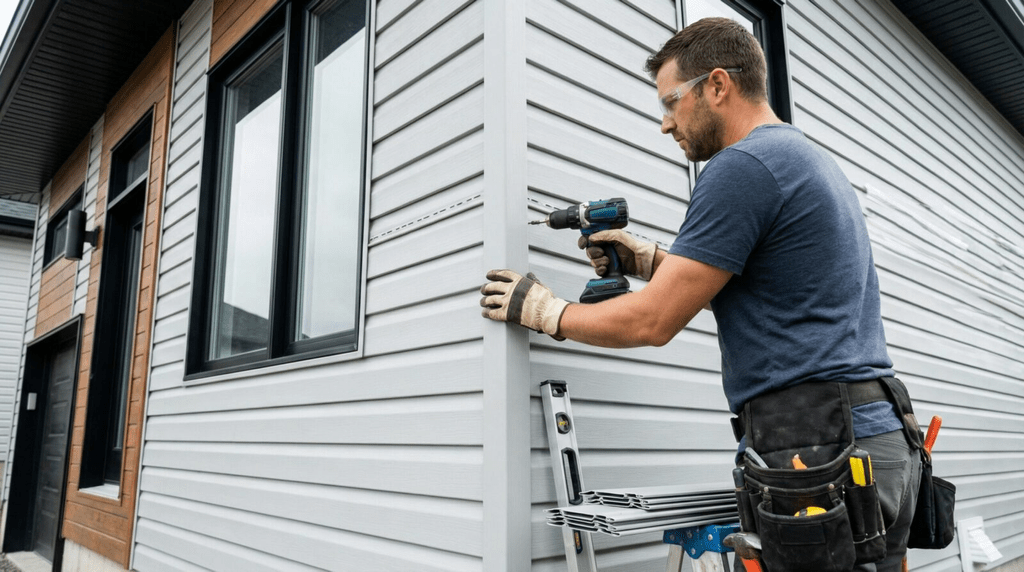
Siding Replacement Guide: Materials, Costs, Installation and Benefits for Homeowners
Your home’s exterior is more than a protective shell. It plays an important role in curb appeal, energy efficiency, moisture control, and the overall condition of the structure. Among the many exterior components that contribute to these qualities, siding is one of the most visible and hardworking. It protects walls from rain, wind, sunlight, temperature changes, and everyday wear while also giving the property its distinctive appearance. When siding becomes damaged, faded, warped, or outdated, replacing it can provide both practical and aesthetic benefits.
Many homeowners hesitate to replace siding because they assume the process will be complicated, expensive, or disruptive. In reality, a well-planned project can be straightforward when the condition of the existing siding is properly evaluated and the right materials are selected. Understanding the signs of deterioration, available material choices, preparation requirements, installation process, costs, and long-term maintenance can help homeowners make informed decisions and avoid unnecessary problems.
Understanding When Exterior Siding Needs Attention
Siding is designed to withstand harsh outdoor conditions, but no material lasts forever. Over time, exposure to moisture, ultraviolet rays, strong winds, insects, temperature fluctuations, and physical impact can gradually reduce its effectiveness. Some signs of deterioration are obvious, while others may be easy to overlook until they become larger problems.
Cracks, holes, loose panels, and visible warping are among the clearest indications that siding needs attention. These defects can allow water to reach the layers underneath the exterior surface. Once moisture gets behind siding, it can contribute to wood rot, mold growth, insulation problems, and structural deterioration. Even a relatively small opening can become a significant concern if it remains exposed to repeated rainfall or high humidity.
Fading and peeling can also indicate that siding has reached the end of its useful life. Although cosmetic changes do not always mean the material has failed structurally, widespread discoloration can make a property look neglected and may be difficult or expensive to correct through cleaning or painting. If the finish has deteriorated throughout a large portion of the exterior, replacement may offer a more practical long-term solution.
Another important warning sign is increasing maintenance. Older siding may require frequent painting, sealing, repairs, or cleaning simply to maintain an acceptable appearance. When maintenance becomes a recurring expense, replacing the exterior with a more durable and lower-maintenance material can make sense.
Why Proper Siding Replacement Matters
Replacing siding is not simply a matter of removing old panels and attaching new ones. The siding system works together with the wall assembly, moisture barriers, flashing, insulation, trim, and other exterior components. A professional installation should therefore address both visible materials and the protective layers underneath them.
One of the biggest advantages of a properly completed siding replacement is improved moisture protection. Modern siding systems can be installed with weather-resistant barriers and carefully integrated flashing around windows, doors, corners, and other vulnerable areas. These details help direct water away from the wall assembly rather than allowing it to penetrate behind the exterior covering.
A new exterior can also improve energy performance when the project includes appropriate insulation or addresses gaps in the existing wall system. Siding itself is not the only factor affecting energy efficiency, but replacing deteriorated materials provides an opportunity to inspect insulation and improve areas where air leakage or thermal bridging may be occurring.
Appearance is another major consideration. New siding can dramatically change the character of a home without altering its basic structure. Different colors, textures, profiles, and materials allow homeowners to create a traditional, contemporary, rustic, or minimalist appearance while maintaining the architectural style of the property.
Choosing the Right Siding Material
Selecting the appropriate siding material is one of the most important decisions in the entire project. Each material has different characteristics related to durability, maintenance, appearance, installation, and cost. Homeowners should consider the property’s design, environmental conditions, maintenance preferences, and budget before making a final choice.
Vinyl siding remains popular because it is generally affordable, lightweight, and relatively easy to maintain. It is available in numerous colors and profiles and does not require routine painting in the same way many traditional wood products do. Quality vinyl siding can provide good resistance to moisture and everyday weather exposure, although it can crack or become damaged under certain impacts and extreme conditions.
Fiber cement siding is another widely used option. It is manufactured from a combination of cementitious materials and reinforcing fibers, creating a durable product that can resemble painted wood. It offers resistance to moisture, insects, and fire and can provide a substantial, long-lasting exterior finish. However, it is heavier than vinyl and typically requires more specialized handling and installation.
Wood siding offers natural beauty and a traditional appearance that many homeowners find difficult to replicate with manufactured products. Cedar, pine, and other wood species can be stained or painted in a wide range of colors. The primary consideration is maintenance. Wood siding usually requires periodic painting, staining, sealing, and inspection to protect it from moisture and insects.
Engineered wood siding provides another alternative for homeowners who like the appearance of natural wood but want a manufactured product with more consistent performance. It can be designed to resist moisture and common exterior threats while offering a variety of textures and finishes.
Metal siding, including steel and aluminum, can also be appropriate for certain properties. It is resistant to many common forms of deterioration and can offer a distinctive appearance. Aluminum is relatively lightweight, while steel provides strong impact resistance. However, finishes can eventually fade or become damaged, and repairs may require careful color matching.
Evaluating the Existing Exterior Before Installation
A successful siding project begins with a thorough inspection. Removing old siding can reveal conditions that were not visible from the outside, including water damage, rotted sheathing, deteriorated framing, inadequate flashing, insect damage, or missing moisture protection.
This inspection stage is important because installing new siding over unresolved problems can conceal damage rather than fix it. If water has already reached the wall assembly, simply covering the affected area could allow deterioration to continue behind the new exterior.
Contractors should pay particular attention to areas around windows, doors, roof intersections, decks, vents, utility penetrations, and corners. These locations often require specialized flashing and sealing because they interrupt the continuous exterior surface.
Homeowners should also ask how damaged sheathing or framing will be handled if problems are discovered. Clarifying this before work begins can prevent unexpected confusion during installation and help establish realistic expectations about potential additional costs.
Preparing for the Replacement Project
Good preparation can make the installation process smoother and reduce unnecessary delays. Before work starts, homeowners should remove or relocate outdoor furniture, decorations, planters, and other objects positioned close to exterior walls. Fragile items should be moved to a safe location because construction can create dust, debris, and vibration.
It is also helpful to discuss access requirements with the contractor. Siding installation may involve ladders, scaffolding, cutting equipment, and material deliveries. Clear access around the property allows workers to operate safely and efficiently.
The project schedule should also be discussed in advance. Weather can influence exterior construction, especially when moisture-sensitive materials, sealants, coatings, or adhesives are involved. A realistic schedule should account for preparation, removal, repairs, installation, trim work, and final inspection rather than focusing only on the number of days required to attach the new siding.
The Siding Replacement Process
Although the exact procedure varies according to the material and condition of the property, most projects follow several major stages. The first stage is removal of the existing siding. Workers carefully take down the old material while trying to minimize unnecessary damage to the underlying wall assembly.
Once the exterior is exposed, the contractor can inspect the sheathing and framing. Damaged areas may need to be repaired or replaced before the new siding is installed. This stage is particularly important when the previous siding had visible moisture damage.
Next, the wall surface is prepared for the new exterior system. Depending on the project, this can involve installing a weather-resistant barrier, replacing or improving flashing, adding insulation, and preparing appropriate furring or fastening surfaces.
The new siding is then installed according to the manufacturer’s specifications. Correct spacing, fastening, overlap, alignment, and expansion allowances are essential. Different materials have different installation requirements, so following the product guidelines is important for both appearance and performance.
Trim and finishing details are completed after the primary siding installation. Corners, windows, doors, vents, utility openings, and transitions require careful attention because these areas can affect both the visual quality and weather resistance of the finished exterior.
Finally, the property should receive a thorough cleanup and inspection. Homeowners should walk around the building with the contractor and examine seams, trim, corners, transitions, and other visible details. Any concerns should be addressed before the project is considered complete.
How to Compare Contractor Estimates
Obtaining multiple estimates can help homeowners understand the expected scope and cost of the project. However, the lowest price is not necessarily the best option. Estimates should be compared based on the materials, preparation work, labor, warranty coverage, removal procedures, cleanup, and potential repair allowances included in the proposal.
A detailed estimate should identify the type and brand or specification of siding, approximate quantities, installation methods, trim components, moisture-control materials, and disposal arrangements where applicable. It should also explain whether repairs to damaged sheathing or framing are included or billed separately.
Homeowners should be cautious about unusually low estimates that omit important preparation steps. A contractor may offer an attractive price by excluding flashing, weather-resistant barriers, disposal, or necessary surface repairs. Comparing complete scopes of work provides a much more accurate picture of the true value of each proposal.
References and previous projects can also provide useful insight into workmanship. A contractor who can clearly explain installation procedures, material choices, warranties, and potential challenges is generally easier to evaluate than one who provides only a basic price.
Understanding the Cost of Siding Replacement
The total cost of a siding project depends on several factors, including the size of the home, material selection, labor rates, removal requirements, wall condition, architectural complexity, and finishing details. Homes with multiple stories, numerous windows, complicated rooflines, or difficult access may require more labor than simple structures.
Material quality can also create substantial differences in project cost. Basic vinyl siding generally has a different price range than premium fiber cement, engineered wood, or specialty architectural products. Additional insulation, moisture barriers, trim upgrades, and repairs can increase the investment but may improve the long-term performance of the exterior.
Instead of focusing exclusively on the initial price, homeowners should consider the expected service life and maintenance requirements of the selected material. A product that costs more initially may provide greater durability or require less maintenance over many years. Conversely, an inexpensive material may be appropriate when budget constraints are significant and the homeowner understands its limitations.
Financing and payment arrangements should also be reviewed carefully. Written contracts should clearly explain deposits, payment stages, project milestones, change orders, warranties, and completion requirements.
Maintenance After Installation
Even high-quality siding requires some maintenance. Regular inspections can help identify small problems before they become expensive repairs. Homeowners should periodically examine the exterior for cracks, loose sections, discoloration, gaps, damaged caulking, and signs of moisture intrusion.
Cleaning requirements depend on the siding material. Many manufactured products can be cleaned with water and mild cleaning solutions, while certain materials may require specific procedures recommended by the manufacturer. Excessive pressure washing can damage surfaces, force water into joints, or remove protective finishes, so cleaning methods should be selected carefully.
Trees and shrubs should also be managed around the exterior. Branches that repeatedly scrape siding can cause surface damage, while dense vegetation can restrict airflow and keep moisture against the wall. Maintaining reasonable clearance helps protect the siding and makes inspections easier.
Caulking and sealants around appropriate openings should be inspected periodically. Failed sealant can create pathways for water, particularly around windows, doors, and penetrations. Any repairs should use products compatible with the specific siding and surrounding materials.
Common Mistakes to Avoid
One of the most common mistakes is selecting siding based only on appearance. A color or texture may look attractive in a showroom but may not provide the durability, maintenance level, or performance required for a particular property. Material characteristics should always be considered alongside visual preferences.
Another mistake is ignoring the condition of the wall underneath the existing siding. Covering damaged sheathing or framing without addressing the cause of the problem can lead to expensive deterioration later.
Improper installation is another significant concern. Even excellent siding can perform poorly when it is incorrectly fastened, poorly aligned, inadequately flashed, or installed without allowing for the material’s normal movement. Following manufacturer requirements and using experienced installers can reduce these risks.
Homeowners should also avoid making major decisions without a written scope of work. Verbal promises about materials, repairs, warranties, or completion dates can create misunderstandings. A detailed written contract provides a clearer record of what both parties expect.
Long-Term Benefits of a New Exterior
A well-executed siding replacement can provide benefits that extend far beyond a refreshed appearance. New siding can improve resistance to moisture, wind, insects, and everyday exterior wear. It can also reduce the frequency of repairs and maintenance associated with severely deteriorated materials.
The visual transformation can be substantial as well. Updated siding can make an older property look cleaner, more cohesive, and better maintained. Choosing a timeless color and profile can help the exterior remain attractive for many years rather than following a trend that quickly becomes dated.
There can also be practical value in addressing siding problems before they spread. Small exterior defects are generally easier and less expensive to manage than widespread moisture damage involving sheathing, insulation, framing, or interior finishes. Replacing deteriorated siding at the right time can therefore be part of a broader strategy for protecting the home.
Making a Confident Decision
The decision to replace siding should be based on the condition of the existing exterior, the goals of the homeowner, and the expected long-term value of the project. A careful evaluation should consider more than visible appearance. Moisture protection, structural condition, energy performance, maintenance requirements, material durability, installation quality, and budget all deserve attention.
For homeowners who are planning a siding replacement, the most important step is to work from a complete plan. Begin with an inspection, identify underlying problems, compare suitable materials, obtain detailed estimates, and select an experienced contractor who can explain the installation process clearly. Avoid rushing into a decision based solely on an attractive price or a particular color.
A successful exterior renovation combines good materials with careful preparation and professional workmanship. When these elements come together, new siding can protect the home, improve its appearance, reduce maintenance demands, and provide lasting value. By understanding the process before construction begins, homeowners can make better choices and approach the project with greater confidence.