HVAC Company: Choosing Reliable Heating and Cooling Services for Year-Round Comfort
A comfortable indoor environment depends heavily on a properly functioning heating, ventilation, and air conditioning system. HVAC equipment helps regulate temperature, improve airflow, manage indoor humidity, and maintain comfortable conditions throughout a property. However, even well-designed systems require professional installation, regular maintenance, and timely repairs to continue operating efficiently. Choosing the right HVAC company can therefore make an important difference in the performance, reliability, and long-term value of a heating and cooling system.
Whether a property owner needs a new air conditioner, furnace repair, ventilation improvements, routine maintenance, or a complete HVAC replacement, professional assistance can help ensure that the work is performed appropriately. A qualified company can evaluate the existing equipment, identify problems, recommend suitable solutions, and complete work according to applicable requirements. Understanding what HVAC services involve can help homeowners and businesses make better decisions when selecting a service provider.
Understanding the Role of an HVAC Company
An HVAC company provides services related to heating, ventilation, and air conditioning systems. Depending on the provider, services may include installation, repair, maintenance, equipment replacement, ductwork, indoor air quality solutions, thermostat installation, and system inspections.
HVAC systems can vary significantly in size and design. A small residential property may use a relatively simple split system, while a commercial building may depend on multiple units, complex controls, extensive ductwork, and specialized equipment.
Because of these differences, experience matters when selecting a service provider. The company should have appropriate knowledge of the equipment and type of property involved.
HVAC Installation Services
Installing a heating or cooling system is an important investment. The performance of the equipment depends not only on the quality of the unit itself but also on proper sizing, installation, ductwork, electrical connections, airflow, controls, and other factors.
A professional installer should evaluate the property’s requirements before recommending equipment. Simply choosing the largest available system is not necessarily the best approach. Oversized or undersized equipment can create performance and comfort problems.
Installation should include appropriate testing and commissioning to confirm that the system operates as intended. Property owners should also receive information about operation, maintenance, warranty requirements, and recommended service intervals.
Heating System Services
Heating equipment can include furnaces, heat pumps, boilers, and other systems. Each type has different operating principles and maintenance requirements.
A heating system that produces inadequate warmth, makes unusual sounds, cycles excessively, or fails to start may require professional inspection. The underlying issue could involve controls, airflow, electrical components, mechanical parts, or other system elements.
Regular maintenance can help identify developing problems before they cause a complete loss of heating. It can also provide an opportunity to clean appropriate components and verify safe operation.Air conditioning systems are responsible for removing heat from indoor spaces and maintaining comfortable temperatures. Common problems can include weak airflow, insufficient cooling, unusual noises, water leaks, frequent cycling, or inconsistent temperatures.
A professional technician can inspect the system to determine whether the issue relates to airflow, electrical components, coils, controls, refrigerant-related problems, or another cause.Prompt attention can prevent minor issues from becoming more disruptive. Property owners should avoid delaying repairs when an air conditioner shows significant changes in performance.
HVAC Maintenance
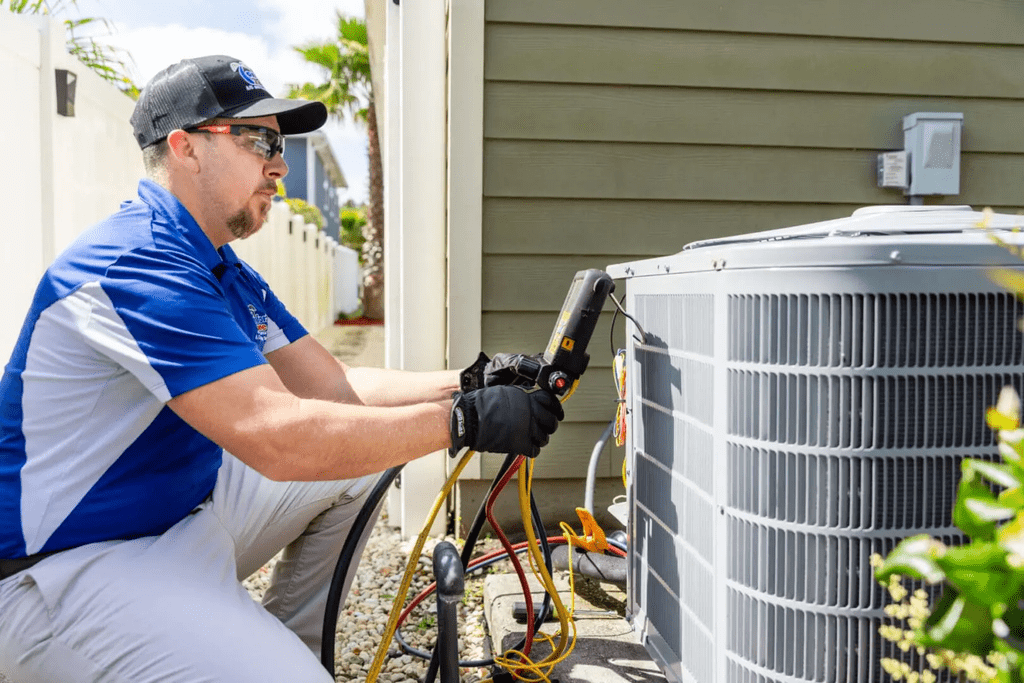
Routine maintenance is one of the most effective ways to support the long-term performance of heating and cooling equipment. Maintenance may include inspecting system components, cleaning appropriate parts, checking electrical connections, evaluating airflow, inspecting drainage, and testing controls.
Filters should also receive appropriate attention. A clogged filter can restrict airflow and cause the system to work harder.
Maintenance schedules vary according to equipment type, usage, property conditions, and manufacturer recommendations. Systems that operate heavily may require more frequent attention than equipment used only occasionally.
An HVAC system can continue operating even when it is developing a problem. A dirty coil, worn component, restricted filter, or electrical issue may initially cause only a small change in performance.Professional maintenance can help identify these issues before they become more serious. Early detection may reduce the likelihood of unexpected breakdowns and help property owners plan repairs.
Maintenance can also help technicians identify aging components and provide recommendations for future replacement. This allows property owners to make decisions based on the actual condition of their equipment rather than waiting for an emergency failure.
Improving Energy Efficiency
Heating and cooling can account for a significant portion of a property’s energy consumption. System efficiency depends on equipment condition, building insulation, ductwork, thermostat settings, outdoor conditions, and other factors.
An HVAC professional can identify issues that may be contributing to unnecessary energy use. Dirty components, restricted airflow, poorly configured controls, and duct problems can all affect performance.Replacing an inefficient system may also provide opportunities for improved energy performance, but replacement should be based on a thorough evaluation rather than a single symptom.
Ductwork distributes conditioned air throughout many buildings. Problems within the duct system can affect comfort even when the heating or cooling equipment itself is functioning correctly.
Leaks, damaged ducts, inadequate insulation, restrictions, or poor design can reduce effective airflow and cause certain rooms to become warmer or cooler than others.An HVAC professional can inspect accessible ductwork and evaluate airflow concerns. In some situations, duct repair, sealing, insulation, or redesign may improve system performance.Proper airflow is important because equipment cannot provide consistent comfort if conditioned air is not distributed effectively.
Thermostat Services
The thermostat acts as an important control point for an HVAC system. If it is inaccurate, improperly configured, or malfunctioning, the system may not operate as expected.
Modern thermostats may provide scheduling, remote control, monitoring, and other features. However, compatibility with the existing HVAC system should be confirmed before installation.A professional can help determine whether an upgraded thermostat is appropriate and configure it correctly.
Indoor comfort involves more than temperature. Air quality can also influence how comfortable and usable a space feels.Depending on the property and HVAC system, indoor air quality services may include filtration improvements, ventilation adjustments, humidity management, and other solutions.
An HVAC professional can evaluate the specific conditions of the property and recommend appropriate measures. It is important to avoid assuming that one product or technology will solve every indoor air quality concern.
Commercial HVAC Services
Commercial buildings often have more complex HVAC requirements than residential properties. Offices, stores, restaurants, warehouses, and other facilities may depend on multiple systems or specialized equipment.An HVAC failure in a commercial building can affect employees, customers, inventory, equipment, and business operations. Preventive maintenance can therefore be particularly valuable.
Commercial service may involve scheduled inspections, filter programs, equipment testing, emergency repairs, controls, ductwork, and system optimization.Businesses should choose providers with experience handling equipment comparable to what is installed on their property.
Heating and cooling failures do not always occur at convenient times. Equipment can stop operating during nights, weekends, or periods of extreme weather.
Some HVAC companies provide emergency repair services for urgent situations. When evaluating such a service, customers should understand response policies and any additional charges that may apply.Not every HVAC issue requires emergency service. However, complete loss of heating or cooling, unusual electrical conditions, serious water leaks, or other potentially hazardous situations may require prompt professional attention.
Replacing an Older HVAC System
Eventually, repairs may no longer be the most practical solution. Older systems may become increasingly difficult to maintain, especially when replacement components are expensive or unavailable.
Frequent breakdowns, declining performance, high operating costs, and major component failures can all be reasons to evaluate replacement.A professional should assess the current system before recommending a new unit. Property owners can then compare expected repair costs, equipment age, operating performance, and replacement options.
A new HVAC system should be appropriately sized for the property rather than selected solely on capacity or price.
Selecting the Right HVAC Equipment
There are many heating and cooling products available, and the right choice depends on the property and its requirements. Factors may include building size, insulation, existing ductwork, climate, energy goals, budget, and desired features.
A professional HVAC company can help compare appropriate options and explain the differences between systems.Homeowners should also consider long-term ownership costs rather than focusing only on the initial purchase price. Installation quality, maintenance requirements, operating expenses, warranties, and expected service life all contribute to the overall value.
Before approving a major HVAC project, customers should request a detailed written estimate. The proposal should explain equipment, labor, installation requirements, accessories, removal of old equipment when applicable, and other relevant charges.For repairs, the estimate should clearly identify the recommended work and associated costs.
Comparing multiple estimates can be useful, but price should not be the only consideration. A lower bid may involve different equipment, fewer services, or less comprehensive installation work.A clear estimate helps customers understand what they are paying for and reduces the likelihood of misunderstandings.
Licensing, Insurance, and Qualifications
HVAC work can involve electrical systems, combustion equipment, refrigerants, pressurized components, and other technical areas. Appropriate training and qualifications are therefore important.Property owners should ask potential contractors about relevant licensing, insurance, certifications, and experience. Requirements vary depending on the type of work and applicable regulations.
A reputable provider should be willing to explain its qualifications and provide documentation when appropriate.Customers should also verify that the company has experience with the specific system involved rather than assuming that all HVAC contractors have identical expertise.
Customer Service and Communication
Technical skill is important, but communication also contributes to a positive service experience. Customers should receive clear explanations about what the technician found, what work is recommended, and why the work may be necessary.
Good communication is especially important when repairs are expensive or when a system needs replacement.
A professional company should be willing to answer questions without using unnecessary technical language to pressure customers into decisions.Clear scheduling, written estimates, service documentation, and follow-up support can also indicate a well-organized operation.
Maintenance Plans and Service Agreements
Some HVAC providers offer recurring maintenance plans. These programs may include scheduled inspections, filter services, priority scheduling, discounts, or other benefits depending on the company.A maintenance agreement can be useful for property owners who prefer a structured approach to HVAC care. Before signing, customers should understand exactly what the agreement includes and what services cost extra.
The ideal maintenance schedule depends on the equipment and operating environment, so a plan should be appropriate for the actual property rather than based solely on a generic package.
HVAC systems can experience a wide range of problems. Common symptoms include weak airflow, uneven temperatures, unusual odors, strange sounds, frequent cycling, water around indoor equipment, and failure to reach the desired temperature.These symptoms can have multiple possible causes. For example, weak airflow may result from a clogged filter, duct restriction, fan problem, or another issue.
Property owners should avoid assuming that a particular symptom always indicates a specific repair. Professional diagnosis is more reliable than replacing components based solely on guesswork.
Safety Considerations
Some HVAC equipment involves combustion, electrical connections, refrigerants, or other potentially hazardous components. Repairs and installation should therefore be handled by appropriately trained professionals.
Homeowners can perform basic tasks such as maintaining accessible filters, but they should avoid opening electrical panels, handling refrigerant, modifying gas connections, or attempting complex mechanical repairs without the necessary qualifications.If unusual burning odors, electrical problems, gas-related concerns, or other potentially dangerous conditions occur, professional evaluation should be sought promptly.
Planning for Long-Term HVAC Performance
Good HVAC management involves more than responding to problems. Property owners can benefit from keeping maintenance records, monitoring system performance, replacing filters as appropriate, and addressing unusual symptoms early.
It is also helpful to know the age and model information of installed equipment. This information can make future service calls easier and help technicians identify compatible components.
Planning ahead can also make eventual replacement less stressful. Instead of waiting for a complete system failure, property owners can evaluate replacement options when equipment begins approaching the end of its useful life.
Conclusion
A reliable heating and cooling system contributes significantly to indoor comfort, energy management, and the everyday operation of a property. Choosing an experienced HVAC company can help property owners maintain that system through professional installation, preventive maintenance, repairs, equipment replacement, airflow improvements, and other specialized services.
When evaluating an HVAC provider, customers should consider technical qualifications, experience, communication, pricing transparency, maintenance options, and familiarity with the specific equipment involved. Detailed estimates and clear explanations can help property owners make informed decisions without focusing solely on the lowest available price.
Regular maintenance is equally important. Filters, coils, electrical components, drainage systems, thermostats, ductwork, and other parts all contribute to overall HVAC performance. Identifying problems early can help reduce unexpected failures and support more reliable operation.
For businesses, dependable HVAC service can also protect daily operations by helping maintain comfortable conditions for employees, customers, equipment, and inventory. Residential property owners can benefit from the same proactive approach by keeping systems properly serviced and addressing warning signs promptly.
Ultimately, the right HVAC company should provide more than emergency repairs. A strong service provider can become a long-term partner in maintaining, improving, and planning for the future of a property’s heating and cooling system. With professional installation, timely repairs, regular maintenance, and informed equipment decisions, property owners can create a more comfortable and dependable indoor environment throughout the year.