Everything You Need to Know About Taking Aciclovir for Cold Sores: Benefits, Dosage, and FAQs
Table of Contents
1. Understanding Cold Sores: The Basics
2. What is Aciclovir and How Does it Work?
3. The Benefits of Using Aciclovir for Cold Sores
4. Different Forms of Aciclovir: Oral vs. Topical
5. Proper Dosage and Administration for Optimal Results
6. When to Start Treatment: The Golden Window
7. Potential Side Effects and Precautions
8. Frequently Asked Questions About Aciclovir and Cold Sores
9. Maximizing Effectiveness: Lifestyle Tips Alongside Aciclovir
10. Beyond Treatment: Preventing Future Outbreaks
1. Understanding Cold Sores: The Basics
Cold sores, also known as fever blisters, are a common viral infection caused by the herpes simplex virus type 1 (HSV-1). They typically appear as small, fluid-filled blisters on or around the lips, though they can sometimes emerge on other facial areas. While generally harmless, cold sores can be painful, unsightly, and highly contagious, leading to significant discomfort and self-consciousness for those who experience them. The initial infection with HSV-1 often occurs during childhood and may present with no symptoms or mild flu-like symptoms. After this primary infection, the virus lies dormant in the nerve cells, specifically the trigeminal ganglion, and can reactivate periodically, leading to recurrent cold sore outbreaks.
Triggers for these reactivations are varied and can include stress, fatigue, fever, illness, hormonal changes (such as menstruation), exposure to sunlight or wind, and even minor skin trauma. Understanding these triggers is a crucial first step in managing and potentially preventing future outbreaks. Recognizing the early signs of a cold sore, often described as a tingling, itching, or burning sensation around the lips, is equally important. This prodromal stage is the ideal time to initiate treatment, as early intervention can significantly reduce the severity and duration of an outbreak. While there is no cure for HSV-1, antiviral medications like Aciclovir are highly effective in managing symptoms and accelerating healing.
2. What is Aciclovir and How Does it Work?
Aciclovir is an antiviral medication specifically designed to combat infections caused by various herpes viruses, including herpes simplex virus type 1 (HSV-1) which causes cold sores, and herpes simplex virus type 2 (HSV-2) which causes genital herpes. It belongs to a class of drugs known as synthetic nucleoside analogues. The mechanism of action for Aciclovir is quite clever and targeted. Once Aciclovir enters the body, it is converted into its active form primarily within cells infected with the herpes virus. This conversion process relies on an enzyme called thymidine kinase, which is present in much higher concentrations in virus-infected cells compared to healthy cells. This selectivity means that Aciclovir primarily targets the viral replication process, minimizing harm to uninfected cells.
The active form of Aciclovir then interferes with viral DNA polymerase, an enzyme essential for the herpes virus to replicate its genetic material. By mimicking a natural building block of DNA, Aciclovir gets incorporated into the growing viral DNA strand, effectively terminating its synthesis. This process prevents the virus from multiplying and spreading, thereby reducing the severity and duration of the cold sore outbreak. It is important to note that Aciclovir does not eliminate the latent virus from the body; it only acts during periods of active viral replication. For individuals seeking convenient access to effective cold sore treatment, services like Post My Meds offer prescription Aciclovir delivered directly to their door, streamlining the process of obtaining necessary medication.
3. The Benefits of Using Aciclovir for Cold Sores
The benefits of taking Aciclovir for cold sores are substantial, particularly when treatment is initiated promptly. The primary advantage is its ability to significantly shorten the duration of an outbreak. Studies have shown that when taken at the first sign of a tingling sensation, Aciclovir can reduce healing time by several days. This means less pain, less discomfort, and a quicker return to normal appearance.
Beyond accelerating healing, Aciclovir also helps to reduce the severity of symptoms. This includes alleviating pain, itching, and burning sensations associated with cold sores. For many, the physical discomfort of a cold sore is as bothersome as its appearance, and Aciclovir provides much-needed relief. Furthermore, by limiting viral replication, the medication can help prevent the cold sore from progressing to its full blister stage, or at least minimize the size and number of blisters that form. This can lead to less visible sores and a reduced risk of spreading the virus to others. In cases of frequent or severe recurrences, a healthcare professional might prescribe Aciclovir as suppressive therapy, taken daily to prevent outbreaks altogether. This proactive approach can dramatically improve the quality of life for individuals plagued by chronic cold sores.
4. Different Forms of Aciclovir: Oral vs. Topical
Aciclovir is available in several formulations, with the most common for cold sores being oral tablets and topical creams. Each form has its own advantages and specific use cases.
Oral Aciclovir
Oral Aciclovir, typically in tablet or capsule form, is generally considered more effective for cold sores, especially when taken early. When ingested, the medication is absorbed into the bloodstream and distributed throughout the body, reaching the virus wherever it may be replicating. This systemic action makes it particularly potent for treating widespread outbreaks or for individuals who experience frequent, severe, or multiple cold sores simultaneously. Oral Aciclovir is usually prescribed in specific dosages and durations, often for 5 to 10 days depending on the severity and frequency of outbreaks. For those prone to frequent cold sores, a doctor might recommend a higher dose taken over a shorter period, or a lower daily dose for suppressive therapy.
Topical Aciclovir
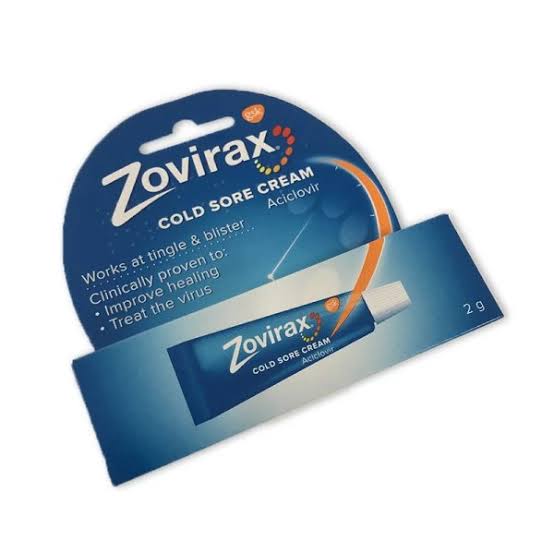
Topical Aciclovir, available as a cream, is applied directly to the cold sore lesion. Its primary advantage is localized treatment, meaning it acts directly at the site of the infection. While topical creams can help reduce healing time and alleviate symptoms like itching and tingling, they are generally less effective than oral formulations, particularly for preventing the cold sore from fully developing. Topical treatments are often most beneficial during the prodromal stage, when the tingling or itching sensation begins, before the blister has fully formed. They need to be applied frequently, often 5 times a day for 4 to 5 days, to be effective. Many individuals find topical creams convenient for mild, infrequent outbreaks, or as an adjunct to oral therapy for maximum relief. The choice between oral and topical Aciclovir often depends on the individual’s history of outbreaks, their severity, and personal preference, always in consultation with a healthcare provider.
5. Proper Dosage and Administration for Optimal Results
Achieving optimal results with Aciclovir for cold sores hinges significantly on proper dosage and timely administration. The exact dosage and duration of treatment will be determined by a healthcare professional, taking into account factors such as the severity of the outbreak, the patient’s medical history, and whether it’s a primary infection or a recurrent episode.
Oral Aciclovir Dosage
For most recurrent cold sore outbreaks, a common regimen involves taking Aciclovir tablets at a dose of 200 mg five times a day for five days. Alternatively, some doctors might prescribe 400 mg three times a day for five days, or even a single high dose of 800 mg twice a day for one day, particularly if initiated very early. It is absolutely critical to start taking the medication at the very first sign of a cold sore, such as a tingling, itching, or burning sensation. This “golden window” for intervention is paramount; delaying treatment can significantly reduce its effectiveness. The tablets should be swallowed whole with water, with or without food. It is also important to complete the full course of medication, even if the cold sore appears to be healing, to ensure maximum viral suppression and prevent recurrence.
Topical Aciclovir Administration
For topical Aciclovir cream, the recommended application is typically five times a day, approximately every four hours, for four to five days. The cream should be applied thinly to the affected area and the immediate surrounding skin. It is important to wash your hands thoroughly before and after applying the cream to prevent spreading the virus to other parts of your body or to other people. Just like with oral medication, topical treatment is most effective when applied at the earliest sign of a cold sore. While topical forms offer localized relief, for more robust treatment, oral Aciclovir is often preferred. Always adhere strictly to the instructions provided by your doctor or pharmacist, as deviations can compromise the treatment’s efficacy.
6. When to Start Treatment: The Golden Window
The timing of Aciclovir treatment is arguably the most critical factor in its success. There is a “golden window” for intervention that, if missed, can significantly diminish the medication’s ability to halt or minimize a cold sore outbreak. This window occurs during the prodromal stage, which is the period before any visible blisters appear.
This stage is characterized by specific sensations around the lip area where the cold sore is about to emerge. These include:
1. A tingling sensation
2. Itching
3. Burning
4. Numbness
5. A feeling of tightness or throbbing
These symptoms are the earliest indicators that the herpes simplex virus is reactivating and beginning to replicate. Starting Aciclovir, whether oral or topical, during this phase can significantly alter the course of the outbreak. When taken at the tingling stage, Aciclovir can sometimes prevent the cold sore from appearing altogether or at least ensure it is much smaller, less painful, and resolves more quickly. If treatment is delayed until blisters have already formed or crusted over, Aciclovir’s effectiveness is considerably reduced, as the viral replication has already largely occurred. Therefore, individuals who frequently experience cold sores should be vigilant about recognizing these early signs and have Aciclovir readily available for immediate use. Your healthcare provider, or a service like Post My Meds, can ensure you have a prescription on hand for when these crucial early symptoms arise.
7. Potential Side Effects and Precautions
While Aciclovir is generally well-tolerated, like all medications, it can cause side effects. It is important to be aware of these and to consult a healthcare professional if any become severe or concerning.
Common Side Effects
For oral Aciclovir, common side effects are usually mild and temporary. These can include:
1. Headache
2. Nausea
3. Vomiting
4. Diarrhea
5. Abdominal pain
6. Dizziness
7. Fatigue
Topical Aciclovir cream can sometimes cause localized reactions at the application site, such as:
1. Mild stinging or burning
2. Dry or flaky skin
3. Itching
4. Redness
Less Common or Serious Side Effects
More serious side effects are rare but can occur. These might include:
1. Allergic reactions (rash, itching, swelling, severe dizziness, trouble breathing)
2. Kidney problems (changes in urination, swelling in ankles/feet)
3. Neurological symptoms (confusion, hallucinations, seizures)
If you experience any of these serious side effects, seek immediate medical attention.
Precautions
Several precautions should be considered before taking Aciclovir:
1. Kidney Function: Individuals with impaired kidney function may require a reduced dosage, as Aciclovir is primarily excreted through the kidneys.
2. Hydration: It is important to stay well-hydrated while taking oral Aciclovir to help prevent kidney issues.
3. Pregnancy and Breastfeeding: Consult your doctor before using Aciclovir if you are pregnant, planning to become pregnant, or breastfeeding. While generally considered safe, the benefits and risks should be carefully weighed.
4. Drug Interactions: Inform your doctor about all other medications you are taking, including over-the-counter drugs, supplements, and herbal remedies, as some can interact with Aciclovir. For example, probenecid, used for gout, can increase Aciclovir levels in the body.
5. Immuno-compromised Individuals: People with weakened immune systems (e.g., HIV/AIDS patients, transplant recipients) may require different dosages or closer monitoring.
Always follow your doctor’s advice and read the patient information leaflet provided with your medication.
8. Frequently Asked Questions About Aciclovir and Cold Sores
Navigating cold sore treatments can lead to many questions. Here are some of the most frequently asked questions about Aciclovir and its use for cold sores.
How quickly does Aciclovir work?
Aciclovir works best when taken at the very first sign of a cold sore (the tingling or itching stage). When started promptly, it can significantly reduce the duration of an outbreak, often by a few days. For some, it may even prevent the blister from fully forming.
Can Aciclovir prevent cold sores?
While Aciclovir cannot cure the herpes simplex virus, it can be used as a suppressive therapy to prevent recurrent outbreaks in individuals who experience frequent or severe cold sores. This involves taking a lower dose daily as prescribed by a doctor. For acute outbreaks, it helps to prevent the cold sore from progressing or reduces its severity.
Is Aciclovir contagious while taking it?
Aciclovir treats the symptoms and reduces viral shedding, but it does not eliminate the virus. Therefore, you can still transmit the virus to others, especially when a cold sore is active. It is crucial to avoid close contact, kissing, and sharing utensils or towels during an outbreak, even while on medication.
Can children take Aciclovir for cold sores?
Aciclovir can be prescribed for children, but the dosage will be adjusted based on their age and weight. Always consult a pediatrician before administering Aciclovir to a child.
What if I miss a dose of oral Aciclovir?
If you miss a dose, take it as soon as you remember. However, if it’s almost time for your next scheduled dose, skip the missed dose and continue with your regular dosing schedule. Do not take a double dose to make up for a missed one. Consistency is key for optimal results.
Can I buy Aciclovir over the counter?
In some regions, lower-strength topical Aciclovir creams might be available over the counter. However, oral Aciclovir, which is generally more effective, typically requires a prescription. Services like Post My Meds can facilitate access to prescription-strength oral Aciclovir after a proper consultation.
Does Aciclovir interact with alcohol?
There are no known direct interactions between Aciclovir and alcohol. However, alcohol can sometimes weaken the immune system, which might be a trigger for cold sore outbreaks in some individuals. It’s generally advisable to consume alcohol in moderation while recovering from any illness.
9. Maximizing Effectiveness: Lifestyle Tips Alongside Aciclovir
While Aciclovir is a powerful tool against cold sores, its effectiveness can be significantly enhanced by incorporating certain lifestyle practices. A holistic approach to managing cold sores often yields the best results.
Identify and Avoid Triggers
One of the most proactive steps you can take is to identify and, where possible, avoid your personal cold sore triggers. Keep a journal to note potential triggers such as stress, specific foods, excessive sun exposure, or illness. Once identified, you can take measures to minimize your exposure. For instance, if sunlight is a trigger, use lip balm with SPF. If stress is a factor, practice stress-reducing techniques like meditation or yoga.
Boost Your Immune System
A robust immune system is your body’s best defense against viral reactivations. Ensure you maintain a healthy lifestyle by:
1. Eating a Balanced Diet: Focus on nutrient-rich foods, particularly those high in lysine (found in dairy, fish, chicken, and legumes), which some studies suggest may inhibit HSV-1 replication. Conversely, some people find that foods high in arginine (like nuts, chocolate, and oats) can trigger outbreaks, though scientific evidence for this is mixed.
2. Getting Adequate Sleep: Lack of sleep can weaken your immune system, making you more susceptible to outbreaks.
3. Regular Exercise: Moderate exercise can boost immune function.
4. Managing Stress: Chronic stress is a known trigger for many viral reactivations. Implement stress-reduction techniques into your daily routine.
Practice Good Hygiene
During an outbreak, strict hygiene practices are crucial to prevent the spread of the virus to other parts of your body or to other people.
1. Avoid touching your cold sore as much as possible.
2. Wash your hands thoroughly with soap and water before and after applying topical Aciclovir or touching the lesion.
3. Do not share eating utensils, towels, razors, or other personal items.
4. Avoid kissing or intimate contact with others when you have an active cold sore.
Combining these preventative and supportive measures with the prescribed use of Aciclovir provides a comprehensive strategy for managing and minimizing the impact of cold sores, allowing for greater comfort and confidence.
10. Beyond Treatment: Preventing Future Outbreaks
Successfully treating a current cold sore with Aciclovir is a significant step, but a truly comprehensive approach extends to actively working towards preventing future outbreaks. Understanding the nature of the herpes simplex virus and adopting long-term strategies can dramatically reduce the frequency and severity of recurrences.
Understanding the Latent Virus
The HSV-1 virus, once contracted, resides latently in the nerve ganglia. This means it’s always present, even when you don’t have a visible cold sore. Prevention focuses on keeping the virus dormant and minimizing the factors that can provoke its reactivation.
Proactive Strategies for Prevention
1. Sun Protection: Ultraviolet (UV) radiation from the sun is a common trigger. Always use a lip balm with a high SPF (Sun Protection Factor) when outdoors, even on cloudy days, and consider wearing a wide-brimmed hat.
2. Stress Management: Chronic stress is a powerful immunosuppressant and a major cold sore trigger. Incorporate stress-reducing activities such into your daily routine. This could include mindfulness meditation, deep breathing exercises, spending time in nature,