
Breathing Easier: Effective Indoor Air Quality Solutions for Your Home
Introduction: The Invisible Impact of Modern Indoor Environments
We spend a lot of time inside our homes, and the quality of the air we breathe directly affects our health and comfort. Poor indoor air can bring unwelcome guests like allergens, dust, and even hidden pollutants, making it harder to truly relax and feel well. Many factors influence indoor air quality, from filtration to ventilation, but one often overlooked aspect is how effectively your home’s HVAC system manages temperature extremes. Maintaining stable indoor temperatures, even during the harshest winters or hottest summers, is key to controlling humidity and preventing stale air, which are vital components of a healthy indoor environment. This guide will explore how advanced systems, like those from Mitsubishi, ensure your home stays perfectly conditioned, contributing to cleaner air and helping you breathe easier year-round. For comprehensive indoor air quality services that include robust temperature management, understanding these innovations is key.
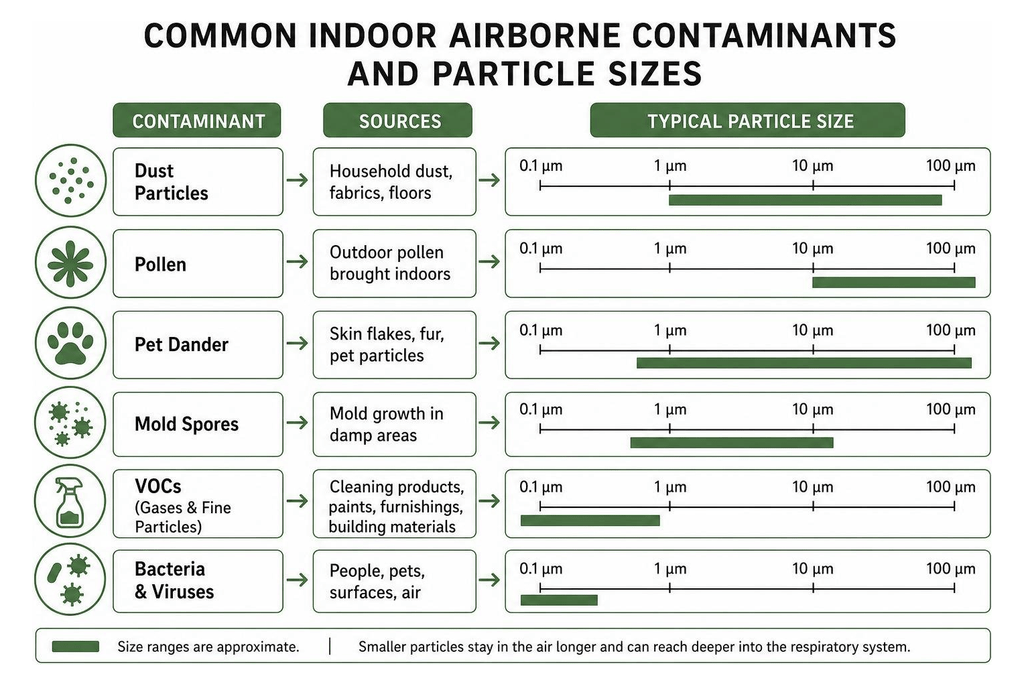
The air inside our homes can often be more polluted than the air outside. This invisible threat stems from a variety of sources: everyday activities like cooking and cleaning, building materials, furnishings, and even our pets. These contribute to a cocktail of airborne pollutants, including dust, pollen, pet dander, mold spores, volatile organic compounds (VOCs) from household products, and even bacteria and viruses. The tight building envelopes of modern, energy-efficient homes, while great for thermal performance, can inadvertently trap these contaminants, leading to poor indoor air quality (IAQ).
The consequences of compromised IAQ are far-reaching, impacting everything from respiratory health and allergy symptoms to overall comfort and productivity. Symptoms can range from mild irritation—such as sneezing, coughing, and headaches—to more severe, long-term health issues. Effective IAQ management, therefore, isn’t just about comfort; it’s about safeguarding the well-being of everyone under your roof.
A critical, yet often underestimated, component of maintaining superior IAQ is the ability of your heating, ventilation, and air conditioning (HVAC) system to consistently manage indoor temperatures, regardless of the conditions outside. When an HVAC system struggles with extreme cold or heat, it can lead to temperature fluctuations, increased humidity, and reduced airflow, all of which negatively impact air quality. For instance, inconsistent heating in winter can create cold spots where condensation and mold can thrive, while inadequate cooling in summer can lead to excessive humidity, providing a breeding ground for dust mites and mildew.
Advanced HVAC technologies, such as those found in Mitsubishi systems, are engineered to perform reliably even in the most challenging climates. Their ability to maintain precise temperature control and efficient operation across a wide range of outdoor temperatures directly supports a healthier indoor environment. By ensuring stable thermal conditions, these systems help to optimize the performance of filtration and purification devices, control humidity, and facilitate consistent air exchange. This holistic approach ensures that the air you breathe at home is not only comfortable but also clean and healthy.
Comprehensive Indoor Air Quality Solutions for Modern Homes
Addressing indoor pollutants requires a whole-home approach, integrating various environmental controls to achieve optimal health benefits. Modern HVAC systems are no longer just about heating and cooling; they are central to creating a healthy indoor ecosystem. The key is to understand how different IAQ solutions work together, and how the underlying thermal management system supports their effectiveness.
For example, if your heating system struggles to maintain a consistent temperature when outdoor conditions plummet, it can lead to cold spots and an increase in relative humidity. This creates an ideal environment for mold growth, even if you have excellent air filtration. Conversely, if your cooling system can’t efficiently remove heat during a scorching summer, it can result in high indoor humidity, fostering dust mites and bacterial growth. This highlights the crucial role of a robust, all-season HVAC system in supporting comprehensive IAQ.
Advanced Whole-Home Indoor Air Quality Solutions and Filtration
Filtration is the first line of defense against airborne particulates. Whole-home filtration systems work by trapping contaminants as air circulates through your HVAC ducts. The effectiveness of these filters is measured by their Minimum Efficiency Reporting Value (MERV) rating, with higher numbers indicating greater filtration capability.
- HEPA Filtration (High-Efficiency Particulate Air): These filters are the gold standard, capable of capturing 99.97% of airborne particles 0.3 microns in size, including dust, pollen, mold spores, and even some bacteria and viruses. While true HEPA filters are often too restrictive for standard residential HVAC systems, HEPA-like media air cleaners with high MERV ratings (13-16+) offer excellent particulate capture without impeding airflow significantly.
- Media Air Cleaners: These are typically thicker, pleated filters that provide a much larger surface area than standard disposable filters, allowing them to capture more particles and last longer.
- Electrostatic Filters: These use static electricity to attract and trap airborne particles. Some are washable and reusable, offering a cost-effective solution.
For these advanced filtration systems to work effectively, consistent air circulation is paramount. This is where the performance of your HVAC system in extreme temperatures becomes a critical factor. Systems equipped with variable-speed compressors and Hyper-Heating INVERTER technology, such as those offered by Mitsubishi, are designed to maintain heating capacity even when temperatures drop significantly. For instance, H2i systems deliver 100% heating capacity down to 5°F and continue operating effectively down to -13°F, while newer H2i Plus systems maintain 100% capacity down to -5°F and provide usable heating down to -22°F. This consistent operation ensures a steady flow of air through your filtration system, continuously removing contaminants and preventing the buildup of pollutants, regardless of how harsh the weather outside becomes. Without this reliable thermal performance, filtration efforts would be compromised by intermittent operation or reduced airflow during peak demand.
Active Purification and Specialized Indoor Air Quality Solutions
Beyond filtration, active purification technologies target microscopic pollutants and pathogens that filters might miss. These systems often work in conjunction with your HVAC system’s airflow to treat the air throughout your home.
- UV Germicidal Irradiation (UVGI): UV lamps are installed within the HVAC system, typically near the evaporator coil or in the ductwork, to kill mold, bacteria, and viruses as they pass by. This is particularly effective at preventing microbial growth on damp coils.
- Bipolar Ionization: These systems introduce positive and negative ions into the airstream. These ions attach to airborne particles, making them larger and easier for filters to capture, and also neutralize odors and pathogens.
- VOC Neutralization and Photocatalytic Oxidation (PCO): PCO systems use UV light and a titanium dioxide catalyst to create hydroxyl radicals that break down VOCs, odors, and other airborne contaminants into harmless water vapor and carbon dioxide.
The efficacy of these active purification methods is significantly enhanced by continuous and consistent air circulation—a direct benefit of HVAC systems designed for extreme temperature performance. When a system can maintain stable indoor temperatures efficiently, it operates more consistently, ensuring that air is constantly moving through the purification devices. This means more air is treated more often, leading to a more thorough reduction of pathogens, VOCs, and odors. Mitsubishi’s Hyper-Heating INVERTER technology, for example, allows for precise temperature control and minimizes on/off cycling, which is ideal for maintaining the steady airflow necessary for optimal active purification. This continuous operation, even when facing outdoor temperatures as low as -22°F, ensures that your home’s air is not just heated or cooled, but actively and consistently purified, contributing to a truly healthy living environment.
Optimizing Ventilation and Fresh Air Exchange Systems
While filtration and purification deal with contaminants already inside, ventilation is about bringing in fresh outdoor air and expelling stale indoor air. In modern, tightly sealed homes, mechanical ventilation is crucial to prevent the buildup of carbon dioxide, VOCs, and other pollutants.
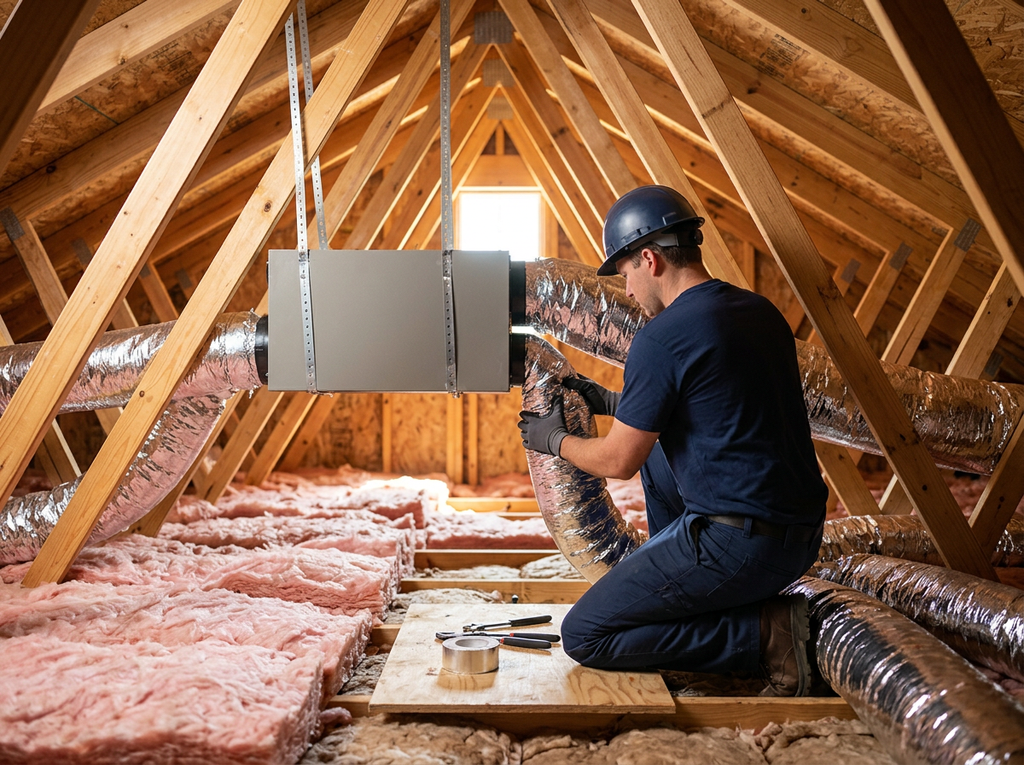
Mechanical ventilation systems, such as exhaust fans or whole-house ventilation systems, ensure a balanced airflow, preventing negative or positive pressure issues that can lead to moisture problems or uncontrolled air infiltration. The air exchange rate—how often the air in your home is completely replaced—is a key metric for effective ventilation. Without adequate fresh air, indoor pollutants can accumulate, leading to “sick building syndrome” symptoms.
Balancing Energy Efficiency and Fresh Air Intake
Introducing fresh air into a home, especially in extreme climates, can be an energy-intensive process. Bringing in frigid winter air or hot, humid summer air directly can significantly increase the load on your heating or cooling system. This is where heat recovery ventilators (HRVs) and energy recovery ventilators (ERVs) become invaluable.
- Heat Recovery Ventilators (HRVs): HRVs transfer heat between the incoming fresh air and the outgoing stale air. In winter, they capture heat from the exhaust air to warm the incoming cold air, reducing the heating load. In summer, they work in reverse, transferring heat from the incoming warm air to the outgoing cool air. HRVs primarily handle sensible heat transfer.
- Energy Recovery Ventilators (ERVs): ERVs go a step further than HRVs by transferring both sensible heat and latent energy (moisture). This means that in humid climates, an ERV can transfer moisture from the incoming fresh air to the outgoing stale air, reducing the dehumidification load on your air conditioner. In dry climates, it can transfer moisture from the outgoing humidified air to the incoming dry air, reducing the humidification load.
The core efficiency of these systems is crucial for maintaining good IAQ without incurring exorbitant energy costs. This efficiency is directly supported by the robust performance of your primary HVAC system in extreme temperatures. Mitsubishi’s advanced heat pumps, with their high Coefficients of Performance (COPs) even at very low temperatures, make it economically viable to run ventilation systems continuously. For instance, models like the MXZ-4C36NAHZ can achieve a COP of 2.12 at -13°F, meaning they deliver over twice the heat energy for every unit of electricity consumed. Similarly, the MSZ-FS09NA-U1 system maintains a COP of 1.71 at -13°F. These impressive figures mean that your home’s primary heating system can efficiently maintain comfortable temperatures, allowing HRVs and ERVs to operate optimally to provide fresh air without placing an undue burden on your energy bills. This synergy ensures that you can enjoy both superior IAQ and energy efficiency, even during the most demanding weather conditions in September 2026.
Managing Humidity Levels for Health and Structural Protection
Humidity control is a cornerstone of effective indoor air quality management. Both excessively high and excessively low humidity levels can lead to a host of problems, affecting not only our health and comfort but also the structural integrity of our homes.
High relative humidity (above 60%) creates an ideal environment for the proliferation of mold, mildew, dust mites, bacteria, and viruses. Mold spores can trigger allergies, asthma attacks, and other respiratory issues, while dust mites thrive in damp conditions, exacerbating allergy symptoms. Furthermore, prolonged high humidity can damage wooden structures, encourage pest infestations, and lead to musty odors. Conversely, very low humidity (below 30%) can cause dry skin, irritated nasal passages, static electricity, and can even damage wood furniture and floors, causing them to crack or warp.
Whole-house dehumidification and humidification systems are designed to maintain optimal relative humidity levels year-round.
- Whole-House Dehumidification: These systems work independently or in conjunction with your air conditioning to remove excess moisture from the air. They are particularly beneficial in humid climates or during shoulder seasons when temperatures are mild but humidity remains high.
- Steam Humidifiers: For dry climates or during heating seasons, steam humidifiers introduce pure, sterile steam into the air, effectively raising humidity levels to a comfortable and healthy range.
The ability of your HVAC system to handle extreme temperatures directly impacts its capacity for effective humidity management. A system that struggles in the cold might lead to uneven heating, creating cold surfaces where condensation can form, fostering mold growth. In contrast, a system that can consistently maintain a set temperature, like Mitsubishi’s Hyper-Heating INVERTER models, provides stable conditions that prevent such issues.
Integrating Moisture Control with Central Climate Systems
Modern HVAC systems integrate sophisticated moisture control mechanisms. In cooling mode, the evaporator coil naturally dehumidifies the air as moisture condenses on its cold surface. Effective condensate drainage is crucial to prevent water buildup and potential microbial growth. Smart hygrostats, which monitor indoor humidity levels, can automatically trigger dehumidification or humidification as needed, ensuring continuous optimal conditions. Continuous fan circulation, often at a low speed, also helps to distribute conditioned air evenly and prevent pockets of high humidity.
Mitsubishi’s advanced systems are particularly adept at integrated moisture control due to their variable-speed operation and robust performance in extreme conditions. During cooling, their precise modulation allows for longer run times at lower capacities, which is highly effective for dehumidification. This contrasts with older, single-stage systems that cycle on and off frequently, often failing to remove enough moisture before the thermostat is satisfied.
In heating mode, especially in very cold temperatures, the outdoor unit of a heat pump will inevitably form frost, requiring defrost cycles. How these cycles are managed is critical for continuous operation and, by extension, consistent thermal and humidity control. Mitsubishi’s innovative approach to defrost cycles, as detailed in various technical specifications, often involves smart algorithms and even reversing the load-side fan direction to pull warm interior air across the coils. This speeds up the defrost process and minimizes the time the system is not actively heating, ensuring a quicker return to optimal operation and preventing temperature and humidity fluctuations. Furthermore, features like base pan heaters in H2i Plus models ensure that melted frost drains properly, preventing ice buildup that could impede system performance in freezing conditions. By maintaining efficient operation and stable indoor temperatures even when it’s -22°F outside, these systems provide a consistent foundation for managing humidity, preventing the conditions that lead to poor IAQ.
Humidity Range Health Impacts Structural Impacts Below 30% Dry skin, irritated sinuses, increased susceptibility to colds/flu, static electricity Wood shrinkage, cracking furniture/floors, damage to electronics 30-50% Optimal comfort, reduced allergen/pathogen survival Preserves wood, minimizes static, ideal for electronics Above 60% Increased dust mites, mold/mildew growth, bacterial/viral proliferation, respiratory issues Wood swelling, paint peeling, musty odors, pest attraction Frequently Asked Questions About Home Air Quality
Homeowners often have specific questions about maintaining peak air quality. Here, we address some common concerns, linking them back to the foundational role of a high-performing HVAC system.
What is the most effective way to eliminate airborne allergens?
Eliminating airborne allergens involves a multi-pronged approach:
- High-Efficiency Filtration: As discussed, installing a high MERV-rated filter (MERV 11-13 or higher) in your HVAC system is crucial. These filters capture a significant percentage of common allergens like pollen, pet dander, and dust mite particles.
- Source Removal: Reducing allergen sources is key. This includes regular cleaning, vacuuming with a HEPA-filtered vacuum, washing bedding frequently in hot water, and minimizing carpets and upholstered furniture.
- Regular Filter Replacement: Even the best filters become less effective when clogged. Adhering to manufacturer recommendations for filter replacement (typically every 1-3 months) is vital.
- Duct Cleaning: Periodically cleaning your HVAC ductwork can remove accumulated dust, mold, and other debris that can be recirculated into your home.
For these strategies to be maximally effective, your HVAC system needs to operate consistently and efficiently. Mitsubishi’s Hyper-Heating INVERTER systems, with their ability to maintain heating capacity even at extremely low temperatures (e.g., 100% capacity down to 5°F for H2i and -5°F for H2i Plus), ensure continuous airflow through your filtration system. This constant air movement means allergens are consistently being captured and removed from your indoor environment, rather than settling and recirculating. Their variable-speed technology also allows for longer, quieter run times at lower capacities, which is ideal for continuous air filtration without significant energy consumption, contributing to a consistently allergen-reduced home.
How often should whole-home air purification components be serviced?
The servicing schedule for whole-home air purification components varies depending on the specific technology:
- Filter Maintenance: For media air cleaners and electrostatic filters, regular checking and replacement (or cleaning for reusable types) is essential, typically every 3-12 months depending on usage and household conditions.
- Annual Bulb Replacement: UV germicidal lamps have a finite lifespan, usually around 9,000 hours, meaning they need to be replaced annually to ensure they continue to emit effective germicidal UV-C light. Even if the bulb still glows, its germicidal intensity may have diminished.
- Sensor Calibration: Systems with advanced sensors for VOCs or particulate matter may require occasional calibration to ensure accurate readings and optimal operation.
- Seasonal Inspections: It’s a good practice to have all IAQ components inspected during your annual or bi-annual HVAC maintenance checks. This ensures all parts are functioning correctly and that the system is clean and efficient.
The reliability of your primary HVAC system directly impacts the longevity and effectiveness of these purification components. A system that performs consistently, even in extreme temperatures, experiences less stress and provides a stable environment for IAQ devices. For instance, Mitsubishi’s systems are designed for robust operation down to -13°F or even -22°F, ensuring that the entire HVAC system, including its IAQ accessories, operates smoothly without undue strain. This consistent performance means fewer unexpected issues and a more predictable maintenance schedule for your purification components, allowing them to continuously contribute to healthier air.
Can upgrading HVAC airflow improve overall indoor air quality?
Absolutely. Upgrading HVAC airflow can dramatically improve overall indoor air quality by enhancing filtration, circulation, and the effectiveness of purification systems.
- Variable-Speed Blowers: Modern variable-speed blowers, often found in advanced heat pump systems like Mitsubishi’s, can precisely control the volume of air moving through your ductwork. This allows for continuous, low-speed fan operation, which is ideal for constant air filtration and circulation. Instead of simply turning on and off, the fan can run nearly continuously at a lower, quieter setting, ensuring air is constantly passing through your filters and purification devices.
- Static Pressure: Proper airflow depends on correctly sized ductwork and minimal static pressure. An upgrade might involve addressing duct leaks, obstructions, or undersized ducts to ensure air moves freely and efficiently throughout the home.
- Continuous Filtration: With a variable-speed blower, you can set your fan to run continuously at a low speed, providing 24/7 air filtration. This constant movement ensures that more air is treated over time, leading to a significant reduction in airborne contaminants.
- Consistent Air Movement: Improved airflow eliminates stagnant air pockets and ensures that conditioned and purified air reaches every corner of your home, promoting uniform temperature and humidity control, both vital for good IAQ.
Mitsubishi’s cold-climate heat pumps, with their Hyper-Heating INVERTER technology, are particularly well-suited to maximize the benefits of improved airflow for IAQ. Their ability to maintain high heating capacity even when outdoor temperatures plunge (e.g., 100% capacity at -5°F for H2i Plus models) means the system can reliably provide consistent thermal comfort. This reliability, combined with variable-speed blowers, allows homeowners to utilize continuous fan operation for superior air filtration and circulation without worrying about the system struggling or incurring excessive energy costs. A consistent, well-managed airflow is foundational to a truly healthy indoor environment, and advanced HVAC systems are key to achieving it.
Conclusion: Creating a Healthier Living Environment
In September 2026, the importance of a healthy indoor environment has never been clearer. Our homes are our sanctuaries, and the quality of the air we breathe within them directly impacts our well-being. Creating a healthier living environment demands a comprehensive air strategy that integrates advanced filtration, active purification, optimized ventilation, and precise humidity control.
At the heart of this strategy lies a robust and efficient HVAC system capable of maintaining consistent thermal comfort, even in the face of extreme outdoor temperatures. Systems like those offered by Mitsubishi, with their Hyper-Heating INVERTER technology and ability to deliver full heating capacity in sub-zero conditions, are foundational to achieving superior indoor air quality. Their variable-speed compressors and advanced controls ensure continuous air circulation, efficient filtration, and stable humidity levels, all while operating with impressive energy efficiency. Whether it’s maintaining 100% heating capacity at -5°F or achieving high COPs at -13°F, these systems provide the reliable performance necessary to support every aspect of an IAQ strategy.
By choosing advanced HVAC solutions and committing to proactive maintenance, homeowners can ensure their indoor air is not just comfortable, but truly clean and healthy. This holistic approach to thermal comfort and indoor air quality is an investment in long-term wellness, allowing us all to breathe easier and enjoy our homes to the fullest.