Do You Still Need Moisturizer in Humid Weather? Image Skincare Experts Weigh In
Why Summer Conditions Throw Skin Off Balance
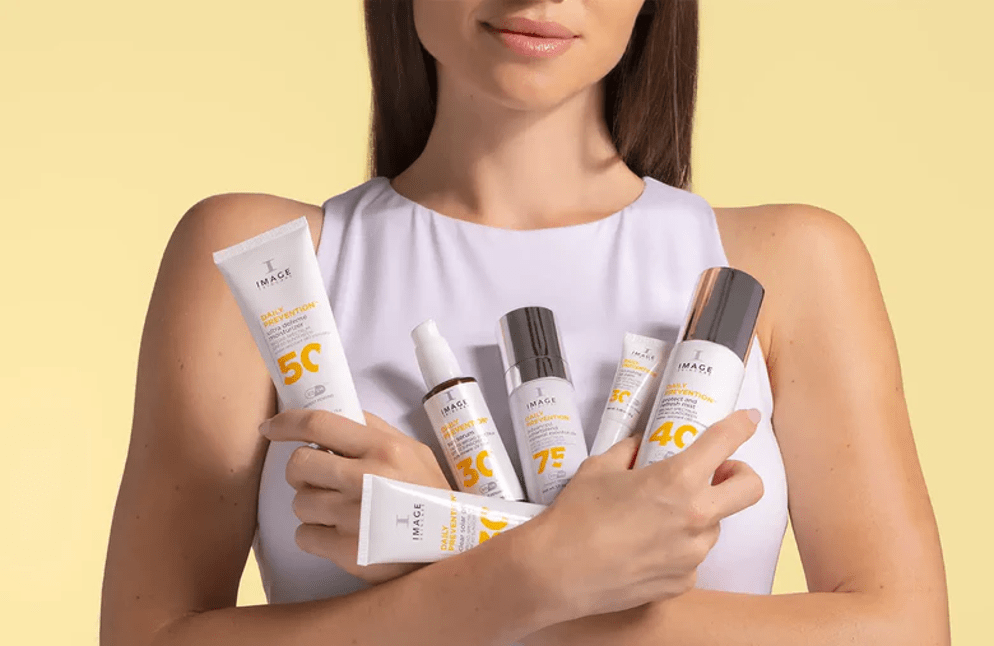
Summer puts your skin through more than just heat. Sweat, oil, sunscreen and repeated cleansing all stress your skin’s defenses throughout the day. By the afternoon, your skin may look shiny, feel heavy or start to break out. Then air conditioning strips moisture the moment you step inside. Switching between outdoor heat and cool indoor air makes it harder for skin to hold steady. Lighter products like IMAGE MD® Moisturizer support your skin without adding buildup.
Over-cleansing adds to the problem. Most people wash more often in summer because skin feels dirty faster. But cleansing too frequently strips the lipids your barrier needs. Your skin responds by producing more oil to fill the gap, which can make summer skin seem oilier when moisturizer gets skipped. Most people notice the changes before they understand the cause. Pores look larger. Breakouts show up more often. Skin feels tight after cleansing and looks dull by evening.
Those are not random summer quirks. They often mean your skin is off balance. Sometimes it does not feel obvious right away. Changes tend to show up gradually, and it is easy to brush them off at first. A day or two may not seem like much, but small shifts can build over time. That slow buildup is one reason summer skin can be so frustrating to manage. By the time you notice it, your routine may already feel off.
Why Vitamin C Skincare Matters
Vitamin C skincare ranks among the most researched approaches in the industry. Harvard Medical School confirms it helps skin fight damage from sun exposure and environmental stressors. Both peak in summer, making vitamin C especially useful in warm weather. The benefits go beyond sun protection. Vitamin C slows the enzyme responsible for dark spots and uneven tone. Both tend to worsen after long days outdoors. It also supports collagen production, helping skin stay firm when heat and stress take a toll. It works alongside sunscreen in your routine. A vitamin C moisturizer can help support multiple skin needs in a simplified routine:
- Antioxidant protection against sun damage
- Hydration that keeps skin balanced
- A lighter routine without cutting corners
Different forms of vitamin C affect how a product feels. Some absorb faster, some work better on oily skin and some hold up longer in heat. Choosing the right one matters most in summer, when heavy products already feel like too much.
What Moisturizer Actually Does
A good moisturizer does more than sit on top of your skin. The National Institutes of Health explains that ingredients like hyaluronic acid and glycerin draw water into the skin. Other ingredients smooth the surface and reduce dryness. Some form a light seal that slows water loss throughout the day. Holding onto existing moisture matters just as much as adding new hydration.
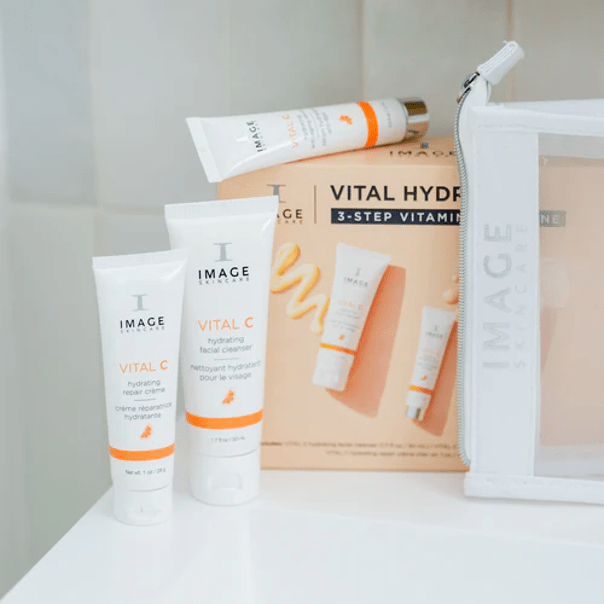
Right after washing, your skin loses the natural oils that normally protect it. The right formula fills that gap before conditions shift again. Water-based gels tend to feel best when summer heat already runs high. They absorb fast and leave skin feeling balanced rather than coated. Choosing a vitamin C moisturizer means you are not just hydrating. You are giving your skin antioxidant support at the same time, one less step with twice the payoff. This can be especially helpful on days when a simplified routine feels more realistic.
Simple Ways to Care for Your Skin
Most people overhaul their routine when summer skin acts up. They add products, switch cleansers or cut steps entirely. The problem is usually not the products. It is the consistency. Small daily habits protect your barrier better than any single product swap. The goal is a routine practical enough to use every day, even when the weather feels heavy.
Simple ways to support your skin in humid weather include:
- Cleansing gently to remove sweat and buildup without over-washing
- Applying moisturizer while skin is still slightly damp
- Choosing lightweight, breathable textures over heavier creams
- Reapplying sunscreen after prolonged outdoor exposure
- Avoiding the urge to skip hydration when skin feels oily
Your skin type still shapes what works best. Oily skin needs moisture even when it looks shiny. Dry skin may feel more comfortable in humidity but still needs support. Combination skin often needs different care in different areas. Pay attention to how each zone reacts as temperatures rise. What works well in October may need adjusting by July.

The Bottom Line
Humid weather can change how skincare feels, but it does not change what your skin needs. Heat, sweat, and environmental exposure can still disrupt moisture balance, even when skin appears oily.
A consistent, lightweight routine helps support your skin without overwhelming it. Choosing breathable formulas and maintaining hydration can make a noticeable difference in how your skin looks and feels throughout the season.
When your routine feels manageable, it becomes easier to stay consistent—and that consistency is what ultimately supports healthy-looking skin over time.