The Ultimate Guide to Maintaining a Strong, Durable, and Reliable Roof for Long-Term Home Protection
A roof is one of the most important protective components of any property because it shields the interior from rain, wind, sunlight, moisture, temperature changes, and other environmental conditions. Although a roof is designed to provide long-term protection, it is continuously exposed to weather and physical stress, which can gradually affect shingles, flashing, underlayment, gutters, vents, and structural components. Small problems may initially appear insignificant, but ignoring them can allow moisture to enter the building and create more extensive damage. Regular inspections, timely maintenance, proper ventilation, and quality materials can help extend the useful life of a roofing system. When problems are discovered, professional roof repair can address damaged areas before they develop into larger concerns. Homeowners who understand common roofing issues and maintain their roofs consistently can reduce unexpected expenses and protect the comfort, safety, and value of their property.
Understand the Importance of Regular Roof Inspections
Regular roof inspections are an important part of responsible property maintenance because many roofing problems are difficult to identify from ground level. A professional inspection can reveal damaged shingles, deteriorated flashing, loose materials, clogged drainage components, ventilation issues, and areas where moisture may be entering the structure. Inspections can also identify early signs of wear before they become serious enough to affect the interior of the property. Homeowners should pay particular attention after severe weather because strong winds, heavy rainfall, hail, and other conditions can cause damage that is not immediately visible. A routine inspection provides an opportunity to identify small defects and determine whether maintenance or repairs are necessary. Addressing minor issues early can help preserve the overall condition of the roofing system and reduce the risk of more extensive damage.
Identify Common Signs of Roof Damage
Knowing the warning signs of roofing problems can help homeowners respond before damage becomes widespread. Water stains on ceilings or walls may indicate that moisture is entering through the roof, although the visible stain may not be directly beneath the actual entry point. Missing, cracked, curled, or damaged shingles can expose underlying materials to moisture and sunlight. Granules accumulating in gutters may indicate that shingles are deteriorating, while damaged flashing around vents, chimneys, skylights, or roof edges can create potential leak points. Sagging areas may indicate a more serious structural or moisture-related problem and should be evaluated promptly. Homeowners should not ignore unusual odors, damp insulation, peeling paint, or unexplained interior moisture. Recognizing these signs early can help prevent a small roofing defect from developing into a costly structural issue.
Address Leaks Without Unnecessary Delay
A roof leak should never be ignored simply because the amount of visible water appears small. Even limited moisture intrusion can affect insulation, drywall, wood framing, electrical components, and other materials if it continues over time. Water may also travel along structural elements before becoming visible inside the property, making it difficult to determine the exact source without professional evaluation. Temporary measures may reduce immediate water entry, but they should not replace a proper assessment of the underlying problem. Professional roof repair can identify damaged materials, determine the likely source of the leak, and restore the affected area appropriately. Prompt attention can reduce the chance of mold growth, wood deterioration, insulation damage, and other moisture-related complications. Homeowners should respond quickly whenever they notice signs that water may be entering through the roofing system.
Maintain Shingles and Roofing Materials
Shingles and other exterior roofing materials provide an important protective barrier against environmental exposure. Over time, sunlight, wind, moisture, temperature changes, and physical impact can cause these materials to deteriorate. Homeowners should periodically inspect accessible areas for missing, cracked, broken, loose, or visibly deteriorated shingles. Damaged sections should be evaluated rather than covered with temporary materials that may fail during the next weather event. The age and overall condition of the roofing system should also be considered when determining whether isolated repairs or broader replacement may be appropriate. Proper maintenance helps preserve the protective layer and reduces opportunities for moisture to reach the underlying structure. Using compatible materials and appropriate installation methods during repairs is essential for maintaining the performance and appearance of the entire roof.
Check Flashing and Roof Penetrations
Flashing is used around many areas where roofing materials meet vertical surfaces or openings, including chimneys, vents, skylights, walls, and other penetrations. These locations can become vulnerable to leaks when flashing becomes loose, cracked, corroded, or improperly sealed. Because roof penetrations interrupt the continuous surface of the roofing system, they require careful installation and regular inspection. Homeowners should watch for moisture stains or deterioration around these areas, especially after significant rainfall. Damaged flashing should be evaluated by a qualified professional because simply adding sealant may not address the underlying problem. Properly installed flashing helps direct water away from vulnerable joints and prevents moisture from entering the structure. Maintaining these components can significantly contribute to the long-term reliability of the roofing system.
Keep Gutters and Downspouts Clear
Gutters and downspouts play an essential role in directing rainwater away from the roof and foundation. When gutters become blocked with leaves, dirt, branches, or other debris, water may overflow and accumulate near roofing edges or exterior walls. Persistent moisture can damage fascia boards, siding, foundations, landscaping, and other components. Gutters should be inspected and cleaned regularly, especially when nearby vegetation contributes significant debris. Downspouts should also be positioned so that water is directed away from the building rather than discharged directly against the foundation. Proper drainage helps protect the roof edge and reduces the amount of water that can accumulate around the structure. Maintaining the entire drainage system is therefore an important part of protecting the roofing system and preventing avoidable water-related damage.
Improve Attic Ventilation
Proper attic ventilation can influence the performance and longevity of a roofing system. Excessive heat and moisture can accumulate in poorly ventilated attic spaces, potentially contributing to condensation, insulation problems, wood deterioration, and premature aging of roofing materials. A balanced ventilation system generally allows air to enter through appropriate intake areas and exit through suitable exhaust points. Homeowners should be aware of signs such as excessive attic humidity, condensation, musty odors, or unusually high temperatures. Ventilation should be designed according to the structure and roofing system rather than relying on randomly added vents. Professional evaluation can help determine whether existing ventilation is functioning appropriately. Improving airflow can support a healthier roof assembly and reduce moisture-related problems that may otherwise shorten the life of roofing materials.
Protect the Roof From Tree Damage
Trees can provide shade and enhance the appearance of a property, but branches that extend over or close to a roof can create potential maintenance concerns. Falling branches can damage shingles and other roofing materials, while constant contact from branches can wear down protective surfaces. Leaves and organic debris can also accumulate on the roof and inside gutters, retaining moisture and encouraging deterioration. Property owners should regularly inspect nearby trees and consider whether overhanging branches need appropriate maintenance. Dead or weak branches can pose particular risks during storms and high winds. Keeping vegetation properly managed can reduce physical impact, limit debris accumulation, and improve access for roof inspections. Landscaping maintenance should therefore be considered part of a broader property protection strategy.
Pay Attention to Roof Ventilation and Insulation
Roof performance is influenced by both ventilation and insulation, which work together to regulate temperature and moisture within the building envelope. Inadequate insulation can contribute to unwanted heat transfer, while poor ventilation may allow moisture to accumulate in attic spaces. These problems can affect indoor comfort and potentially contribute to roofing deterioration. Homeowners should inspect insulation for signs of moisture, compression, deterioration, or uneven coverage when accessible. Ventilation openings should also remain unobstructed so that air can circulate as intended. Improving these systems may require professional assessment because changes to one component can affect the overall roofing assembly. A properly balanced attic environment can support energy efficiency, reduce condensation risks, and help preserve roofing materials.
Consider Weather-Related Damage
Severe weather can create sudden roofing problems that require immediate attention. Strong winds can loosen or remove shingles, while hail can cause cracks, dents, or surface damage that may not be obvious from the ground. Heavy rainfall can expose existing weaknesses, while fallen branches can puncture roofing materials. After significant weather events, homeowners should inspect the property from a safe position and look for visible signs of damage. They should avoid walking on the roof unless they are properly trained and equipped because roofing surfaces can be slippery or unstable. Professional roof repair may be necessary when weather has damaged shingles, flashing, vents, or other components. Prompt assessment can help prevent temporary storm damage from becoming a long-term moisture problem.
Know When Repairs Are Better Than Replacement
Not every roofing problem requires complete replacement. Minor damage affecting a limited number of shingles, flashing sections, or other components may be addressed through targeted repairs when the rest of the system remains in good condition. However, a roof that is extensively deteriorated, repeatedly leaking, or approaching the end of its expected service life may require a broader solution. Homeowners should consider the age of the roof, extent of damage, previous repair history, material condition, and long-term maintenance expectations. A professional evaluation can help determine whether repairing isolated areas is practical or whether replacement would provide better value. Making the decision based on the actual condition of the roofing system rather than short-term cost alone can help avoid repeated expenses and ongoing problems.
Choose Quality Materials
The quality and compatibility of roofing materials can have a significant effect on long-term performance. Shingles, underlayment, flashing, sealants, ventilation components, fasteners, and other materials should be selected according to the roofing system and environmental demands. Using incompatible materials or low-quality products may result in premature deterioration or installation problems. Homeowners should discuss material choices with qualified professionals and understand the expected performance and maintenance requirements of each option. Quality materials may have a higher initial cost, but they can provide better durability and reduce the likelihood of frequent repairs. The goal should be to create a complete roofing system in which individual components work together effectively rather than selecting materials solely according to their appearance or purchase price.
Hire Qualified Roofing Professionals
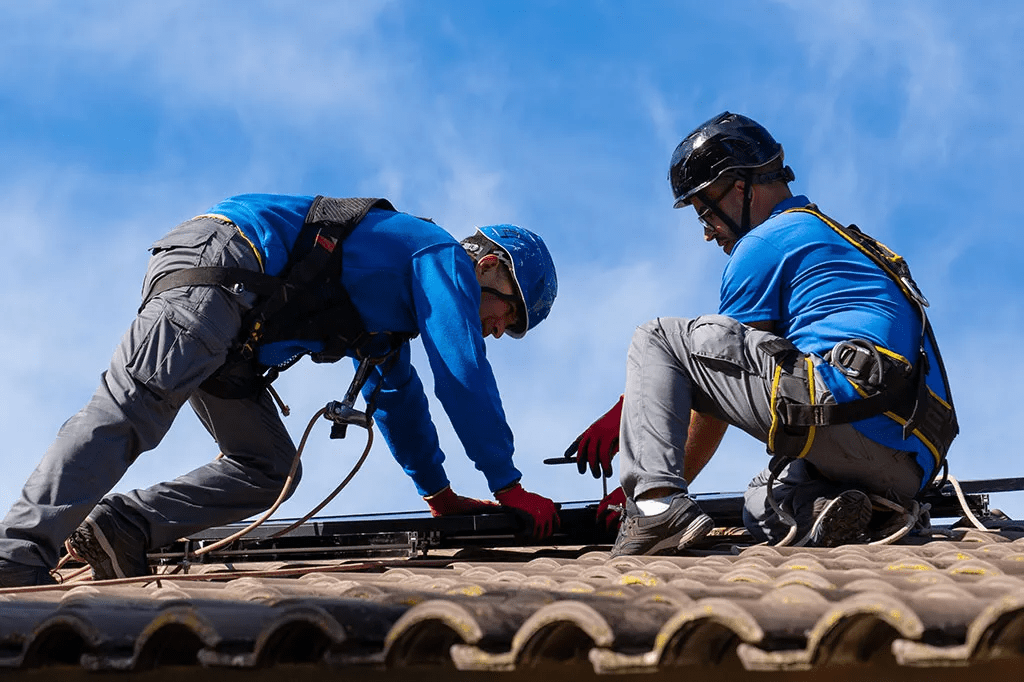
Roofing work involves safety risks as well as technical considerations, so complex repairs should generally be handled by trained professionals. Experienced roofing contractors can inspect the roof, identify damaged areas, determine the cause of problems, and recommend suitable repair methods. They also understand how different roofing materials should be installed, sealed, fastened, and integrated with flashing and ventilation components. Before hiring a contractor, homeowners should review the proposed scope of work, materials, timeline, warranty information, and maintenance recommendations. Clear communication can help ensure that the repair addresses the actual cause of the problem rather than only its visible symptoms. Working with qualified professionals can improve workmanship and reduce the possibility of additional damage caused by improper installation.
Maintain Roof Drainage During Every Season
Roof drainage should remain effective throughout the year because accumulated water can contribute to deterioration and leaks. Gutters, downspouts, roof valleys, and drainage pathways should be inspected for blockages or damage. Leaves, dirt, branches, and other debris should be removed before they create persistent water accumulation. Areas where water repeatedly pools should be evaluated because standing water may indicate drainage or structural issues. Proper slopes and functioning drainage components help move water away from vulnerable roofing materials. Seasonal maintenance can also help prepare the roof for periods of heavier rainfall or changing weather conditions. Consistent attention to drainage reduces moisture exposure and supports the long-term performance of the entire roofing system.
Keep Records of Roofing Maintenance
Maintaining records of inspections, repairs, material replacements, and other roofing work can make future maintenance easier. Documentation can help homeowners understand how old different components are and identify areas that have experienced repeated problems. Records may include inspection dates, photographs, repair descriptions, materials used, warranties, and recommendations from professionals. This information can be especially useful when planning future repairs or determining whether replacement is becoming more practical. Regular documentation also helps property owners identify patterns, such as recurring leaks in the same area or repeated damage after certain weather conditions. A well-maintained history provides valuable information that can support better decisions and more efficient communication with roofing professionals.
Make Preventive Maintenance a Priority
Preventive maintenance is generally more effective than waiting until a major roofing failure occurs. Homeowners should establish a routine that includes inspections, gutter cleaning, tree maintenance, attic checks, drainage evaluation, and prompt attention to visible damage. Small problems should be investigated before they have time to spread into larger areas. Professional roof repair can be used when individual components become damaged while the overall system remains structurally sound. Preventive maintenance can also help homeowners plan for eventual replacement instead of facing an unexpected emergency. By treating the roof as an ongoing maintenance responsibility, property owners can reduce the likelihood of severe problems and protect the building from unnecessary moisture and structural damage.
Final Thoughts
A strong and reliable roof depends on proper installation, quality materials, effective drainage, adequate ventilation, regular inspections, and timely maintenance. Homeowners should pay attention to warning signs such as missing shingles, damaged flashing, water stains, clogged gutters, moisture problems, and visible deterioration. Addressing these concerns early can help protect the underlying structure and reduce the possibility of expensive repairs. Professional roof repair can provide an effective solution for localized damage when the overall roofing system remains in suitable condition, while extensive deterioration may require a more comprehensive replacement strategy. Consistent maintenance, professional inspections, and careful attention to drainage and ventilation can significantly contribute to long-term roof performance. By taking a proactive approach to roofing care, property owners can protect their investment, improve indoor comfort, and maintain a dependable barrier against the elements for many years.