Everything You Need to Know About Brush Removal for Better Property Care, Landscape Management, and Outdoor Maintenance
Maintaining a property requires more than simply mowing the lawn or trimming visible plants. Over time, unwanted shrubs, vines, weeds, small trees, fallen branches, and dense vegetation can spread across outdoor spaces and make them difficult to use. When natural growth becomes excessive, it can affect the appearance of the landscape, restrict access, hide potential hazards, and make routine maintenance more challenging. Brush removal provides an effective way to regain control over areas that have become heavily overgrown. By clearing unnecessary vegetation and organizing the landscape, property owners can create cleaner, safer, and more functional outdoor spaces while making future maintenance easier. Proper planning is essential because every property has different vegetation, terrain, drainage patterns, and landscaping goals.
Understanding Unwanted Brush and Vegetation
The term brush can refer to many types of unwanted growth found around residential, commercial, rural, and undeveloped properties. It may include dense shrubs, weeds, vines, thorny plants, small trees, dead branches, fallen limbs, and accumulated organic debris. Some areas may contain several types of vegetation growing together, creating a thick layer that becomes difficult to penetrate. Understanding what is present before beginning a clearing project is important because different plants may require different tools and removal techniques. Identifying desirable trees and plants is equally important so they can be protected during the work. A careful assessment provides a better foundation for planning the project.
Why Overgrown Areas Need Attention
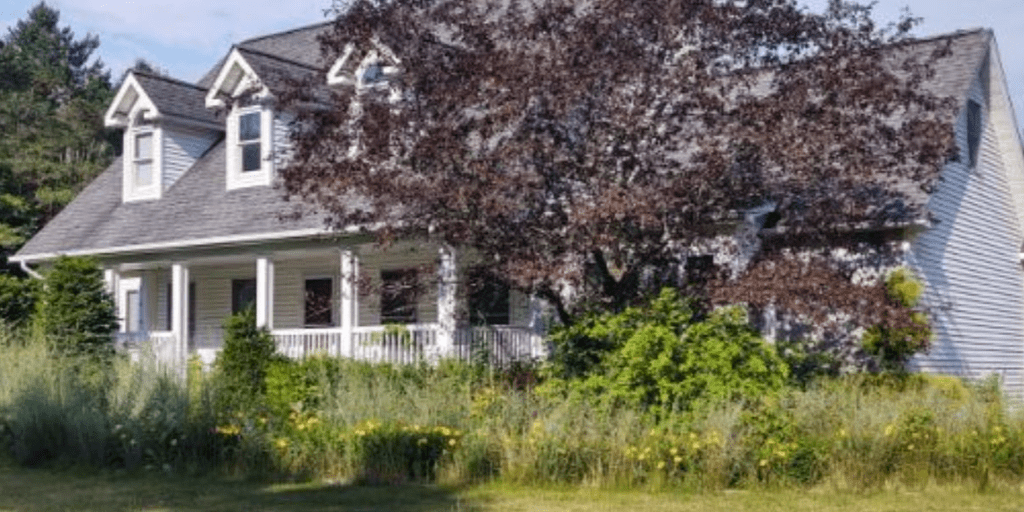
Vegetation rarely remains in one place when it is left unmanaged. Plants can gradually spread across pathways, around fences, near buildings, and into areas intended for other purposes. Dense growth may hide uneven ground, fallen branches, rocks, holes, or other obstacles. It can also make it harder to inspect the property regularly. When access becomes difficult, routine maintenance may be postponed, allowing the problem to become even larger. Addressing unwanted growth before it becomes extremely dense can make property maintenance more manageable and prevent a relatively simple task from developing into a much more demanding project.
Improving the Appearance of a Property
A clean landscape can significantly influence how a property looks and feels. Overgrown vegetation may make even a well-maintained property appear neglected. Removing unnecessary growth can reveal existing landscape features, improve visibility, and create a more organized appearance. Open spaces can also provide opportunities for new landscaping projects, seating areas, gardens, pathways, or recreational spaces. Once the unwanted vegetation has been cleared, property owners have greater flexibility in deciding how to use the available space. Improving the appearance of a landscape does not necessarily require extensive construction; sometimes simply restoring order to an overgrown area can make a noticeable difference.
Creating More Usable Outdoor Space
Many properties contain areas that are technically available but practically unusable because of excessive vegetation. Thick shrubs, vines, and fallen branches can make it difficult to walk through an area or reach specific parts of the property. Clearing selected vegetation can transform these spaces into usable areas for recreation, gardening, storage, pathways, or general outdoor activities. Before clearing, it is helpful to consider the intended purpose of the space. Planning ahead ensures that the work supports a specific goal rather than simply creating an empty area that may become overgrown again.
Supporting Routine Property Maintenance
Regular property care becomes easier when outdoor areas are open and accessible. Dense vegetation can interfere with mowing, trimming, inspection, and landscaping equipment. After unnecessary growth has been reduced, maintenance crews or property owners can move through the area more easily and identify new problems sooner. Regular inspections can also help prevent unwanted plants from becoming established again. This creates a practical maintenance cycle in which small amounts of routine work prevent the need for major clearing projects later. Consistency is often more effective than allowing vegetation to grow unchecked and addressing it only when it becomes difficult to manage.
Selecting the Right Clearing Method
The best method for clearing vegetation depends on the size of the area, density of growth, type of plants, terrain, accessibility, and amount of debris involved. Small areas with limited vegetation may be manageable using hand tools, while larger spaces may require powered equipment. Some projects may involve shrubs and weeds, whereas others may include small trees, thick vines, or heavy branches. Evaluating these conditions before starting can help determine the appropriate approach. Using equipment that is too small can make a large project unnecessarily slow, while using heavy machinery in a sensitive area can cause unnecessary landscape disturbance.
Using Hand Tools Effectively
Hand tools can be practical for smaller clearing projects and areas requiring precision. Pruning shears, loppers, hand saws, rakes, shovels, and similar equipment allow workers to control exactly what is being removed. These tools are particularly useful around desirable plants, fences, structures, and garden beds where mechanical equipment may be difficult to maneuver. However, manual clearing can become physically demanding when vegetation is thick or spread across a large area. Workers should use appropriate protective equipment, maintain tools properly, and take breaks when necessary. Careful technique can make manual work more efficient while reducing unnecessary strain.
Understanding Mechanical Equipment
Larger projects may benefit from powered equipment designed to process dense vegetation more efficiently. Brush cutters, powered trimmers, chippers, and other specialized machinery can reduce the amount of manual labor required. The equipment selected should match the vegetation and terrain. Operators should understand how machinery works and follow manufacturer instructions and safety recommendations. Mechanical equipment can significantly improve productivity, but it also introduces additional hazards. Flying debris, rotating blades, unstable ground, and hidden obstacles require careful attention. When equipment requirements exceed a property owner’s experience, professional assistance may be the safer choice.
Prioritizing Safety During Clearing
Safety should be considered before any clearing work begins. Dense vegetation can conceal hazards that are not visible from the surface. Workers may encounter holes, rocks, sharp branches, insects, unstable limbs, discarded materials, or uneven terrain. Appropriate protective clothing, gloves, eye protection, sturdy footwear, and hearing protection may be necessary depending on the tools being used. People should also maintain a safe distance from operating machinery and ensure that other individuals remain outside hazardous work zones. A careful inspection of the site before starting can reveal potential risks and allow them to be addressed before work begins.
Protecting Valuable Plants and Trees
An overgrown area may contain plants that should remain in place. Mature trees, native plants, flowering shrubs, and other desirable vegetation can contribute to the beauty and ecological value of a property. Before work begins, property owners should identify vegetation they want to preserve. Marking these plants can help workers distinguish them from unwanted growth. Selective clearing can often achieve the desired result without removing everything in an area. Preserving healthy vegetation may also reduce future landscaping costs because established plants can continue contributing to the landscape after unwanted growth has been removed.
Dealing With Roots and Regrowth
Removing visible vegetation does not always eliminate the underlying problem. Some plants can return from roots, stumps, seeds, or other remaining structures. This means that cutting plants at ground level may not always prevent future growth. The appropriate follow-up approach depends on the type of vegetation and the goals of the property owner. Regular inspection after clearing is important because new growth is generally easier to manage when it is still small. A long-term maintenance strategy can reduce the chance that unwanted vegetation will gradually reclaim the cleared area.
Handling Vegetation and Organic Debris
Every clearing project produces material that must be managed after the vegetation has been cut. Branches, leaves, vines, shrubs, and other organic debris can quickly accumulate. Leaving large piles in the middle of a property may create new obstacles and reduce the benefits of the project. Before work begins, property owners should determine how the material will be processed, reused, transported, or disposed of. Some suitable plant material can be chipped or composted, while other material may require separate disposal. Planning this stage in advance helps keep the project organized from beginning to end.
Considering Mulching and Chipping
Some vegetation can be processed into smaller pieces for possible landscaping use. Wood chips and suitable organic material may be used as mulch in appropriate areas. Mulching can help protect exposed soil and contribute organic matter as the material decomposes. However, plant material should be assessed before reuse because diseased or invasive vegetation may not be appropriate for spreading elsewhere. Understanding the characteristics of the material being processed can help property owners make responsible decisions. Reusing suitable material can also reduce the amount of waste that needs to be transported away from the property.
Managing Drainage Areas
Vegetation and water movement can interact in important ways. Dense growth may make drainage areas difficult to inspect, while excessive clearing can sometimes expose soil to erosion. Property owners should therefore consider how water moves through the landscape before removing large amounts of vegetation. Maintaining appropriate plants in sensitive areas can help stabilize soil, while selective clearing can improve visibility and access. The goal should be to manage unwanted growth without creating new drainage or erosion problems. Careful planning is especially important on properties with slopes, low areas, or established water channels.
Working Around Difficult Terrain
Uneven ground can make vegetation clearing more complicated. Slopes, rocks, soft soil, ditches, and other obstacles can affect both workers and equipment. Thick vegetation may also hide changes in elevation that are difficult to see before the area is cleared. When working on challenging terrain, access and equipment stability should be considered carefully. Heavy machinery may not be suitable for every surface, and manual work may sometimes provide greater control. For particularly difficult projects, experienced professionals can assess the conditions and determine a safer approach.
Considering Environmental Impact
Responsible land management involves thinking about what happens to the landscape after vegetation is removed. Clearing every plant from an area may not always be necessary or beneficial. Some vegetation provides habitat, shade, soil stabilization, or other environmental functions. A selective approach can remove unwanted growth while preserving valuable natural features. Property owners should also be cautious when dealing with invasive plants because improper handling may contribute to their spread. Protecting desirable vegetation and managing unwanted plants thoughtfully can help create a more balanced outdoor environment.
When Professional Services Are Appropriate
Some projects are too large or complicated for basic property maintenance. Extensive vegetation, large trees, steep slopes, heavy debris, limited access, or specialized equipment requirements can increase the difficulty of the work. Professional crews may have the equipment, experience, and workforce needed to complete these projects more efficiently. They can also help identify hazards and organize debris removal. Professional assistance can be particularly useful when property owners are unsure about the safest method or when the scale of the project makes manual work impractical. Choosing qualified assistance can reduce unnecessary risk and save significant time.
Planning Before Starting the Work
A successful clearing project begins with a clear plan. Property owners should identify the areas that need attention, determine which vegetation should remain, and establish the desired outcome. It is also useful to consider equipment, labor, disposal, access, safety, and future maintenance. Large projects can be divided into smaller sections so progress can be monitored and adjustments made as necessary. Planning also helps prevent unnecessary clearing. Instead of removing vegetation simply because it is present, property owners can focus on growth that genuinely interferes with their goals.
Estimating the Amount of Work
The visible size of an overgrown area does not always indicate how difficult it will be to clear. Dense vegetation may conceal substantial amounts of material beneath the surface. Thick roots, tangled vines, fallen branches, and uneven terrain can increase the workload considerably. Property owners should inspect the area carefully before estimating labor and equipment requirements. Understanding the actual conditions can make budgeting and scheduling more realistic. A detailed assessment can also reveal whether the project is suitable for routine maintenance or requires specialized assistance.
Improving Accessibility
Clearing vegetation can make it easier to access areas that were previously difficult to reach. Improved access may benefit pedestrians, maintenance equipment, vehicles, or future landscaping activities. Pathways, gates, property boundaries, and drainage features can become easier to inspect and maintain once excessive growth is removed. However, access improvements should be planned carefully so that they do not interfere with existing trees, drainage, or other important landscape features. A thoughtful approach can create useful connections across a property while maintaining a visually appealing environment.
Preventing Future Overgrowth
The best clearing project is one that remains manageable after the initial work is complete. Without regular maintenance, unwanted vegetation can gradually return. Property owners can reduce this risk through routine mowing, trimming, pruning, monitoring, and removal of new growth. Newly cleared areas should be inspected regularly so returning plants can be addressed while they are still small. Establishing desirable landscaping can also help occupy available space and reduce opportunities for unwanted vegetation to dominate. A simple maintenance schedule can protect the investment made in the original clearing project.
Maintaining a Cleaner Outdoor Environment
Regular removal of fallen branches, dead vegetation, leaves, and unwanted plants can keep outdoor areas looking organized. A clean landscape is easier to inspect and often feels more inviting. Routine cleanup also helps prevent organic debris from accumulating into large piles that require significant effort to remove later. Property owners can establish periodic maintenance tasks based on how quickly vegetation grows and how much debris naturally accumulates. Small, consistent efforts can make a major difference in preventing outdoor spaces from becoming heavily overgrown again.
Supporting Future Landscaping Projects
A cleared area can provide a blank canvas for future landscaping. Property owners may choose to add grass, ornamental plants, gardens, pathways, seating areas, or other features after the unwanted vegetation has been removed. Preparing the area carefully can make these future projects easier. Before planting, it may be necessary to evaluate soil conditions, drainage, sunlight, and existing vegetation. The long-term design should also account for maintenance requirements. Choosing suitable plants and organizing the landscape thoughtfully can reduce the likelihood of another major clearing project.
Making Responsible Maintenance Decisions
Effective property care does not always mean removing every unwanted plant immediately. Property owners should consider the purpose of each area and determine which vegetation genuinely needs to be controlled. Some plants may be beneficial, while others may obstruct access, damage structures, or create maintenance challenges. Selective management can provide a practical balance between usability and natural landscape features. Making decisions based on long-term goals can prevent unnecessary work and help create an outdoor environment that remains attractive and manageable.
Final Thoughts
Brush removal can play an important role in improving property care, landscape management, and outdoor usability. The process involves much more than cutting down vegetation; it requires assessment, planning, safe work practices, appropriate equipment, debris management, and consideration of future maintenance. By identifying unwanted growth, protecting valuable plants, improving access, and establishing a consistent maintenance routine, property owners can keep outdoor areas cleaner and easier to manage. Larger or more challenging projects may require professional expertise, particularly when difficult terrain, extensive vegetation, or specialized equipment is involved. With a thoughtful approach, clearing unwanted vegetation can create lasting improvements while supporting a healthier, safer, and more functional landscape.