Commercial Cleaning: A Complete Guide to Maintaining a Healthier, More Productive Workplace
A clean workplace is more than a matter of appearance. It directly influences employee well-being, customer impressions, productivity, safety, and the overall reputation of a business. Whether the workplace is a corporate office, retail store, educational facility, healthcare environment, warehouse, or another type of commercial property, maintaining a consistent cleaning routine is essential. Dust, dirt, germs, stains, odors, and clutter can accumulate quickly when a building experiences regular foot traffic. Without an organized cleaning strategy, even a professionally designed facility can begin to look neglected and feel uncomfortable.
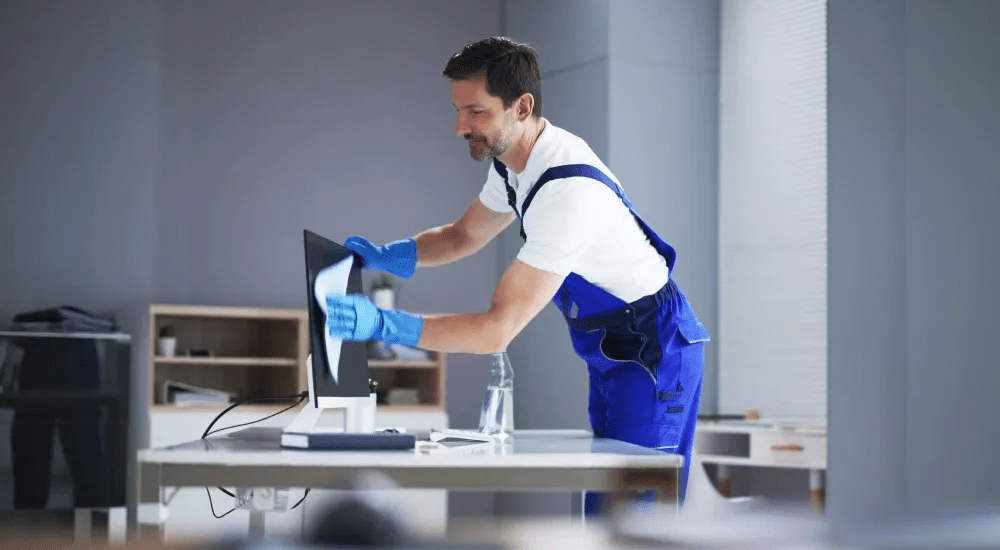
Businesses often have many responsibilities competing for their attention, which can make detailed cleaning difficult to manage internally. Employees may be able to handle basic tidying, but they usually do not have the time, equipment, training, or specialized products required for thorough facility maintenance. Professional commercial cleaning provides a practical solution by allowing trained cleaning professionals to handle routine and specialized cleaning tasks according to the needs of the property. This approach can help businesses maintain a consistently presentable environment while allowing employees to concentrate on their primary responsibilities.
Why Workplace Cleanliness Matters
The condition of a workplace can influence how employees, customers, visitors, and business partners perceive the organization. When people enter a clean and organized facility, they are more likely to feel that the business is professional, responsible, and attentive to detail. On the other hand, dirty floors, overflowing waste bins, dusty surfaces, stained carpets, or unpleasant odors can create a negative impression within seconds.
Cleanliness also contributes to employee comfort. People spend a significant portion of their day at work, and an environment that is regularly maintained can feel more pleasant and manageable. Clean workstations, common areas, restrooms, kitchens, entrances, and meeting rooms create an atmosphere where employees can perform their duties without unnecessary distractions caused by mess or poor maintenance.
A structured cleaning program can also support workplace hygiene. Frequently touched surfaces such as door handles, elevator buttons, light switches, desks, counters, and shared equipment can accumulate contaminants throughout the day. Regular cleaning and appropriate disinfection can reduce the buildup of dirt and microorganisms on these surfaces. While cleaning cannot eliminate every potential health risk, consistent hygiene practices can contribute to a healthier workplace environment.
Understanding the Scope of Commercial Cleaning
Commercial cleaning can involve much more than vacuuming floors and emptying trash cans. Professional cleaning programs are generally designed around the specific characteristics, size, usage, and operational requirements of a property. A small office may need regular dusting, vacuuming, restroom maintenance, and kitchen cleaning, while a large facility may require a more comprehensive schedule involving multiple teams and specialized equipment.
One of the primary advantages of professional commercial cleaning is the ability to create a customized cleaning plan. Instead of applying the same routine to every business, cleaning professionals can evaluate areas that receive the most traffic and determine which tasks should be completed daily, weekly, monthly, or periodically. This can make cleaning more efficient while ensuring that important areas are not overlooked.
For example, entrances and reception areas may require frequent attention because they are among the first places customers see. Restrooms may require multiple cleaning sessions during busy operating hours, while conference rooms might need detailed cleaning after important meetings or events. Carpets, upholstery, windows, high surfaces, and ventilation-related areas may require less frequent but more intensive attention.
The Benefits of Hiring Professional Cleaning Specialists
One of the strongest reasons businesses choose professional cleaning services is convenience. Managing cleaning internally requires employees, supplies, equipment, scheduling, supervision, and quality control. These responsibilities can become difficult to coordinate, particularly in larger workplaces.
Professional cleaners already have established processes for completing routine and specialized tasks. They can arrive according to an agreed schedule, use appropriate equipment, and work through predetermined cleaning checklists. This reduces the amount of administrative effort required from business owners and facility managers.
Another important benefit is consistency. A workplace may look clean after an occasional deep clean, but maintaining that standard requires regular attention. Professional cleaning teams can establish recurring schedules that help prevent dirt and clutter from accumulating. Consistency is particularly important in busy commercial environments where hundreds of people may enter and leave the property throughout the day.
Professional cleaners may also have access to equipment that businesses do not normally keep on-site. Depending on the facility, this can include commercial-grade vacuums, floor-cleaning machines, carpet extraction equipment, microfiber systems, and other specialized tools. Proper equipment can make certain cleaning tasks more effective and efficient.
Creating a Practical Cleaning Schedule
A successful cleaning program depends heavily on scheduling. Not every cleaning task needs to be performed every day, but important areas should receive attention at appropriate intervals. Developing a schedule can help businesses maintain standards without wasting time or resources.
Daily cleaning commonly includes removing waste, cleaning frequently touched surfaces, maintaining restrooms, vacuuming or sweeping high-traffic areas, and cleaning shared spaces. These tasks are especially important in workplaces with significant daily foot traffic.
Weekly cleaning may include more detailed dusting, mopping, cleaning interior glass, wiping furniture, and giving additional attention to areas that do not require daily service. Monthly or periodic tasks can include deep carpet cleaning, upholstery care, detailed floor maintenance, high-dusting, and other specialized services.
The schedule should also remain flexible. Certain events may require additional cleaning, such as conferences, employee gatherings, seasonal changes, renovations, or periods of unusually high occupancy. A professional cleaning provider can often adjust the routine when a business experiences changes in its operations.
Maintaining High-Traffic Areas
Some parts of a commercial property become dirty much faster than others. Entrances, hallways, stairways, elevators, reception areas, break rooms, and restrooms typically receive heavy use. These areas should be given particular attention because visible dirt in a high-traffic location can quickly affect the appearance of the entire facility.
Floor maintenance is especially important. Dirt and grit brought in from outside can gradually wear down flooring surfaces. Regular sweeping, vacuuming, and mopping can help prevent the accumulation of abrasive particles. Different flooring materials require different maintenance methods, so cleaning professionals should select suitable products and techniques for each surface.
Entrances also deserve careful attention because they shape the first impression of visitors. Glass doors, reception counters, mats, floors, and surrounding surfaces should be kept clean and presentable. A well-maintained entrance communicates that the business takes its environment seriously.
Restroom Hygiene Should Be a Priority
Restrooms are among the most important areas in any commercial facility. Their condition can strongly influence employee and customer perceptions of the business. A restroom that is clean, fresh, and properly stocked creates a much more positive experience than one with unpleasant odors, dirty fixtures, overflowing bins, or poorly maintained surfaces.
Professional restroom cleaning generally involves cleaning and disinfecting toilets, sinks, faucets, counters, mirrors, floors, doors, and frequently touched surfaces. Waste should be removed regularly, and supplies such as soap, toilet tissue, and paper towels should be monitored.
Attention should also be given to areas that are easy to overlook. Handles, dispensers, partitions, edges, corners, and fixtures can accumulate dirt even when the restroom appears clean at first glance. A detailed cleaning checklist helps ensure that these areas receive appropriate attention.
Office Kitchens and Break Rooms
Shared kitchens and break rooms can become heavily contaminated when many employees use the same facilities. Food particles, spills, grease, packaging, and waste can accumulate quickly. If these areas are not maintained regularly, they may develop unpleasant odors and become difficult to keep under control.
Counters, tables, sinks, appliance surfaces, cabinet handles, floors, and waste containers should be cleaned according to the level of use. Refrigerators and microwaves may also require periodic attention, particularly in workplaces where employees regularly bring meals from home.
A clean break room encourages employees to take better care of shared spaces. When people see that an area is well maintained, they may be more likely to clean up after themselves and follow workplace hygiene practices.
Carpet and Floor Care
Floors receive constant use and are often among the first surfaces to show signs of neglect. Regular cleaning can help preserve their appearance and extend their usable life. However, different materials require different approaches.
Carpeted areas may benefit from routine vacuuming combined with periodic deep cleaning. Vacuuming removes loose dirt and debris, while deeper cleaning can address embedded particles and stains. Prompt attention to spills can also prevent stains from becoming more difficult to remove.
Hard flooring may require sweeping, mopping, scrubbing, polishing, or other maintenance depending on its material and finish. Using unsuitable chemicals or equipment can damage flooring, so professional cleaners should follow manufacturer recommendations whenever possible.Maintaining floors is not simply about aesthetics. Clean, properly maintained flooring can also contribute to a safer workplace by reducing debris and helping address certain slip-related hazards.
The Importance of Dust Control
Dust is one of the most common problems in commercial environments. It can settle on desks, shelves, electronics, window frames, furniture, decorative items, and other surfaces. When dust accumulates, it can make an otherwise organized workplace look untidy.
Effective dusting involves more than quickly wiping visible surfaces. Cleaning professionals can work systematically through offices and common areas, paying attention to surfaces that are often overlooked. High and low areas, corners, ledges, baseboards, and furniture edges may require additional attention.
Microfiber cleaning materials can be useful for capturing dust rather than simply moving it from one surface to another. Regular dust control can help maintain a cleaner appearance and reduce the accumulation of particles throughout the workplace.
Supporting Employee Productivity
A clean workplace can contribute to a more organized working environment. When employees are surrounded by clutter, overflowing bins, dirty surfaces, or poorly maintained shared spaces, they may experience unnecessary distractions. A well-maintained environment allows employees to focus more easily on their responsibilities.
Cleanliness can also support workplace morale. Employees often appreciate working in environments where their comfort and well-being are taken seriously. While cleaning alone cannot guarantee higher productivity, it can contribute to the overall conditions that help employees feel comfortable and supported.
Businesses should therefore view cleaning as part of workplace management rather than as an optional cosmetic task. A reliable cleaning program supports the physical environment in which employees perform their daily work.
Protecting the Business’s Professional Image
Customers often form opinions based on what they can see. A clean facility can reinforce confidence in a business, while visible neglect may cause visitors to question the organization’s standards. This is particularly important for companies that regularly welcome customers, clients, suppliers, or business partners.
Reception areas, meeting rooms, customer-facing counters, waiting areas, restrooms, and entrances should receive consistent attention. Even small details can matter. Clean windows, spotless surfaces, fresh-smelling rooms, and well-maintained floors can collectively create a strong impression.
For businesses operating in competitive industries, professional presentation can be an important part of differentiation. While quality products and services remain the foundation of success, the physical environment can influence how those offerings are perceived.
Selecting a cleaning company requires careful consideration. Businesses should look for providers that demonstrate professionalism, reliability, clear communication, and an understanding of commercial facilities. A provider should be able to explain what services are included, how frequently tasks will be completed, and how quality will be monitored.
It is also useful to consider whether the company can adapt its services as business needs change. A growing organization may eventually require additional cleaning hours, specialized floor care, window cleaning, or periodic deep-cleaning services.Communication is another important factor. If an issue occurs, businesses should have a clear way to contact the cleaning provider and request attention. Reliable communication can prevent small problems from becoming recurring frustrations.
Businesses may also want to ask about staff training, cleaning procedures, equipment, supplies, scheduling flexibility, and quality-control practices before making a decision.
How Professional Cleaning Can Improve Efficiency
Outsourcing cleaning can allow employees to spend more time on their actual job responsibilities. Employees hired for accounting, administration, sales, customer service, operations, or management generally should not have to devote substantial portions of their working day to maintaining the facility.Delegating cleaning responsibilities to trained professionals can create a clearer division of labor. Employees focus on business operations while cleaning specialists focus on maintaining the physical environment.
This can be particularly valuable for larger facilities where cleaning requirements are extensive. Instead of asking multiple employees to handle different tasks inconsistently, a professional provider can organize the work around a structured plan.Routine cleaning helps maintain everyday standards, but periodic deep cleaning is also important. Over time, certain areas accumulate dirt that regular cleaning may not completely address. Deep cleaning can target carpets, upholstery, floors, windows, baseboards, high surfaces, corners, fixtures, and other less frequently cleaned areas.
Deep cleaning may be scheduled seasonally, quarterly, annually, or according to the needs of the property. Businesses experiencing renovations, relocations, special events, or changes in occupancy may also benefit from additional deep-cleaning services.The goal is to complement routine maintenance rather than replace it. Regular cleaning keeps the workplace under control, while deep cleaning provides more intensive attention to areas that need additional care.
Building a Long-Term Cleaning Strategy
The most effective approach to workplace maintenance is long-term consistency. Rather than waiting until the building becomes visibly dirty, businesses should establish cleaning standards in advance. A written plan can identify daily, weekly, monthly, and periodic responsibilities.
Facility managers can also monitor results and adjust the schedule based on actual usage. If a particular area becomes dirty faster than expected, its cleaning frequency can be increased. If another area requires less attention, resources can be redirected elsewhere.A good cleaning strategy should evolve with the business. Changes in staffing, operating hours, office layout, customer traffic, and facility size can all influence cleaning requirements. Regular communication between the business and its cleaning provider helps ensure that the service remains relevant.
Conclusion
Maintaining a clean commercial facility requires planning, consistency, appropriate equipment, and attention to detail. From offices and reception areas to restrooms, kitchens, floors, and high-traffic spaces, every part of a workplace contributes to the overall environment. Professional commercial cleaning can help businesses maintain these areas systematically while reducing the burden placed on employees and facility managers.
A well-maintained workplace can support a professional image, improve employee comfort, encourage better hygiene, and create a more organized environment for daily operations. The key is not simply to clean when dirt becomes noticeable but to establish a dependable routine that prevents problems from building up.
For businesses that want reliable results, choosing a professional cleaning provider and developing a customized maintenance schedule can be a practical investment. With the right approach, commercial cleaning becomes an ongoing part of effective facility management rather than an occasional task. A cleaner workplace can ultimately create better experiences for employees, customers, and everyone who interacts with the business.