Are Concrete Screws Replacing Traditional Anchors on Job Sites?
Concrete screws are showing up more often in layout changes, fixture installs, and light structural tasks. They have not replaced traditional anchors. Workers appreciate how quickly they can complete numerous masonry connections with just one driven fastener and a drilled hole. Still, job site choice depends on load, substrate, exposure, and inspection needs. The real shift is practical: installers now have another reliable option for many common concrete fastening jobs.
A contractor choosing between screws and expansion anchors usually starts with the hole condition, expected shear, and pullout demand. For routine brackets, conduit clips, and temporary supports, concrete screws for sale fit a common need. They cut mating threads into masonry, reduce separate parts, and can be backed out if the fixture moves during layout review.
Why Screws Are Gaining Ground
The main benefit of concrete screws is speed. A concrete screw uses the drilled hole as its thread path, so crews avoid sleeves, shields, and setting tools. That reduces loose inventory and lowers the chance of mixing components. Removal also matters. A screw can usually be reversed with a driver, which helps during tenant fit-outs, rack relocation, or rework after field measurements change.
That serviceability can save time later, yet it also changes how installers think about risk. A removable fastener should still meet the required embedment and spacing. If a hole is oversized, dusty, or too close to an edge, a quick install can become a weak connection.
Where Traditional Anchors Still Matter
Traditional anchors remain important for heavy loads, cracked concrete, vibration, and engineered connections. Wedge anchors, sleeve anchors, drop-in anchors, and adhesive systems each solve problems that screws may not suit. Their holding method can create higher capacity, better performance under tension, or a clearer path for project approval.
The tradeoff is time and permanence. Expansion anchors often need stricter hole depth, torque control, and spacing checks. Some are difficult to remove cleanly. That is acceptable where the connection must carry higher demand, but it can slow small repetitive tasks.
Performance Depends on the Substrate
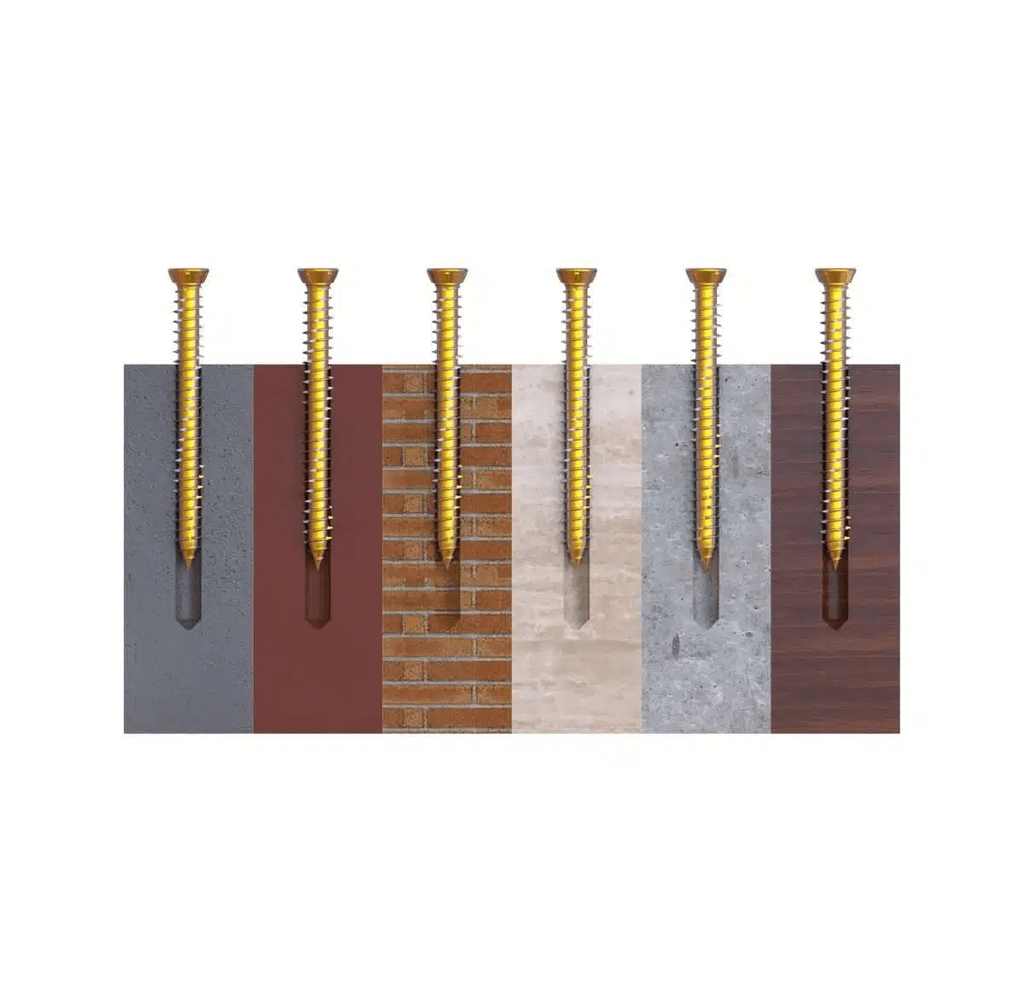
Concrete is rarely uniform across a building. Older slabs may contain voids, cracks, patch material, or hard aggregate. Block can have hollow cells. Brick may be soft, glazed, or weathered. These differences affect thread bite, pullout strength, and installation feel.
For screws, hole quality is central. The bit diameter must match the fastener, and dust should be cleared when required by the instructions. Overdriving can strip the newly formed threads. Underdriving can leave the head raised and reduce clamping force.
Cost Is More Than Unit Price
A box price does not provide a complete picture. Labor, bit wear, callback risk, and inventory control all affect cost. Concrete screws can reduce steps, especially for repeat installations in similar base material. Fewer parts also mean fewer chances to grab the wrong sleeve or nut from a bin.
Traditional anchors may still win on cost for high-load points or inspected assemblies. A more expensive anchor can be cheaper than repair, redesign, or failed testing. Good estimating compares installed cost, not just the catalog line.
Practical Selection Checklist
Crews can make better choices by asking a few direct questions before drilling:
- What load must the connection carry in shear and tension?
- Is the base material cracked, hollow, soft, or weathered?
- Will the fixture need future removal or adjustment?
- Does the project require a listed or engineered anchor?
- Are corrosion, moisture, or outdoor exposure part of the job?
These questions keep the discussion tied to performance. Screws often fit light to medium-duty work with clean holes and controlled loads. Traditional anchors fit heavier demand, harsher conditions, or approvals that call for a named anchor type.
Job Site Trend
The trend is not full replacement. It is better matching. Many crews now use screws as the default for speed, adjustability, and clean light-duty attachment. They move to expansion or adhesive anchors when load tables, site conditions, or inspection rules demand them. That balanced habit improves productivity without treating every hole the same.
Conclusion
Concrete screws are replacing some traditional anchor use, mainly where speed, removability, and repeatable installation matter most. They are not replacing every anchor, and that distinction protects the crew and the project.
The best job sites treat fastener choice as an engineering decision shaped by load, base material, exposure, and approval needs. Used that way, screws expand the fastening toolkit while traditional anchors remain vital for demanding concrete connections safely over time.