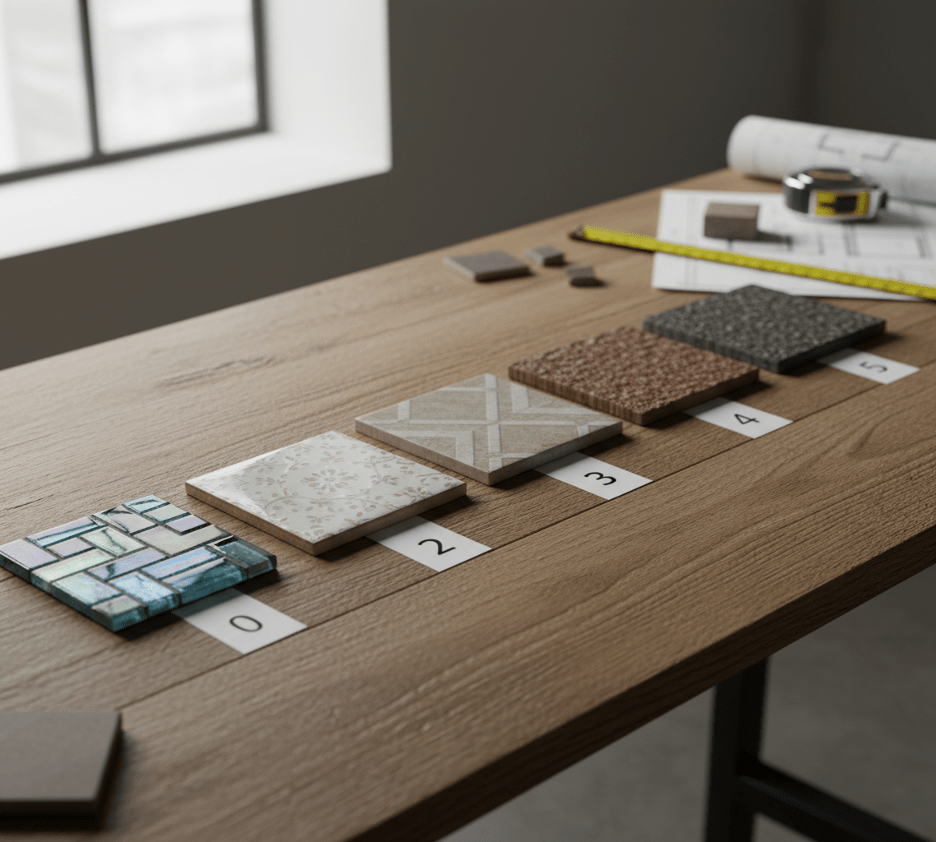
What Is PEI Rating? The Tile Buyer’s Real-World Guide
I’ll be honest: when I first started shopping for tile, I had no clue what all those ratings and numbers meant. One term popped up a lot—PEI rating—and I shrugged it off, thinking, “How important could that be?” Turns out, it matters a lot more than I expected. So, if you’ve ever wondered what is PEI rating, let me save you from a few rookie mistakes.
Understanding PEI Rating: The Basics
So, PEI stands for Porcelain Enamel Institute. The PEI rating is basically a toughness score for glazed tiles. It tells you how well that shiny new tile is going to hold up—whether it’s in your guest bathroom or smack in the middle of your busy kitchen. The scale runs from 0 to 5. Zero means “just for walls, please,” and five is “go ahead, stomp all you want.”
Why Should You Bother With PEI?
For my first bathroom, I picked tiles purely based on color. Big mistake. A few months in, the floor looked scratched from just normal use. That’s when I learned what is PEI rating and why it actually matters. The higher the number, the tougher the tile. It’s honestly the tile world’s way of helping you avoid a headache down the road.
Here’s what I wish someone told me upfront:
1. PEI 0–1 is for walls. Anything lower than PEI 2 shouldn’t ever go on a floor—trust me.
2. PEI 2–3 can handle light or moderate foot traffic, like a powder room or bedroom.
3. PEI 4–5 is what you want for kitchens, hallways, or anywhere you’re constantly on the move.
How PEI Ratings Actually Work in Real Life
Imagine falling for a gorgeous tile, only to have it chip after a few months. That’s what happens if you ignore PEI ratings for busy areas. If you’re putting tile in a spot where life happens—thinks muddy boots, dropped keys, or rolling suitcases—check that rating first. On the flip side, for a fancy shower wall or a decorative backsplash, you don’t need the toughest tile in the world.
PEI Rating Scale (In Plain English)
- PEI 0: Wall use only, never on floors.
- PEI 1: Very light traffic—think guest bathroom walls.
- PEI 2: Light traffic—bedroom or powder room floors.
- PEI 3: Moderate traffic—family rooms or countertops.
- PEI 4: Heavy traffic—kitchens, main hallways, busy entries.
- PEI 5: Extra heavy—commercial spaces, public buildings, or if you have a big, busy family.
My Tips for Picking PEI Tiles
- Don’t be afraid to ask at the store! I’ve been that person, trust me.
- For a forever kitchen floor, go PEI 4 or higher.
- Save the “pretty but delicate” tiles for walls and backsplashes.
FAQs
Q1: Can I use a PEI 5 tile on my shower wall?
A1: Of course! It’ll last forever, but you may not need all that toughness for a wall.
Q2: Is PEI only for porcelain tiles?
A2: Mostly, yes, but some other glazed tiles have similar ratings.
Q3: Does a higher PEI make it harder to clean?
A3: Nope. PEI is about wear, not cleaning. Cleaning depends on the finish.
Q4: What if there’s no PEI rating on the box?
A4: Ask the store or check the manufacturer’s info online—most brands list it somewhere.
Q5: Should I always go for the highest PEI?
A5: Not always! It’s a waste of money for walls or decorative spots. Match the rating to the job.
Conclusion
Learning about PEI ratings totally changed how I shop for tile. Instead of just grabbing what looks good, now I check if it’ll survive real life—kids, pets, parties, and all. It’s a small detail, but it honestly makes your floors and walls last so much longer. Trust me, your future self will thank you!