The Psychology of a Perfectly Organized Garage: How Storage Influences Homebuyers’ Decisions
If you’re thinking about resale value, your garage deserves more attention than it usually gets. Buyers don’t just see a place to park. They scan for storage capacity, maintenance habits, and usable square footage. In competitive real estate markets, especially where homes need to feel efficient and organized, a cluttered garage can quietly weaken a strong listing. A smarter setup can make your property look better cared for and easier to live in from day one.
Your Garage Is Part of the Home’s First Real Storage Test
When buyers tour a home, they’re often calculating storage before they even realize it. Closets matter, kitchen cabinets matter, and the garage becomes a tie-breaker once the inside spaces start feeling tight.
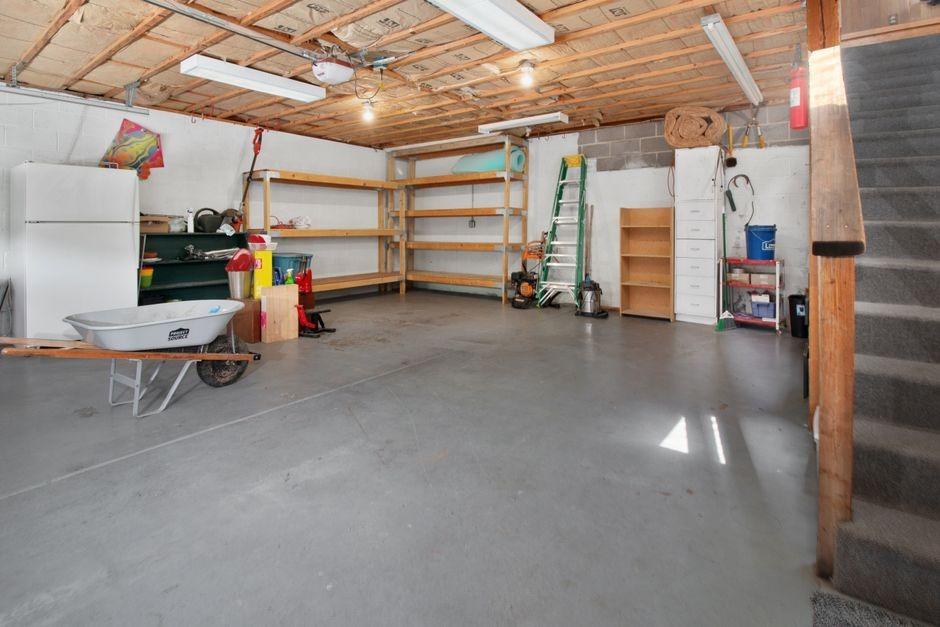
A messy garage sends a subtle signal that the house may not handle everyday life very well. Stacked bins, loose tools, and crowded corners make the square footage feel compromised. By contrast, a garage with clean vertical and ceiling clearance feels planned.
That matters in real estate because functional storage photographs well, shows well, and helps buyers picture fewer future expenses. If they can imagine bikes, holiday decor, sports equipment, and luggage fitting neatly, the home starts to feel more complete. You’re not just selling walls and a roof. You’re selling a smoother daily routine.
Ceiling Space Often Delivers the Biggest Visual Payoff
Most garages waste the one area buyers rarely expect you to optimize: the space overhead. Floors get crowded fast, especially in households with two cars, lawn equipment, and seasonal storage. Once the floor is cluttered, the whole garage feels smaller than it is.
That’s where overhead garage shelving changes the impression immediately. Mounted storage above eye level clears the footprint without forcing you to throw useful things away. It also shows a buyer that the home has been organized with intent, not patched together with random racks and plastic tubs.
From a practical angle, overhead systems work well for low-frequency items like camping gear, storage totes, coolers, and holiday decorations. During showings, that clean floor area can make parking easier, improve sightlines, and give the entire garage a more finished, high-function appearance.
Buyers Read Garage Organization as a Maintenance Signal
You may think storage is just about convenience, but buyers often interpret organization as evidence of upkeep. A tidy garage suggests you’ve been proactive about the rest of the property too. It creates confidence, and confidence affects offers.
When someone sees labeled bins, wall-mounted tools, and clear access around utilities, they don’t just notice neatness. They assume systems have been in place. They start expecting fewer deferred maintenance issues hiding elsewhere.
This is especially important when your listing competes with similar homes in the same price band. Features like updated lighting or fresh paint help, but garage organization can reinforce those upgrades by making the whole home feel operationally sharp.
Real estate agents often talk about buyer psychology in terms of friction. Every confusing or crowded area adds friction. A well-ordered garage removes it. The easier the home feels to manage, the easier it becomes for someone to picture themselves living there comfortably.
The Best Garage Storage Choices Support Real Daily Use
Not every storage solution improves a home’s appeal. Some systems eat up floor space, reduce car clearance, or look too customized for one hobby. The strongest upgrades are the ones that solve common household needs without making the garage feel overdesigned.
Ceiling-mounted shelving works because it protects the most flexible part of the room: the floor. Wall systems can help too, especially for tools, foldable chairs, extension cords, and yard gear. Freestanding shelves are less effective if they create visual bulk or block movement.
Think in terms of zoning. A buyer should be able to read the room quickly: vehicles here, storage there, utilities accessible, walkway open. That kind of layout feels almost architectural. It tells a story of efficient use rather than overflow.
If you’re preparing for a sale, avoid stuffing every available inch. The goal isn’t maximum capacity on paper. The goal is visible capacity, which feels far more valuable during a showing.
Good Garage Design Can Strengthen Listing Photos
Online listing performance starts with images, and garages are often overlooked in the photo strategy. That’s a mistake. While the garage may not be the emotional center of the home, it can support the perceived practicality of the property in a major way.
A garage with clear floors, balanced shelving, and open parking space looks brighter and larger in photos. It also helps buyers trust the listing. If the storage areas are clean and functional, they may assume the rest of the house has been presented honestly too.
This becomes even more useful in markets where buyers compare many homes quickly. A garage image that shows true utility can stand out more than another generic shot of an empty wall. Families, hobbyists, and people relocating from smaller spaces are often actively searching for workable storage.
You don’t need luxury finishes. You need visual order, usable dimensions, and a layout that reads instantly in a photo carousel.
Small Garage Upgrades Can Influence Appraisal Conversations Indirectly
Garage storage systems usually won’t produce a line-item appraisal bump the way a major renovation might. Still, they can contribute to the home’s overall condition narrative, and that affects how the property is perceived by buyers, agents, and appraisers walking through the space.
A garage that feels finished, efficient, and well maintained supports the broader impression that the home has been upgraded thoughtfully. That can be useful when your property is competing near the top of a neighborhood price range.
It also helps reduce the mental list of “projects” buyers think they’ll need after closing. If they don’t have to solve garage chaos on top of everything else, the home can feel more move-in ready. That matters financially because buyers tend to price inconvenience into their decision-making.
You’re not claiming storage racks equal a remodel. You’re shaping perceived livability, and perceived livability often has real pricing power in active residential markets.
If You Want Better Offers, Make the Garage Feel Intentional
The strongest pre-sale improvements are the ones buyers understand in seconds. Garage organization falls into that category. You don’t need a dramatic transformation. You need the space to feel useful, easy to maintain, and large enough for real life.
Start by removing dead storage, broken equipment, and anything you haven’t touched in years. Move seasonal items upward, keep daily-use items accessible, and protect floor space as if it were premium square footage. In many homes, it is.
When the garage feels intentional, the house feels more complete. Buyers notice that, even if they never say it out loud. They walk away remembering a home that seemed easier to live in than the others.
That memory matters. In real estate, small functional advantages often shape big decisions.