Beyond Teeth Whitening: How Full Smile Makeovers Craft Lasting Confidence
Many adults consciously hide their teeth in photos, cover their mouths when laughing, or hesitate to speak up in professional meetings. Minor chips, deep discoloration, missing teeth, or uneven spacing often cause a significant loss of confidence. Cosmetic dentistry provides specific, clinical solutions to restore your oral function and rebuild your smile. Today, treatments range from 60-minute in-office whitening sessions to comprehensive reconstructions involving multiple procedures tailored to your unique anatomy.
You do not have to live with a smile that makes you uncomfortable. This guide breaks down the core cosmetic treatments available today, what you can expect during the clinical procedures, and how long the results actually last.
The limits of everyday teeth whitening
Teeth naturally darken as you age. Regular consumption of coffee, tea, red wine, and tobacco accelerates this process, pushing stains deep into the microscopic pores of your enamel. While drugstore whitening strips provide minor superficial improvements, they rely on a weak 3% to 10% hydrogen peroxide solution. This requires weeks of daily application and often causes severe gum irritation because generic trays do not fit the unique contours of your mouth, allowing the bleach to leak onto soft tissues.
Professional in-office whitening is a completely different clinical procedure. Your dental care provider applies a highly concentrated bleaching gel, often between 25% and 40% hydrogen peroxide, directly to the teeth after protecting your gums with a specialized liquid barrier.
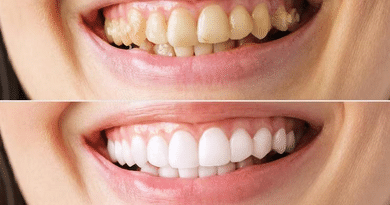
Whitening removes surface stains effectively, achieving a shade that is up to eight times lighter in just one 45-to-60 minute dental visit. However, bleaching chemicals cannot fix chipped edges, close wide gaps, replace missing teeth, or lengthen short teeth. For structural correction, you need a comprehensive approach.
Establishing a healthy clinical foundation
General dentistry focuses primarily on disease prevention and the structural integrity of your teeth. Cosmetic dentistry builds upon that healthy foundation to improve the visual aesthetics, symmetry, and proportion of your smile. You cannot place a porcelain veneer over active decay or inflamed gums.
Before starting any cosmetic enhancement, a comprehensive oral evaluation is non-negotiable. When you consult with Dr. Steven Perry or a qualified dentist in fredericktown mo, the first step involves capturing digital x-rays and conducting a thorough periodontal assessment. The provider removes all cavities, treats existing periodontal disease, and ensures your bone levels are stable before recommending any aesthetic procedures.
Once your clinical foundation is healthy, the focus shifts to aesthetics. Depending on your specific goals, the timeline for your transformation takes anywhere from a single appointment to a comprehensive 12-month treatment plan. Complex cases often require a phased approach to allow the gum tissues to heal and settle around new restorations before moving on to the next step.
Rebuilding structure with dental implants and crowns
If you are missing teeth, structural replacements take priority in the makeover sequence. Patients missing one or more teeth often struggle with shifting bites, bone loss, and difficulty chewing properly. A dental implant provides a permanent, stable replacement for the missing tooth root.
The dentist surgically places a titanium post directly into your jawbone. This post requires three to six months to fully fuse with the bone in a biological process called osseointegration. Only after that foundation is completely solid does the dentist attach the final custom-shaded implant crown. Because the implant replaces the tooth root, it prevents the jawbone from shrinking, maintains your facial structure, and prevents adjacent teeth from shifting into the empty space. Implants boast a clinical success rate of over 95% when placed in healthy bone.
Patients with severe wear from years of aggressive teeth grinding often require full-mouth rehabilitation to restore the vertical dimension of their bite. When your teeth wear down over decades, the lower third of your face collapses inward. By using a combination of porcelain crowns on the back molars to raise the bite and ceramic restorations on the front teeth, the dentist restores both the proper function of your jaw joint and the natural proportions of your face.
Porcelain veneers for lasting symmetry and color
When physical damage or severe misalignment requires front-facing structural correction, porcelain veneers offer a durable, highly aesthetic solution. These ultra-thin shells of medical-grade ceramic bond directly to the front-facing surface of your natural teeth.
Planning is the most critical phase of this procedure to prevent the bulky, artificial look associated with rushed cosmetic work. For example, patients seeking dental veneers in kissimmee fl with Dr. Jessica Ramos undergo a detailed facial symmetry analysis to ensure the ceramic restorations match their natural bite and aesthetic goals. This precise planning phase dictates the exact shape, length, and shade of your final veneers.
To ensure a flush fit at the gum line, the dentist typically removes about 0.5 millimeters of enamel from the front of the tooth. You then wear temporary acrylic veneers for one to two weeks while a specialized dental laboratory custom-fabricates your permanent restorations.
Once bonded with dental cement and cured with a specialized light, porcelain veneers are highly durable and resist stains far better than natural tooth enamel. With standard brushing, daily flossing, and routine dental cleanings every six months, porcelain veneers reliably last 10 to 15 years before requiring replacement.
Correcting alignment with clear aligner therapy
Sometimes, cosmetic issues stem from actual orthodontic misalignment rather than surface defects. Crooked or crowded teeth are difficult to keep clean, increasing your risk for plaque buildup, localized gum disease, and uneven wear on your enamel over time. Clear aligners move teeth safely into their proper positions without the metal brackets and wires of traditional braces.
Most clear aligner programs take between 12 and 18 months, depending on the severity of the crowding. You must wear the clear plastic trays for 22 hours a day, removing them only to eat, drink anything other than water, and perform your daily oral hygiene routine. Compliance dictates your orthodontic success. If you leave the trays out for extended periods, your teeth shift back toward their original positions, prolonging the treatment timeline.
Protecting your cosmetic dental investments
Cosmetic dentistry requires a serious commitment to excellent home care. Ceramic crowns and porcelain veneers do not decay, but the underlying natural tooth structure remains vulnerable to cavities, and your gums remain susceptible to periodontal infections. Flossing around dental implants requires specialized techniques, such as using water flossers or interdental brushes, to keep the gum tissue firmly attached to the implant collar.
To protect your restorations and maximize their lifespan, follow these clinical guidelines:
- Use the right products: Brush twice daily using a non-abrasive fluoride toothpaste. Highly abrasive whitening toothpastes scratch the surface of porcelain over time, dulling the shiny finish and creating microscopic grooves where bacterial plaque accumulates.
- Avoid mechanical damage: Do not chew on ice, hard candies, or use your teeth as tools to open packages.
- Wear a night guard: If you clench or grind your teeth at night, you need a custom acrylic night guard. The extreme pressure of nocturnal grinding fractures porcelain veneers and wears down natural enamel at an accelerated rate.
- Maintain clinical visits: Keep your routine exam appointments every six months. Your provider checks the integrity of the bonding margins, takes digital x-rays to monitor underlying bone levels, and removes hardened calculus that regular brushing leaves behind.