How Surgeons Minimize Visible Scarring During Facelift Surgery
One of the biggest concerns people have before facelift surgery is the thought of being left with visible scars. The idea of looking younger can be exciting, but nobody wants the signs of surgery to be the first thing others notice. This is why scar placement and proper healing are important parts of the surgical plan.
For people in Beverly Hills, where cosmetic procedures are part of many conversations about beauty and personal care, understanding how surgeons manage scars can help set clear expectations. A facelift does leave some scars because the surgeon needs to make incisions to lift and reshape the skin. However, careful planning, good surgical technique, and proper aftercare can help make those scars less noticeable.
Here is how the process works and what patients should know.
Why Does Facelift Surgery Leave Scars?
A facelift works by lifting and repositioning loose skin and deeper tissue around the face and neck. To do this, the surgeon needs to make small cuts, usually around the ears and sometimes along the hairline. These cuts allow access to the areas that need attention.
Whenever the skin is cut, the body starts a natural healing process that forms scar tissue. So, some scarring is expected after surgery. The goal is to place the cuts where they are less likely to be seen and help them heal as smoothly as possible.
The final look of a scar can depend on several things, including skin type, age, genetics, the way the wound is closed, and how well the patient follows aftercare advice. Even with careful surgery, scars can look different from one person to another.
Careful Incision Placement Makes a Difference
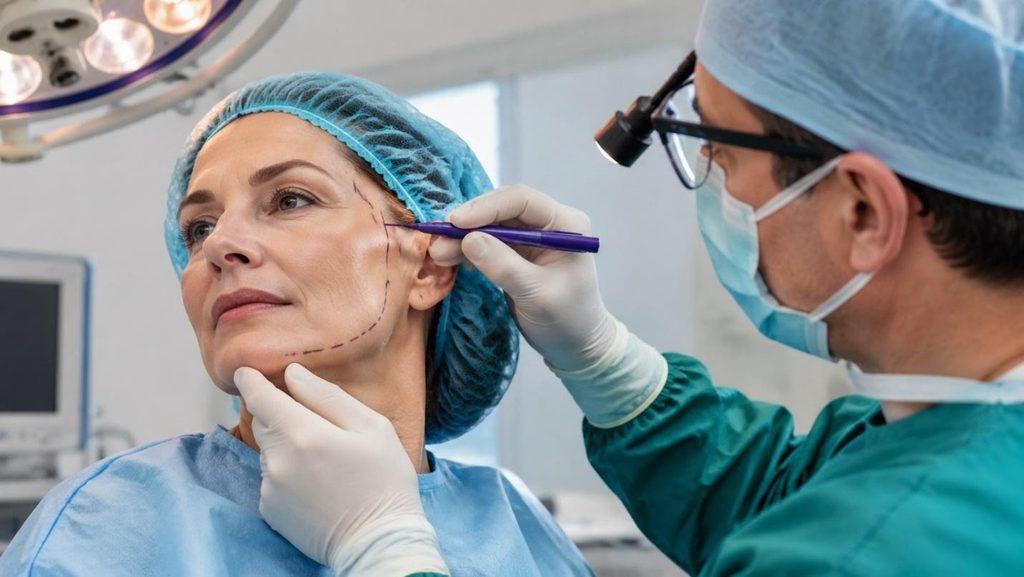
One of the main ways surgeons reduce visible scarring is by choosing where to make the incisions. They often use natural folds and less visible areas around the ears, near the hairline, and behind the ears.
These areas can help hide the marks once the skin has healed. For example, an incision placed within the natural crease near the ear may be harder to notice than one made across an open area of the cheek.
Hairline planning also needs care. If the cuts are placed poorly, they may change the natural shape of the hairline or leave visible marks near the temples. A good plan should take the patient’s hairstyle, hair growth, and facial shape into account.
A Gentle Surgical Approach Helps Protect the Skin
How the surgeon handles the skin and deeper tissue also affects the final result. Pulling the skin too tightly can place extra stress on the incision lines. This may lead to wider scars or an unnatural look around the ears and hairline.
Instead, surgeons work to lift and support the deeper tissue so the skin does not carry all the tension. They also remove only the amount of loose skin needed to reach the planned result.
Dr. Garth Fisher describes this careful approach through his Pinnacle Facelift technique. His treatment plan uses smaller, individual procedures based on each patient’s needs, with attention to keeping the hairline intact and placing scars in less visible areas. This shows why a facelift plan should be shaped around the person’s face rather than follow one fixed method.
The Way Incisions Are Closed Matters Too
After the lifting work is complete, the surgeon carefully closes the cuts. This step needs patience and a steady hand. If too much tension is placed on the skin, the scar may stretch as the wound heals.
Surgeons use fine stitches and careful closure methods to bring the edges of the skin together. The aim is to help the wound heal neatly while keeping stress on the incision as low as possible.
The American Academy of Facial Plastic and Reconstructive Surgery explains that surgeons can reduce visible scarring by placing incisions in less noticeable areas and using careful closure techniques. It also notes that scars tend to fade over time, although they may not disappear completely.
Choosing the Right Facelift Plan
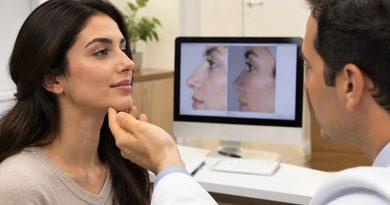
Not everyone needs the same type of facelift. Some people have mild skin sagging, while others have more loose skin around the jaw and neck. The surgeon must look at the face, skin quality, hairline, and areas that need attention before choosing an approach.
During a consultation for a face lift in Beverly Hills, patients can ask how the surgeon plans to place incisions, protect the hairline, and limit tension around the ears. Ask where the incisions will be placed, how the hairline will be protected, and what kind of scars you may have after healing.
The American Society of Plastic Surgeons reported 79,058 facelift procedures performed by its member surgeons in 2024. This shows that the procedure remains a common choice for people seeking facial changes. Still, the right plan should depend on the individual, not simply on what is popular.
Aftercare Plays a Big Part in Healing
The surgeon’s work is only one part of scar care. What happens at home during recovery also affects how the skin heals.
Patients should follow their care instructions closely and avoid rushing back into normal activities. Some useful steps include:
- Keep the incision areas clean: Follow the surgeon’s advice on washing and caring for the wounds.
- Avoid too much sun: Fresh scars can darken when exposed to sunlight. Protect the healing skin as directed by your care team.
- Do not pick at scabs: Let the skin heal without pulling or scratching the incision areas.
- Avoid smoking: Smoking can reduce blood flow and make it harder for wounds to heal.
- Attend follow-up visits: Your surgeon can check the healing process and address any concerns early.
It is also important not to use scar creams, oils, or other products on fresh incisions unless your surgeon approves them. Some products may irritate the skin or affect healing.
A Natural Result Starts With Careful Planning
Facelift scars are part of the healing process, but their final appearance can be influenced by many choices made before, during, and after surgery. Thoughtful incision placement, gentle handling of the skin, careful wound closure, and good aftercare all play a role.
The aim is to achieve a refreshed appearance without drawing attention to the surgery itself. Having an honest discussion with a qualified surgeon can help you understand what is possible and make a decision with realistic expectations.