How Many Tees Is Too Many? Building a Rotation That Holds
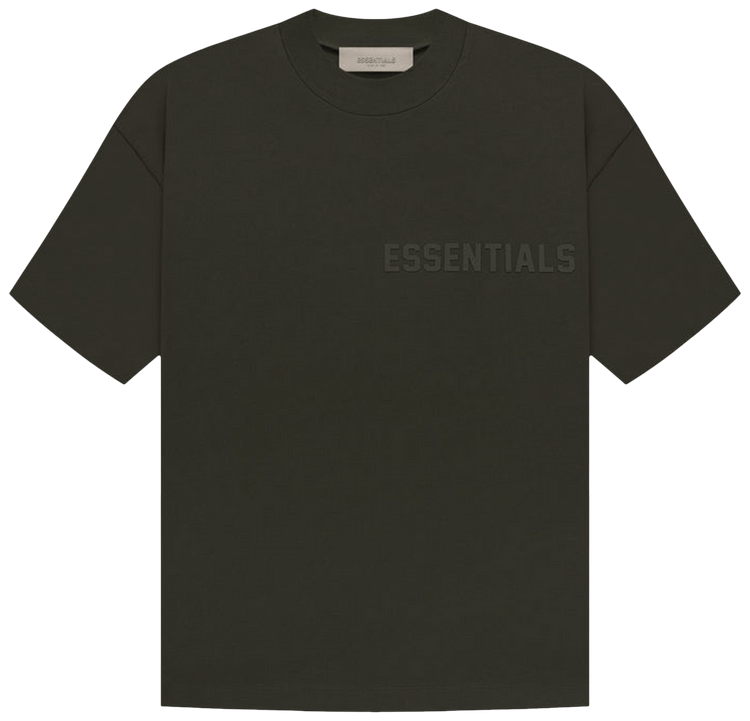
Count them. Not the gym ones, not the race shirt from 2019 — just the plain tees you’d actually wear out of the house to meet somebody. Most people land somewhere between two and nine, and nine is where this stops being a wardrobe question and becomes an arithmetic one, because the Essentials tees listed on the Essentials Website run $75 to $89 apiece.
So what’s the number? Four. I’ll defend that figure in a minute, but four is where the laundry math stops fighting you and the per-shirt cost stops being silly.
Four, because of laundry and nothing else
Here’s the part nobody actually works out before they hit checkout. A tee like this gets one wearing and goes in the hamper — two if it was November and you had a jacket on it all day. Then it waits. Dirty laundry sits three or four days in most houses before anyone cares enough to run a load, and if you’re hang-drying the way the care instructions ask, that’s another overnight before the shirt is folded and back in rotation.
Add it up and one tee is out of commission for roughly five days of the week. Four shirts covers that loop with one genuinely spare. Three covers it too, technically, but you’ll hit Thursday with exactly one clean option and it’ll be the color you were saving.
Hang-drying costs you a day, and you should pay it
The care guidance on these is straightforward enough — inside out, cold water, no bleach, low iron if you iron at all, hang dry, washed with like colors. Some of the blends carry a little polyester so they stretch and resist shrinking, which helps, but the dryer is still what ends a $75 shirt. Heat pulls the body up, the hem starts riding, and the neckline loses the shape that made the thing look expensive in the first place.
That overnight on the drying rack is the whole reason three feels tight and four doesn’t. Skip the dryer and plan around the extra day. Both, not one or the other.
Which colors earn a repeat slot
Thirty-odd pieces sit in the Essentials Shirts category at any given time, and that sounds like a buffet until you notice most of them are doing the identical job. Black does the heavy lifting — it reads clean under a flannel, it reads fine on its own, it hides the fact that you wore it yesterday. Dark brown is the sleeper pick, warmer than black against most skin tones and strangely good with denim that has gone pale at the knees. Those two are the backbone.
After that you’re buying for variety, not for function, which is a perfectly fine thing to do as long as you know that’s what you’re doing.
- Black goes in first. It covers the most days with the least thought.
- Dark brown second, because it does what black does without looking like the same outfit.
- Off-white or a cream third, purely so you have something that isn’t dark.
- Anything brighter is a fourth-slot purchase, and fourth slots are optional.
Gray is the one people regret
The classic gray tee photographs beautifully and it’s usually the first color somebody adds. Then July arrives. Mid-tone heathers show perspiration at the chest and under the arms within about twenty minutes of a 90 °F afternoon, and once that mark is visible it stays visible for the rest of the day. I’d still own one. I just wouldn’t make it the shirt I grab on a hot Tuesday in Houston or Atlanta, and I wouldn’t buy it before the two dark ones are already in the drawer.
The fourth is fine. The seventh is money you don’t get back.
Somewhere past five, each new tee starts stealing wearings from a shirt you already paid for rather than adding any. That’s the actual cost — not the $75, but the fact that the $75 shirt you bought in March now gets worn eleven times a year instead of forty, so the cost per wearing on the whole drawer climbs while the drawer itself gets harder to close.
There’s a second thing worth knowing before you add a color on impulse. Returns here are exchange or store credit rather than cash back, inside thirty days, and the shirt has to come back unworn with the tags still attached — so a shade you’re lukewarm about turns into a month-long decision instead of a refund. Buy the color you’re sure about. Order the maybe later, once you’ve seen the sure one in daylight.
| Pro Tip: If a color really is your top pick, buy it twice in the same size instead of buying two different shades. Stock moves fast on this line, a given color may never come back, and the shirt you reach for constantly is the one that’ll wear out first — having its twin already folded underneath beats hunting for a restock that may never come. |
Wear them in order, not by mood
Four shirts only works if all four actually get used, and left alone they won’t. Whatever lands on top of the stack gets worn two or three times as often as the shirt at the bottom, which is how people end up with one tee gone thin at the shoulder seams while three others still feel stiff. Fix it with the dullest rule imaginable: clean shirts go underneath, never on top. Takes no effort and it spreads the wear almost perfectly.
Replacement is the last piece. When one shirt finally goes — pinholes near the hem, a collar that won’t sit flat anymore — replace that one and only that one, then wait. Ordering a single tee runs about fifteen dollars in standard shipping and lands inside two weeks or so, since there’s a short processing window before anything leaves the warehouse, which is worth knowing if you were counting on it for a specific weekend.
| Key TakeawaysFour plain tees covers a normal week with one spare; three leaves you short by Thursday.A worn tee is out of rotation about five days once you factor in hang-drying.Black and dark brown are the two that earn repeat slots. Gray is a third pick, not a first.Past five shirts, each new one mostly steals wearings from shirts you already own.Returns are exchange or credit only within thirty days, unworn with tags, so buy the color you’re certain about. |
Honestly, the drawer tells on you. Run the bottom-of-the-stack rule for a month and you’ll open it to four shirts aging at the same speed — slightly softer, still the same shape, none of them obviously the favorite. That even wear is what a small rotation buys you, and it’s the one thing a drawer of nine can’t do.