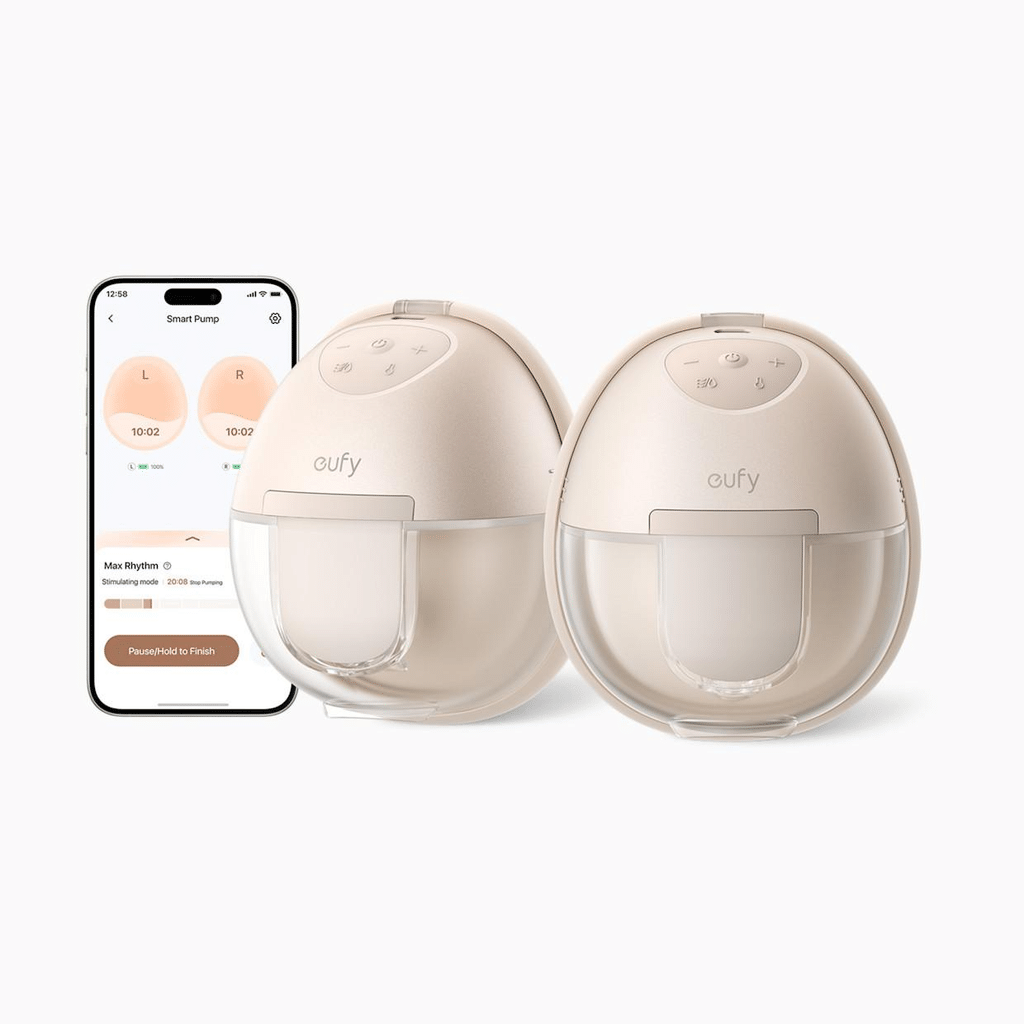
How Modern Breast Pump Designs Help Parents Manage Feeding Around Busy Daily Routines
Parenthood often requires people to adjust their schedules in ways they could never have fully anticipated. Feeding a baby, returning to work, managing household responsibilities, and finding time to rest can quickly turn an ordinary day into a series of competing priorities. For parents who express breast milk, choosing equipment that fits naturally into these routines can make a meaningful difference. The goal is not simply to find a device that performs a particular function but to identify a practical solution that supports comfort, flexibility, and consistency throughout the day. A wearable breast pump offers one approach to meeting these needs by combining a compact design with the ability to express milk without relying on a traditional tabletop setup.
The development of modern pumping equipment reflects a broader change in how manufacturers approach everyday parenting challenges. Instead of expecting parents to organize their entire schedules around feeding and pumping sessions, newer designs aim to accommodate the environments in which people already live and work. Smaller components, rechargeable power options, and adjustable operating settings can make expressing milk more manageable in different circumstances. However, the right choice depends on individual preferences, comfort requirements, feeding routines, and the practical limitations of each product.
Understanding these options begins with looking beyond product descriptions and considering how pumping equipment functions in real life. Parents may need a solution for quiet mornings at home, scheduled breaks during work, occasional travel, or regular pumping throughout the day. Each situation creates different demands, making it useful to evaluate design, fit, controls, cleaning requirements, and long-term costs before making a purchase. When these factors are considered together, it becomes easier to identify equipment that supports a routine rather than adding another complicated task to an already busy schedule.
Understanding the Shift Toward More Flexible Pumping Equipment
Traditional breast pumps have served many families effectively, but their designs can require users to remain near a power source, position themselves beside a collection unit, or manage tubing and external components. These arrangements may work well in a dedicated pumping space, particularly for parents who prefer a stationary setup. Difficulties can arise, however, when the same arrangement must be repeated in an office, shared living area, or other environment where space and privacy are limited.
Modern wearable models approach the problem differently by integrating the collection mechanism into a compact assembly designed to fit inside a bra. This configuration reduces the need for external bottles and tubing hanging from the body, depending on the particular model. The result can be a less conspicuous arrangement that is easier to incorporate into selected daily activities. Nevertheless, compact construction does not automatically make every device suitable for every user. Capacity, weight, fit, noise, and the placement of controls can all influence the overall experience.
Another important development is the growing variety of products available at different price points. Some devices concentrate on straightforward pumping functions, while others introduce additional settings, app-based controls, heating features, or specialised charging accessories. These differences allow consumers to compare equipment according to their priorities rather than assuming that the most expensive model is necessarily the best choice.
Why Fit and Comfort Should Come Before Extra Features
A breast pump must fit the user’s body properly to provide a comfortable and effective experience. Flange sizing is particularly important because the wrong size can cause discomfort, irritation, or difficulty expressing milk. A device may look attractive and offer numerous advanced features, but those advantages become less meaningful if its basic fit is unsuitable.
Parents should review the manufacturer’s sizing guidance and understand which flange sizes or inserts are compatible with the model they are considering. Measurements and sizing recommendations can vary between products, so information from one pump should not automatically be applied to another. If pumping causes persistent pain, skin damage, or unusual discomfort, users should stop and seek advice from a qualified lactation professional or healthcare provider.
Comfort also depends on the way a wearable unit sits inside clothing. A pump that feels manageable during a short session may become less comfortable during longer use, especially if its shape presses against the body or changes how clothing fits. Weight distribution, bra support, and ease of positioning deserve attention alongside suction settings and advertised collection capacity.
It is equally important to recognise that individual experiences differ. One parent may prefer a compact wearable model because it fits easily into a daily routine, while another may find a traditional electric pump more comfortable or effective. The best option is the one that meets personal feeding goals without introducing unnecessary discomfort or complications.
The Role of Adjustable Settings in Everyday Use
Modern pumping equipment often includes multiple suction levels and different operating patterns. These settings allow users to adjust the experience according to their comfort and preferences rather than relying on a single fixed intensity. Some devices also provide separate modes intended to support different stages of a pumping session.
More settings do not necessarily mean better results. Excessive suction can cause discomfort, and the strongest available level is not automatically the most effective. Parents should follow the manufacturer’s instructions and choose settings that feel comfortable while supporting their individual pumping goals.
Ease of control matters as well. A device may offer several modes, but those controls are only useful if the user can understand and operate them without difficulty. Clearly labelled buttons, accessible adjustments, and straightforward instructions can make regular use less frustrating. App-based controls may provide additional convenience on compatible products, although some users will prefer a simpler device that requires less setup.
Before purchasing a pump with advanced controls, it is worth identifying which features will actually be used. A parent who pumps occasionally may have different requirements from someone who expresses milk several times each day. Focusing on practical needs helps prevent paying for features that contribute little to the user’s routine.
Making Hands-Free Pumping Work Within Realistic Limits
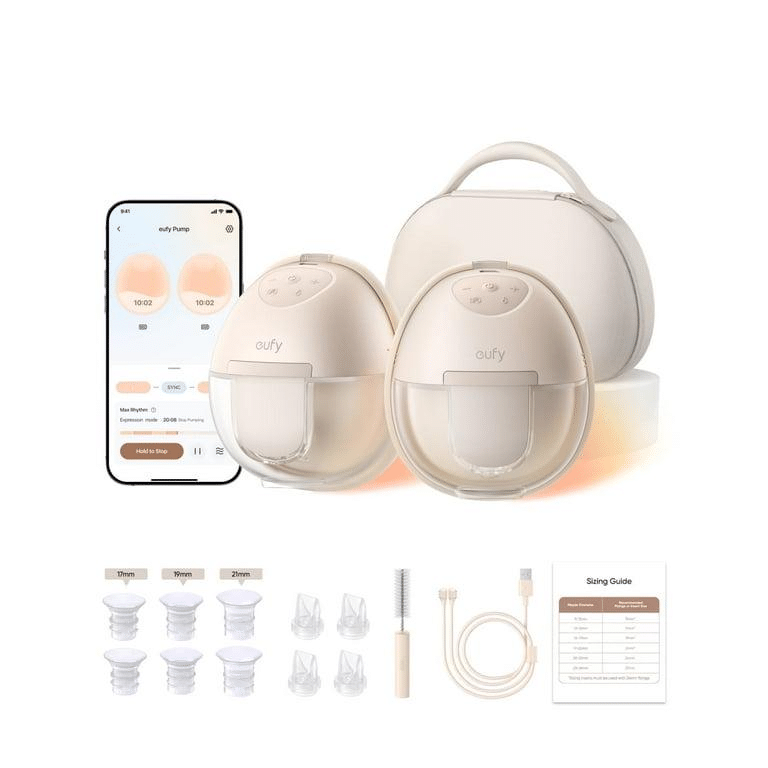
The appeal of a breast pump canada is closely connected to the desire for greater flexibility. Because the device is worn inside a bra, users may be able to complete certain light activities during a session instead of remaining beside a separate pumping unit. Depending on comfort and fit, this can make it easier to manage a work break, prepare a simple meal, or take care of another low-effort task.
However, hands-free operation should not be confused with unrestricted activity. Walking around, changing positions, bending, or moving quickly may affect comfort and increase the possibility of milk leakage. The collection container also has a finite capacity, meaning that it must be emptied according to the manufacturer’s guidance. Users should avoid activities that could dislodge the device or compromise hygiene.
Privacy remains another consideration. Although wearable pumps can reduce the visibility of equipment, they are not necessarily silent or completely undetectable under every outfit. Clothing thickness, device shape, operating noise, and body movement can all influence how noticeable a pump is. Parents who plan to use one at work or in public may want to consider these factors before relying on it in situations where discretion is particularly important.
It is also sensible to establish a routine before using a wearable pump in a demanding environment. Trying the device at home can help users understand its controls, check the fit, identify any leakage issues, and learn how to assemble and remove it correctly. Becoming familiar with the equipment first can reduce the likelihood of unexpected problems when time is limited.
Choosing Features That Match Work and Travel Requirements
Returning to work often changes how parents organise feeding and milk expression. Available break times, access to private spaces, refrigeration, and the distance between meetings or tasks may influence which pump is most practical. A wearable design can be useful when a parent needs a compact setup, but the surrounding workplace arrangements still matter.
Battery life is one of the most important considerations for users who expect to pump away from home. A rechargeable device may be convenient, but its actual usefulness depends on how long it operates per charge, how frequently it will be used, and whether charging facilities are available. A charging case can add flexibility on compatible models, although it also affects the total price and the amount of equipment that must be carried.
Parents who travel regularly should consider the complete process rather than looking at the pump alone. Storage containers, milk-cooling arrangements, cleaning supplies, spare parts, and access to suitable washing facilities may all be necessary. A compact device can reduce the space required for pumping equipment, but it does not eliminate the need to handle expressed milk safely.
For workplace use, it may also be helpful to establish a predictable schedule and identify an appropriate location for assembling, removing, and cleaning the pump. Even when the actual pumping session takes place discreetly, preparing the equipment and storing milk may require a clean and private area. Planning these details in advance can make the overall routine easier to maintain.
Comparing Product Designs Without Overlooking Practical Costs
The market for wearable pumps includes products with different configurations and levels of complexity. Some focus on essential pumping functions, while others combine several convenience features in one system. The eufy range available through Anker Canada, for example, includes multiple wearable pump models and accessories, so consumers should compare individual product specifications instead of assuming that every model offers identical capabilities.
Features such as heating, app connectivity, charging cases, and specialised flange components can influence both the price and the everyday experience. Their value depends on how well they address a genuine need. A feature that saves time or improves comfort for one person may be unnecessary for another.
The initial purchase price is only one part of the cost. Replacement parts, compatible accessories, cleaning supplies, and potential repairs can affect the longer-term expense. Buyers should check what is included in the package and confirm the price and availability of compatible components before committing to a particular model.
Warranty coverage and customer support also deserve attention. Parents who rely on a pump regularly may find it especially important to understand the warranty period, the process for obtaining replacement parts, and the manufacturer’s guidance for troubleshooting. A product with suitable support may provide greater practical value than one selected solely because it has an impressive feature list.
Keeping Pumping Equipment Clean and Ready to Use
Cleaning is an essential part of using any breast pump. Wearable designs may reduce the number of external components, but they still contain parts that come into contact with breast milk and therefore require appropriate handling. Parents should follow the cleaning, sanitising, drying, and storage instructions supplied with their specific device.
Before each session, it is useful to check that the components are assembled correctly and that collection containers are clean and dry. After pumping, milk should be transferred or stored using appropriate food-safe containers and handled according to recognised breast milk storage guidance. Cleaning should not be postponed simply because the equipment appears tidy from the outside.
Some pump components may be washable, while others contain motors, electronic controls, or other parts that must not be immersed in water. The distinction matters because incorrect cleaning can damage equipment or create avoidable hygiene risks. Users should never assume that every component can be treated in the same way.
A simple cleaning routine can help make the process more consistent. Keeping a designated space for clean parts, separating used components from ready-to-use equipment, and checking the manufacturer’s instructions when replacing accessories can reduce confusion. Parents who pump frequently may also want to plan for spare compatible parts so that a missing or wet component does not disrupt the next session.
Understanding Milk Output and Individual Pumping Needs
Milk output can vary from one session to another and is influenced by several factors, including the time of day, the interval since the previous session, the user’s individual physiology, and the fit of the equipment. A pump’s advertised suction strength or number of settings cannot guarantee a particular volume of expressed milk.
For parents who are comparing devices, it is helpful to distinguish between convenience and effectiveness. A wearable pump may be easier to incorporate into a daily schedule, but that does not mean it will work equally well for everyone. Some users may achieve their goals with a wearable design, while others may prefer a traditional electric pump or use different equipment in different circumstances.
Monitoring comfort, consistency, and practical outcomes can help users assess whether a device meets their needs. If milk output changes unexpectedly, pumping becomes painful, or there are concerns about whether a baby is receiving enough milk, professional guidance is more useful than simply increasing suction or changing equipment without understanding the cause.
Parents should also remember that pumping needs can change over time. A device chosen during the early weeks after birth may serve a different purpose when someone returns to work or begins expressing milk less frequently. Reviewing the equipment’s role as routines evolve can help families make informed decisions without assuming that one product must suit every stage.
Final Thoughts
Choosing breast pumping equipment involves more than comparing technical specifications or selecting the model with the most features. Comfort, fit, cleaning requirements, battery performance, portability, and the ability to maintain a practical routine all influence whether a device is suitable for everyday use. Modern wearable designs offer additional flexibility for parents who want to integrate pumping into different environments, but their benefits depend on individual needs and the specific capabilities of each model.
Taking time to compare product details, understand sizing guidance, and consider the realities of work, travel, and home life can make the decision more straightforward. The most useful pump is not necessarily the most advanced one. It is the option that supports the user’s feeding goals, feels comfortable, and fits naturally into the demands of daily life.
Frequently Asked Questions
Are wearable breast pumps suitable for everyday use?
They can be suitable for regular use when the device fits comfortably and meets the user’s milk-expression needs. Suitability varies between individuals, so parents should assess comfort, output, cleaning requirements, and the manufacturer’s instructions before relying on a wearable model for every session.
Can a wearable pump be used while working?
Many people choose wearable pumps because their compact design can make pumping more convenient during a workday. However, workplace suitability depends on the device’s noise level, fit, battery life, clothing, available breaks, and the arrangements needed to clean and store expressed milk safely.
Do all wearable pumps include heating and app controls?
No. Features differ by model, and some products may include functions that others do not. Buyers should review the official specifications for the exact model they are considering rather than assuming that a feature advertised for one device is available throughout an entire product range.
How important is flange size when choosing a pump?
Flange size is important because an unsuitable fit can cause discomfort and interfere with effective milk expression. Users should follow the sizing guidance for their particular pump and seek qualified lactation support if they experience persistent pain or difficulty.
What should parents consider before buying a wearable pump?
Important considerations include fit, comfort, collection capacity, operating noise, battery performance, cleaning requirements, compatible replacement parts, warranty coverage, and total cost. It is also helpful to consider when and where the device will be used most often so that its features match real daily needs.