How Regular Dental Visits Protect Your General Health and Family Budget
Most people treat dental appointments like car oil changes. They know they should go every six months, but if nothing hurts or rattles, it feels easy to push off the calendar.
That delay costs more than patients realize. Oral health does not exist in isolation from the rest of the body. Chronic gum inflammation connects directly to systemic conditions like cardiovascular disease and diabetes management. At the same time, minor tooth decay that could take twenty minutes to treat with a small filling will quietly erode enamel until it requires an extraction or a root canal.
Taking control of your family’s oral care means understanding what happens between routine cleanings, how restorative care works, and when specialized treatment makes sense.
The Hidden Progression of Preventative Care
Preventative visits do far more than scrape plaque off front teeth. During a routine exam, clinicians check bone density, screen soft tissues for abnormal cellular changes, and inspect existing restorations for micro-fractures.
The progression of oral disease is slow, silent, and entirely predictable:
- Demineralization starts when bacterial acid softens outer enamel. Fluoride treatments and improved hygiene can actually reverse this stage before a physical cavity forms.
- Enamel decay breaks through the outer shell. Once bacteria penetrate the enamel, the tooth cannot heal itself, and a filling becomes necessary.
- Dentin decay moves quickly through the softer layer beneath the enamel, often triggering cold and sweet sensitivity.
- Pulp infection happens when bacteria enter the nerve chamber, causing throbbing pain and requiring root canal therapy or removal.
Catching enamel changes at stage one or two saves thousands of dollars over a lifetime. Establishing a routine baseline with a dependable family clinic ensures these issues never reach the nerve. If you live in Clark County and need a thorough oral baseline for your household, finding an experienced dentist in vancouver WA gives your family access to diagnostic digital imaging and gentle cleaning protocols that catch enamel wear early.
Managing Pediatric Dental Milestones
Children present unique dental needs because their teeth, bite, and jaw alignment shift constantly between infancy and high school. Waiting until a child complains of a toothache usually means a cavity has already grown deep.
Baby teeth serve as natural space maintainers for permanent teeth. When a child loses a primary molar prematurely to decay, surrounding teeth drift inward, crowding adult teeth and complicating future orthodontic work.
Parents can safeguard young smiles by tracking key growth intervals:
- First birthday: Schedule an initial checkup to check gum development, evaluate tongue ties, and review feeding habits.
- Age six: First permanent molars erupt behind baby teeth. Clinicians should evaluate deep chewing grooves and apply protective sealants.
- Age eight: Front permanent teeth emerge, revealing early signs of crossbites or severe crowding that early interceptive orthodontics can address.
- Teen years: Monitor wisdom tooth development and protect active athletes with custom-fitted athletic mouthguards.
Instilling positive associations with the dental chair early prevents the dental anxiety that keeps many adults away from necessary care later in life.
Navigating Restorative and Aesthetic Enhancements
Once baseline oral health is stable, many adults explore ways to fix functional damage, correct uneven wear, or brighten stained teeth. Decades of chewing, grinding, and drinking dark liquids leave noticeable marks on teeth that daily brushing cannot erase.
Aesthetic dental work focuses on long-term structure just as much as appearance. Fixing an uneven bite edge protects against future chipping, while closing gaps eliminates food traps that irritate delicate gum tissue.
Popular elective and restorative options include:
- Professional whitening, which penetrates internal tooth dentin using concentrated carbamide or hydrogen peroxide gels, delivering results over-the-counter strips cannot match.
- Porcelain veneers, designed to mask deep intrinsic stains, chips, and minor spacing gaps with durable ceramic facings.
- Tooth-colored composite bonding, which patches small chips and sharp edges during a single visit.
- Dental implants, replacing lost roots with medical-grade titanium to preserve facial bone structure.
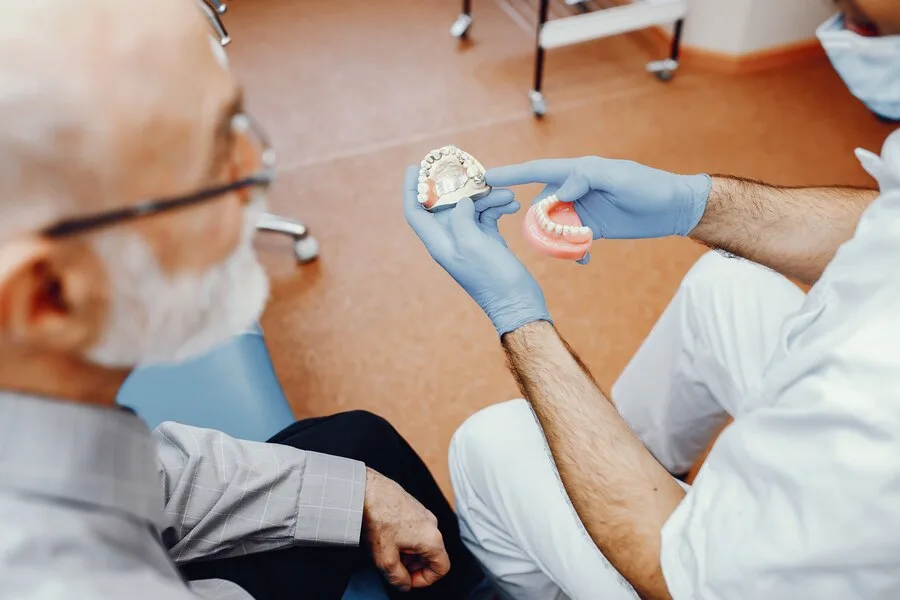
Every smile demands a customized approach that respects facial structure, gum health, and chewing mechanics. Working with an experienced cosmetic dentist in ballwin allows patients in the St. Louis area to map out restorative solutions that balance natural tooth preservation with balanced aesthetic outcomes.
Building a Consistent Daily Routine at Home
Professional cleanings happen twice a year, leaving 363 days of preventative care entirely in your hands. The tools you choose and the habits you maintain determine whether your next dental appointment is an easy checkup or an expensive surprise.
High-efficiency home habits include:
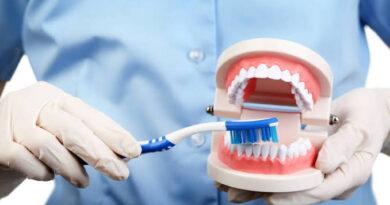
- Brushing with a soft-bristled or oscillating electric toothbrush for two full minutes twice each day. Hard bristles wear away enamel and recede sensitive gums.
- Cleaning between teeth once daily using dental floss, interdental brushes, or water flossers to clear plaque colonies that bristles cannot reach.
- Swishing with water immediately after drinking coffee, tea, soda, or citrus beverages to normalize oral pH levels before brushing.
- Replacing toothbrush heads every three months, or immediately after recovering from a cold or viral illness.
Preventative dentistry is an ongoing partnership between daily home discipline and professional clinical care. Prioritizing routine exams today keeps your teeth functional, pain-free, and healthy for years to come.
What questions do you have about transitioning your household to a steady preventative dental routine?