Complete Oral Health Roadmap: From Routine Family Prevention to Advanced Restoration
Most people only evaluate their teeth when pain strikes. Dental visits often end up reactive, driven by sudden sensitivity while chewing ice or an unexpected crack in a molar during dinner. According to data from the Centers for Disease Control and Prevention, roughly one in four adults between ages 20 and 64 lives with untreated tooth decay. By retirement age, nearly one in five adults has lost all of their natural teeth.
These patterns are rarely inevitable. Oral diseases are almost entirely preventable when intercepted early, and even significant structural damage can be repaired before it leads to chronic pain or systemic inflammation. Managing oral care across a lifetime comes down to understanding two parallel tracks: baseline maintenance that protects healthy enamel and targeted restorative procedures that address missing or failing teeth.
Here is how families and individuals can assess their routine care, manage common household dental challenges, and navigate tooth replacement options.
Foundations of everyday hygiene for growing households
Effective oral wellness begins at home, yet standard routines frequently miss the mark on basic mechanical plaque removal. Plaque forms continuously as mouth bacteria feed on dietary carbohydrates, creating an acidic biofilm that slowly dissolves tooth enamel.
Mechanical plaque control and brushing habits
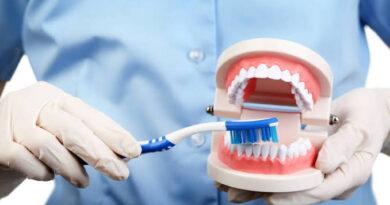
Two minutes twice daily remains the benchmark, but technique matters far more than force:
- Brush angle and pressure: Hold bristles at a 45-degree angle toward the gumline. Use gentle, circular motions rather than sawing back and forth across the bite surfaces. Aggressive scrub brushing causes cervical abrasion, wearing down protective enamel and pushing back delicate gum tissue.
- Bristle selection: Always choose soft or extra-soft bristles. Medium and hard bristles damage gum margins over time without clearing away plaque any more effectively.
- Interdental cleaning: Flossing clears away food debris and biofilm from the contact points between teeth where toothbrush bristles cannot reach. Whether you prefer traditional string, woven dental tape, or calibrated interdental brushes, clearing these tight gaps daily prevents interproximal cavities.
- Rinsing protocols: Avoid rinsing your mouth with tap water immediately after using a fluoridated toothpaste. Spitting out the excess without an instant water rinse allows active minerals to absorb directly into enamel for longer.
Addressing unique age milestones
Oral requirements change significantly across different stages of life. Toddlers require parent-assisted brushing as soon as their primary teeth erupt, alongside early examinations to monitor jaw development and bite alignment. Adolescents wearing fixed orthodontic brackets often struggle with plaque retention along wire margins, requiring specialized threaders and antimicrobial rinses.
Adults, meanwhile, face higher rates of root exposure, enamel erosion from acidic diets, and tooth wear related to clenching or nocturnal grind habits. Scheduling regular cleanings and comprehensive exams with a qualified dentist in winnipeg MB gives patients an established partner to screen for periodontal pockets, inspect soft tissue for oral abnormalities, and address structural issues before they require root canals or emergency extractions.
Managing tooth loss and progressive bone resorption
When a natural tooth cannot be saved due to severe trauma, advanced decay, or deep periodontal breakdown, extraction becomes necessary. The loss of a tooth creates immediate cosmetic and functional concerns, but the hidden consequences beneath the gumline present greater long-term issues.
The biological impact of missing roots
Natural tooth roots sit anchored within alveolar bone. Every time you chew, bite forces transmit through the root, creating microscopic mechanical stimulation in the jaw. This physical signal tells the body that the underlying bone tissue is active, needed, and healthy.
Once an extraction occurs, that mechanical stimulation stops completely. Within the first twelve months following an extraction, the site can lose up to 25 percent of its width through natural bone resorption. As the alveolar ridge recedes:
- Adjacent teeth tilt into the open gap, creating abnormal bite angles.
- Opposing teeth in the opposite arch over-erupt, drifting downward or upward into the void.
- Lip and cheek tissue lose internal support, contributing to premature facial sagging.
- Food traps form around shifting teeth, raising the local risk for decay and gum infections.
Evaluating permanent tooth replacement solutions
Restoring an incomplete smile requires choosing between removable appliances, tooth-supported bridge work, and surgically anchored prosthetic roots.
Removable dentures and traditional bridges
Removable partial dentures offer a non-invasive way to replace multiple missing units at once. However, they rely on existing teeth for clasp retention and rest directly on top of the soft gum tissue, doing nothing to halt internal jawbone atrophy.
Traditional dental bridges span the gap by filing down adjacent natural teeth into abutment posts that support a suspended false tooth (pontic). While bridges provide a stable, non-removable bite, altering healthy enamel on nearby teeth creates a permanent commitment to maintaining connected crowns. If an abutment tooth develops a cavity under the margin years later, the entire multi-unit restoration must be removed.
The functional advantages of root-form fixtures
Endosteal fixtures solve the root-loss problem by placing a medical-grade titanium or zirconia screw directly into the jawbone. Through osseointegration, living bone cells fuse securely with the biocompatible post over several months, creating a permanent artificial root.
Patients researching long-lasting tooth replacement through dental implants avon lake oh can preserve surrounding alveolar bone volume, regain normal masticatory force, and protect adjacent teeth from unnecessary crown reduction. Once the implant fixture integrates, an abutment and custom porcelain crown are affixed to the top, matching the natural contour, shade, and alignment of the surrounding dentition.
Because the final restoration stands completely independent of surrounding teeth, flossing between units remains identical to caring for natural enamel.
Preventing long-term complications through sustained maintenance
Investing in restorative procedures requires a lifelong commitment to preventive hygiene. Just as natural teeth can develop periodontitis, artificial fixtures can fall victim to peri-implantitis—a localized inflammatory condition caused by subgingival plaque that erodes supporting bone around the post.
To keep both natural and restored teeth functioning comfortably:
- Maintain scheduled professional cleanings every six months to clear hardened calculus deposits that regular toothbrushes cannot budge.
- Wear a custom-fitted nightguard if you wake up with morning jaw soreness or show signs of flattened enamel cusps.
- Limit frequent snacking on fermentable carbohydrates and acidic carbonated drinks, which continuously lower salivary pH and accelerate demineralization.
- Replace your toothbrush or electric brush head every 90 days, or immediately after recovering from a viral illness.
Are you overdue for a routine cleaning, or currently living with an unaddressed missing tooth? Scheduling an assessment with your local clinician is the fastest way to protect your bite, preserve natural bone structure, and establish an actionable care plan tailored to your lifestyle.