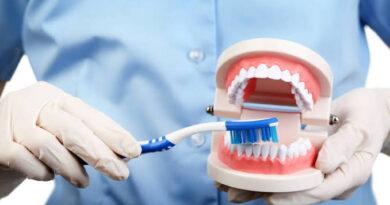
Long-Term Oral Health Strategies: How to Build a Routine That Protects Your Family’s Teeth
A solid dental care routine rarely happens by accident. Most people brush their teeth twice a day and assume that covers the basics, yet tooth decay remains one of the most common chronic health conditions globally. In fact, roughly 90% of adults aged 20 to 64 have had decay in their permanent teeth, according to data from the Centers for Disease Control and Prevention. That gap between daily intentions and long-term oral health usually comes down to small, overlooked details: technique, timing, and how consistently you address issues before they cause pain.
Establishing an effective home regimen means looking beyond basic surface cleaning. It requires understanding how diet, hygiene habits, and preventive dental checkups work together to preserve natural tooth structure across every stage of life.
1. Deconstructing the Mechanics of Plaque and Enamel Loss
Tooth decay is not an overnight occurrence. It begins with dental biofilm, commonly known as plaque, which forms continuously as naturally occurring mouth bacteria interact with residual food sugars and starches.
When these bacteria break down carbohydrates, they produce acid as a byproduct. This acid slowly demineralizes the enamel, stripping away calcium and phosphate. Over weeks and months, repeated acid attacks break through the enamel shield, reaching the softer dentin beneath and eventually creating a cavity.
Key risk factors that accelerate this breakdown include:
- Frequent snacking: Grazing throughout the day resets the acid production cycle continuously, leaving saliva little time to remineralize the surface.
- Dry mouth (Xerostomia): Saliva neutralizes acid and washes away food particles; reduced salivary flow dramatically increases cavity rates.
- Acidic drinks: Coffee, citrus juices, and carbonated beverages erode enamel directly, making it easier for bacteria to penetrate.
- Improper brushing pressure: Brushing too hard strips weakened enamel and recedes gum tissue, exposing sensitive root surfaces.
Protecting your enamel comes down to disrupting the biofilm mechanically and giving your saliva enough time between meals to do its restorative job.
2. Setting Up an Effective Home Oral Hygiene Routine
Most adults spend less than 45 seconds brushing their teeth, falling far short of the two minutes recommended by dental professionals. Rushing the process leaves behind stubborn plaque in high-risk zones, such as the back molars and the gumline.
To get the most out of your daily routine, focus on consistent, deliberate technique:
- Use a soft-bristled brush: Medium and hard bristles cause micro-abrasions along the enamel and irritate the gums. Replace your toothbrush or electric brush head every three months.
- Angle the bristles at 45 degrees: Direct the bristles toward the gumline using small, circular motions instead of sawing back and forth across the teeth.
- Clean interdental spaces daily: Floss or interdental brushes reach the contact points where tooth surfaces meet, areas that account for nearly one-third of all tooth decay.
- Wait before brushing after meals: If you eat something acidic, wait roughly 30 minutes before brushing. Scrubbing immediately rubs the acid deeper into softened enamel.
When your family’s routine is consistent, finding reliable local care keeps everyone on track. For residents in Montgomery County managing family checkups and routine exams, consulting an experienced dentist in jenkintown pa such as the ones you meet at MVP Family Dental ensures that pediatric monitoring, tartar removal, and preventive cleanings happen on schedule.
3. Preventive Care Across Different Life Stages
Oral health priorities shift as family members age. What works for a school-aged child will not address the dental concerns of a working adult or a senior family member.
Pediatric Needs
Children have thinner enamel layers on their primary teeth, which leaves them vulnerable to rapid cavity progression. Parents should supervise brushing until children develop sufficient manual dexterity, typically around age seven or eight. Fluoride varnishes and dental sealants applied to the deep grooves of molars provide significant defense against childhood cavities.
Adult and Restorative Needs
Adults often juggle worn fillings, early gum disease (gingivitis), and clenching or grinding habits related to stress. Untreated gingivitis can advance to periodontitis, which attacks the supporting bone around the teeth and remains the leading cause of adult tooth loss. Catching inflammation early saves teeth and prevents costly restorative procedures later on.
4. Addressing Wear, Alignment, and Aesthetic Concerns
While preventive care keeps teeth healthy and functional, structural wear and discoloration often occur naturally over decades. Coffee, tea, tobacco, and natural aging darken tooth enamel, while nighttime grinding causes small micro-fractures, chipped edges, and uneven biting planes.
Addressing these issues often requires specialized clinical approaches that combine tooth structure restoration with subtle aesthetic refinements:
- In-office whitening: Safe, controlled applications of hydrogen peroxide or carbamide peroxide lift deep internal stains without eroding enamel.
- Porcelain veneers and bonding: Custom composite bonding repairs small chips and uneven edges, while veneers correct deeper structural defects and intrinsic discoloration.
- Clear aligners: Correcting crowded or crooked teeth improves more than just appearance; aligned teeth are significantly easier to brush and floss thoroughly.
For patients looking to restore broken margins, fix alignment, or brighten stained teeth, scheduling a consultation with a qualified cosmetic dentist in lafayette la provides customized treatment options ranging from conservative bonding to comprehensive smile rehabilitation. Sola Dental happens to have clinicians who have such expertise, so they may be a good option to look at.
5. Nutrition, Hydration, and Enamel Remineralization
What you eat directly impacts your oral microbiome. Sugar-laden foods are obvious culprits, but sticky carbohydrates like pretzels, dried fruit, and chips cling to tooth fissures longer than many sweet treats, providing fuel for bacteria for hours.
To support healthy enamel from within:
- Drink plenty of fluoridated water: Drinking tap water hydrates the mouth and supplies small amounts of fluoride that incorporate directly into developing and mature enamel crystals.
- Incorporate crunchy vegetables: Raw carrots, celery, and apples stimulate saliva production and help clean tooth surfaces during chewing.
- Include calcium and phosphorus-rich foods: Yogurt, cheese, leafy greens, almonds, and lean meats provide the essential minerals required to remineralize microscopic enamel weaknesses.
- Chew sugar-free gum with xylitol: Chewing gum after meals stimulates saliva flow, while xylitol actively inhibits bacterial reproduction.
Take Charge of Your Family’s Dental Health
Maintaining great oral health is a lifelong process made up of small, daily habits. Brushing thoroughly twice a day, flossing consistently, watching acidic food intake, and visiting your dentist for routine evaluations protect your natural teeth and prevent complex issues down the road.
Take a quick look at your current home dental station. Are your toothbrushes overdue for a replacement, or has it been more than six months since your last professional cleaning? Making small adjustments today keeps your teeth strong and your smile healthy for decades to come.