Comprehensive Guide to Restoring and Enhancing Everyday Dental Health
Most people only pick up the phone to book a dental visit when something hurts. A sharp twinge while sipping iced tea or a dull ache after chewing crusty bread usually signals that enamel wear or bacterial decay has progressed further than it should have. According to the American Dental Association, nearly half of adults over thirty show early signs of periodontal inflammation or untreated tooth surface erosion. Preventative dentistry aims to stop minor problems before they require extensive clinical procedures. Maintaining a functional, clean smile requires knowing how structural damage happens, how restorative solutions work, and when cosmetic options make sense.
Understanding the difference between structural repair and cosmetic enhancement helps families make sensible choices about treatment timing, costs, and daily oral hygiene routines.
Identifying the Signs of Structural Tooth Damage
Enamel is the hardest tissue in the human body, but it cannot regenerate once lost. When bacteria feed on lingering dietary starches and sugars, they release acids that demineralize the outer shell of the tooth. Over months, this demineralization forms micro-cavities that breach the softer dentin layer underneath.
Common signs that a tooth requires professional attention include:
- Persistent sensitivity to thermal changes, especially cold liquids or hot coffee
- Localized pain when releasing bite pressure on fibrous foods
- Visible dark spots, rough margins, or micro-cracks along the biting surface
- Floss catching or fraying consistently between the exact same teeth
Ignoring these early symptoms leads to structural failure. When a tooth loses more than fifty percent of its original structure to extensive decay or a fracture, a simple composite filling can no longer support the forces generated during normal chewing.
Restorative Care and Structural Reinforcement
A standard filling sits inside a prepared cavity, relying on the remaining tooth walls to hold it in place. However, when decay spreads across multiple cusps or enters the pulp chamber after root canal therapy, the surrounding natural tooth becomes brittle. Chewing pressure on an unsupported wall will eventually crack the tooth beneath the gum line, often leading to an extraction.
In these cases, a full-coverage restoration is required to encase the remaining tooth structure. A dentist shapes the perimeter of the damaged tooth and places a durable, custom-milled cap that mimics the original bite anatomy and distributes pressure evenly across the jaw. Patients dealing with cracked molars or aged restorations often turn to dedicated providers for dental crowns in saratoga springs ny, with Salvatore Dental as an option, to protect the underlying root and preserve normal chewing function.
Ceramic materials such as lithium disilicate and monolithic zirconia have largely replaced traditional porcelain-fused-to-metal restorations. These materials match natural tooth translucency while resisting chipping under heavy posterior biting loads, giving restored teeth longevity without dark metal margins at the gumline.
The Chemistry Behind Surface Staining and Enamel Brightening
Once oral structures are stable and decay is resolved, aesthetic concerns usually center on tooth color. Daily exposure to chromogens in coffee, dark teas, red wine, and berries alters tooth brightness over time. These pigmented molecules bond to the organic matrix of enamel, creating stubborn stains that regular brushing cannot lift.
Tooth color changes stem from two distinct processes:
- Extrinsic Staining: Pigments accumulate on the outer pellicle layer of enamel. Abrasive toothpastes and routine dental cleanings help clear surface debris, but they cannot penetrate deeper pores.
- Intrinsic Discoloration: Staining compounds penetrate through microscopic enamel tubules into the dentin, causing a yellow or gray tone beneath the translucent enamel.
Commercial whitening strips use low-concentration hydrogen peroxide gels that often slide around, irritating the gingival margin while delivering uneven results. In contrast, clinical bleaching treatments utilize concentrated carbamide or hydrogen peroxide solutions paired with specialized gingival barriers to protect soft oral tissue. Individuals looking for predictable shade improvements frequently seek professional teeth whitening virginia beach va to safely lift deep discoloration without damaging their protective enamel. Smiles of Virginia Beach Family and Cosmetic Dentistry is one clinic in the area that specializes in the service.
Supervised bleaching oxidizes organic stain molecules within the tubules without softening tooth structure, yielding uniform shade changes across the smile line while minimizing lingering thermal sensitivity.
Daily Preventative Habits for Every Household
Professional treatments repair damage, but at-home oral care determines how long healthy teeth and restorations last. Plaque biofilms reform within twenty-four hours of brushing, making consistency the foundation of preventative care.
A reliable home-care regimen includes:
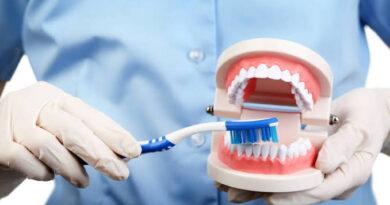
- Brushing twice daily with a soft-bristled brush: Hard bristles wear down enamel along the gumline, exposing sensitive cementum and roots.
- Cleaning interdental spaces daily: Floss or interdental brushes clear plaque from contact points that standard bristles cannot reach, cutting down on interproximal cavities.
- Using fluoridated or remineralizing pastes: Fluoride incorporates into the hydroxyapatite crystal lattice, making enamel more resistant to acid erosion.
- Limiting acidic beverage exposure: Sipping carbonated beverages or fruit juices over several hours bathes enamel in acid, accelerating erosion regardless of brushing habits.
Routine checkups allow dental teams to monitor small hairline cracks, assess gum pocket depths, and catch localized decay before it causes pain.
Balancing structural repairs with sensible cosmetic treatments keeps your smile functional and comfortable throughout life. How long has it been since your household last reviewed its daily oral care routine?