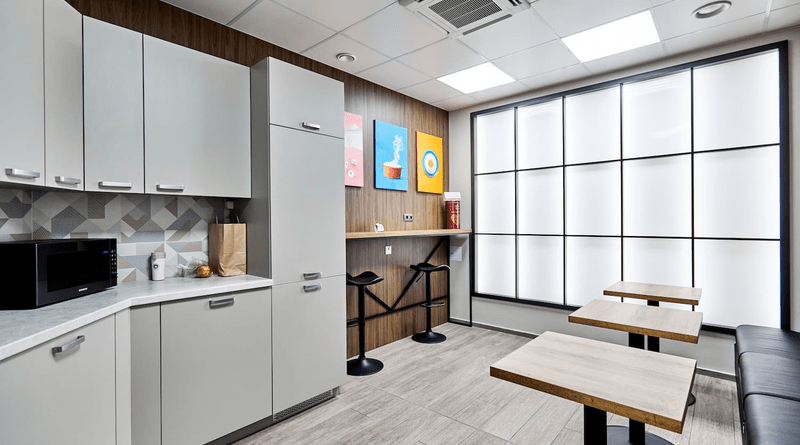
Office Kitchen Supplies Every Workplace Needs But Often Forgets
Every workplace needs the basics covered first: coffee, tea, filtered water, plates, cups, cutlery, hand soap, and paper towels. Beyond that, most offices forget the smaller items — condiments, snack storage, dish soap refills, and labeled containers for shared food. A complete office kitchen supplies list should also include allergy-friendly options, clearly marked recycling bins, and a few backup items for busy weeks. Skipping these smaller details is usually why a breakroom feels unfinished even after the big appliances are in place.
A stocked kitchen is one of those office details nobody comments on until it’s missing. The coffee runs out on a Tuesday morning, someone can’t find a clean mug, and suddenly half the team is annoyed before 10 a.m. Office managers tend to focus on the visible stuff – a new fridge, a fancy espresso machine – while the smaller, cheaper items quietly run out.
Why Office Kitchen Supplies Matter More Than People Think
A breakroom is easy to underestimate. It looks like a side room with a microwave and a coffee maker, not a place tied to how people feel about their job. Recent workplace data suggests otherwise. Commonwealth Joe’s 2025 review of breakroom trends found that one in three employees says the break room is one of the biggest contributors to their overall workplace happiness, and 60% say the food options available directly influence how often they take breaks at all.
That connection matters right now. Gallup’s 2024 report on global workplace engagement found that only 21% of employees worldwide are actively engaged at work, one of the sharpest declines recorded since the pandemic. Small daily details, like whether the kitchen has what people need, add up over months. A team that struggles for a clean spoon or a decent snack every day picks up on that neglect, even if nobody says it out loud. None of this means every office needs a barista bar. It means the basics deserve more attention than they usually get.
The Small Items Most Teams Overlook
Most offices get the obvious items right away – a coffee maker, a fridge, maybe a microwave. What gets forgotten is everything that keeps those appliances actually usable day to day. A working supply list isn’t about buying more; it’s about buying the right smaller things consistently.
Everyday Basics That Keep the Kitchen Running
Here’s a simple starting list for kitchen supplies for office spaces of almost any size:
- Coffee, tea, and creamer – including a couple of decaf and non-dairy options so nobody is left out.
- Disposable and reusable cups, plates, and cutlery – enough to cover a busy lunch rush without running out by 1 p.m.
- Hand soap and dish soap – cheap, easy to forget, and the first thing people notice when it’s gone.
- Paper towels and napkins – stocked in more than one spot if the kitchen is large.
- Trash bags and recycling liners – sized correctly for the bins already in the room.
- Basic condiments – salt, pepper, sugar, ketchup, and hot sauce packets or bottles for shared use.
These sound obvious written down, yet they’re the items that run out first because nobody owns the reorder. Assigning one person, even informally, to check this list monthly solves most of the problem.
Pro tip: Keep a standing order for coffee, condiments, and paper goods so restocking happens automatically instead of depending on someone noticing the shelf is empty.
Building a Full Office Breakroom Supplies List
Once the basics are covered, the next step is thinking about comfort and convenience – the layer that turns a functional kitchen into one people actually enjoy using. This is where a broader office breakroom supplies list comes in, covering items that support longer breaks and shared meals rather than just quick coffee runs. Stocking office kitchen supplies with condiments teams actually use keeps the breakroom running smoothly all week long.
Beyond the Basics: Comfort and Convenience Items
A more complete office breakroom supplies list usually includes:
- Condiments beyond the basics – mustard, mayo, soy sauce, and salad dressings for teams that eat lunch in-house.
- Snack storage bins – clear, labeled containers keep shared snacks organized and cut down on food waste.
- Reusable water bottles or a filtered water station – reduces plastic waste and keeps people hydrated without a store run.
- Sponges, dish brushes, and drying racks – small items, but the kitchen looks messy fast without them.
- First-aid basics – bandages and hand sanitizer, kept near the kitchen rather than buried in a supply closet.
- Labels and dry-erase markers – for marking shared food, expiration dates, or fridge cleanout reminders.
Teams that keep this list current tend to have fewer complaints about the kitchen overall, simply because nothing feels like it’s missing when someone needs it. This lines up with Commonwealth Joe’s 2025 findings, which linked variety in the break room directly to how often employees actually step away from their desks during the day.
Here’s a quick reference for how often different office sizes typically need to restock:
| Office Size | Suggested Restocking | Check First |
| Under 20 employees | Monthly | Coffee, creamer, dish soap |
| 20–75 employees | Biweekly | Cups, snacks, condiments |
| 75+ employees | Weekly | Coffee, paper goods, condiments, cleaning supplies |
Kitchen Supplies for Office Teams With Specific Needs
Not every office has the same lunch habits or dietary needs, and a generic supply list won’t necessarily fit every team. Offices with larger groups, several dietary restrictions, or a mix of remote and in-person staff usually need a slightly different approach to stocking the kitchen.
Supplies for Health-Conscious and Allergy-Aware Teams
A few additions make a noticeable difference for offices with mixed dietary needs:
- Allergen-labeled snack options – nut-free, gluten-free, and dairy-free choices kept in a clearly marked section.
- Low-sugar condiment alternatives – sugar-free syrups, sauces, and dressings for employees managing dietary restrictions.
- Separate cutting boards or utensils – useful for teams sharing a kitchen with employees who avoid cross-contamination.
- Compostable or biodegradable disposables – a growing preference among younger employees, in line with the sustainability shift Gallup’s 2024 workplace data linked to how engaged staff feels about their employer’s values.
Offices that skip this step usually hear about it eventually, often from a new hire who quietly stops using the kitchen altogether. A small adjustment here tends to go a long way for morale.
Building Your Own Office Kitchen Supplies List
Putting together a working supply list doesn’t need to be complicated. A short monthly check works better than an occasional big shopping trip, since it catches shortages before anyone notices them. Grouping supplies into categories – drinks, condiments, cleaning, and disposables – makes restocking faster and easier to hand off if the task changes owners.
For the food and condiment side specifically, keeping a standing order for staples like ketchup, mustard, hot sauce, sugar packets, and creamer removes one recurring task from an office manager’s plate. It also keeps the kitchen consistent, so employees stop noticing the supplies at all – which, oddly enough, is the goal. A kitchen only gets attention when something is missing.
Frequently Asked Questions
What should every office kitchen have as a bare minimum?
At minimum, an office kitchen needs coffee or tea, cups, plates, cutlery, hand soap, dish soap, paper towels, and trash bags. These cover daily use without requiring much planning, and they’re the items that cause the most complaints when they run out.
What condiments should an office kitchen stock?
Salt, pepper, sugar, ketchup, mustard, mayo, and hot sauce cover most needs. Offices with a lunch culture often add soy sauce and salad dressings, while teams with dietary restrictions benefit from sugar-free or allergen-free alternatives as well.
How often should office kitchen supplies be restocked?
A monthly check works for most offices, though high-traffic kitchens with 50 or more employees often need a biweekly restock, especially for coffee, cups, and cleaning supplies.
Who is usually responsible for buying office breakroom supplies?
This typically falls to an office manager, facilities coordinator, or, in smaller companies, whoever volunteers or gets assigned the task. Larger offices sometimes split it between a facilities team and an outside supply vendor.
Is it worth investing in higher-quality kitchen supplies for office use?
Yes, in most cases. Slightly better coffee, sturdier disposables, and a wider condiment selection cost little more than basic options but tend to reduce complaints and support better employee morale over time, based on current workplace research.