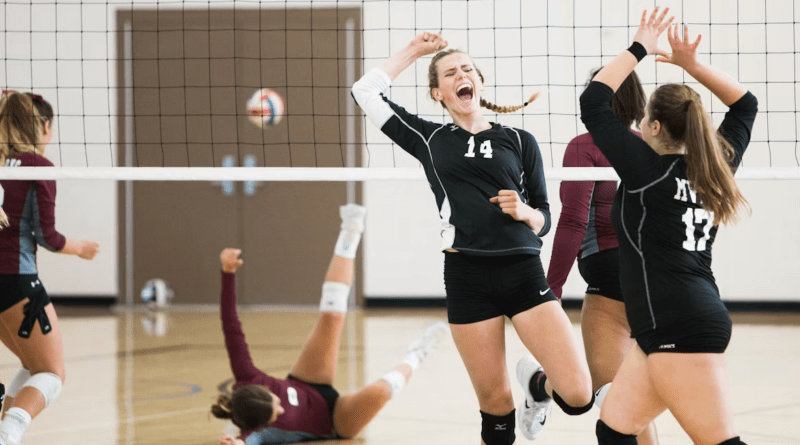
How to Create a United and Motivated Sports Team
Building a strong sports team requires more than just gathering talented athletes on 1 field. True success comes when players trust each other and work toward a single shared goal.
Coaches who spend time developing strong bonds notice better performance during tough games. Simple daily habits can transform individual players into a single cohesive unit.
Establish Shared Values Early
Every successful squad starts with clear expectations set at the beginning of the season. Players need to agree on standards for practice attendance, effort, and sportsmanship. These guidelines keep everyone accountable when challenges arise.
Team gear creates a visible sign of belonging that brings athletes closer together. Ordering matching Custom Football Compression Uniforms helps players look unified and feel ready for game day. Wearing identical gear builds pride before players even step onto the field. That shared identity forms the foundation for deep team trust.
Leaders must reinforce these core values during every practice session. Small daily reminders keep the group focused on shared targets rather than individual statistics. Consistent application creates standard behavior across the entire roster.
Strengthen Social Support Systems
Athletes perform best when they know their teammates have their back through ups and downs. Creating opportunities for open communication helps athletes express concerns without fear of criticism. Strong social connections protect players from feeling isolated during tough stretches.
A research paper published in PMC showed that team cohesion directly boosts mental toughness in athletes through built-up social support and self-identity. Athletes who feel supported by peers gain higher confidence during intense competitions. That mental strength carries over into critical moments in late-game situations.
Coaches can organize casual team meals or group outings away from the training facility. These non-sport activities build friendships that improve communication on the field. Better communication leads to fewer errors during fast-paced play.
Focus on Physical and Psychological Health
A healthy team stays motivated longer throughout a demanding sports season. Prioritizing rest, proper nutrition, and recovery prevents burnout among active players. Healthy bodies support sharp minds when pressure builds during key matches.
Scientific findings published in a PMC study revealed that team cohesion significantly affects the physical and psychological well-being of athletes. Players in unified groups report lower stress levels and recover faster after demanding workouts. Shared commitment creates a positive feedback loop that protects athlete health.
Coaches ought to monitor fatigue levels and adjust practice intensity when needed. Providing adequate rest days keeps energy high for important upcoming contests. Athletes remain dedicated when they see leadership cares about their personal wellness.
Promote Supportive Leadership Behaviors
The way coaches interact with players dictates the entire squad atmosphere. Encouraging feedback builds trust and encourages athletes to take calculated risks on the field. Positive coaching methods create an environment where learning comes naturally.
Constructive dialogue helps players correct technical mistakes without losing confidence. Setting up short weekly one-on-one check-ins lets coaches offer personal guidance. Athletes appreciate individual attention and work harder to meet expectations.
Praising small improvements keeps motivation steady across the full roster. Group recognition during team meetings highlights hard work that might go unnoticed. Everyone feels valued when their contributions receive praise.
Define Individual Roles Clearly
Uncertainty about playing time or duties causes frustration within a sports group. Clear communication regarding every player’s specific role prevents misunderstandings. Athletes stay engaged when they understand exactly how they contribute to success.
Coaches can outline key expectations for different roster spots during pre-season meetings:
- Starter duties focus on setting the game rhythm early.
- Reserve players maintain energy and execute specific tactical adjustments.
- Team captains guide communication and support teammates during adversity.
Revaluating these duties periodically gives backup players clear goals to work toward. Giving each team member a meaningful task builds personal accountability. When every athlete values their role, team harmony thrives.
Build Intrinsic Drive and Motivation
Relying solely on trophies or medals creates short-term motivation that fades quickly. True drive comes from internal satisfaction, personal growth, and love for the sport. Athletes who enjoy the process train harder and remain resilient.
Coaches should help athletes set personal targets beyond scoreboard results. Tracking metrics like sprint speeds or passing accuracy keeps players focused on self-improvement. Seeing measurable progress fuels enthusiasm week after week.
Creating fun, competitive drills during practice keeps training sessions fresh. Friendly internal competitions test skills without the pressure of official game standings. Athletes stay excited to attend daily sessions.
Celebrate Small Wins Together
Focusing only on end-of-season championships can make long schedules feel exhausting. Marking minor milestones keeps morale high throughout the entire competitive calendar. Celebrating small victories creates momentum that carries into bigger contests.
Recognizing defensive stops, clean execution, or exemplary effort builds positive reinforcement. Teammates learn to cheer for each other’s success rather than competing internally. That culture turns individual achievements into shared pride.
Simple post-game traditions create lasting memories for young competitors. Gathering after a hard victory reinforces the bond forged during grueling practices. Shared joy strengthens squad unity for future challenges.
Building a cohesive athletic group demands time, clear values, and active support from coaches. Athletes thrive when they feel connected to peers and understand their value to the squad.
Strong culture translates directly into resilience during high-stakes games. Focus on trust and clear communication to guide your squad toward lasting success.