Why Wellness and Aesthetic Care Have Become Essential Parts of Modern Luxury Living
Luxury has traditionally been associated with things that are easy to see. Designer clothing, large homes, premium cars, private travel, fine dining, and exclusive experiences have long represented a certain standard of living. But the meaning of luxury is changing.
For today’s luxury consumer, having more is not always the main objective. Time, privacy, comfort, health, confidence, and the ability to feel good in everyday life can be just as valuable as material possessions. This shift has brought wellness and personal care much closer to the center of modern luxury living.
A high-end lifestyle is increasingly about creating an environment that supports the whole person. That can mean designing a home around relaxation, choosing travel experiences that prioritize wellbeing, investing in fitness and recovery, or seeking personalized aesthetic care that helps someone feel confident in their appearance.
The result is a more personal definition of luxury. It is less about displaying wealth and more about improving the quality of everyday life.
The Meaning of Luxury Is Changing
The modern luxury market has moved beyond simple displays of status. Consumers are increasingly interested in experiences that feel personal, thoughtful, and meaningful.
This change can be seen across real estate, hospitality, travel, fashion, and wellness. Luxury homes now often include dedicated fitness areas, private spas, meditation spaces, saunas, pools, and outdoor environments designed for relaxation. High-end hotels offer wellness programs alongside traditional concierge services. Even travel itineraries are increasingly built around restoration and personal wellbeing.
PARK Magazine NY has reflected this broader shift in its recent coverage, including articles exploring wellness as a new form of luxury and the growing role of intentional downtime, wellness technology, and refined self-care.
This does not mean traditional luxury is disappearing. Instead, the definition is becoming broader. Beautiful surroundings still matter, but so does how those surroundings make people feel.
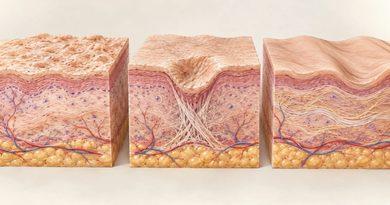
Southwest Florida Med Spa offers medical-grade skincare positioned around individual concerns such as fine lines, uneven tone, dryness, acne, and texture. Its current information emphasizes personalized regimens based on skin type, concerns, and lifestyle.
Time and Convenience Have Become Luxury Experiences
For people with demanding careers, businesses, families, and busy social lives, time can be one of the most valuable resources they have.
A luxury experience increasingly means removing unnecessary friction from daily life. Private appointments, personalized services, convenient locations, flexible scheduling, and professional guidance all save time while making an experience feel more considered.
Wellness fits naturally into this idea.
Someone may have access to a premium gym, but the real value can come from having expert guidance, privacy, convenient access, and a routine that fits into an already demanding schedule. The same principle applies to skincare and aesthetic care.
Instead of spending hours trying to understand every new product or treatment, consumers may prefer professional advice that helps them identify what actually suits their needs.
Modern luxury is therefore becoming closely connected to efficiency without sacrificing quality.
Wellness Is Becoming Part of the Home
The home has increasingly become more than a place to sleep and entertain.
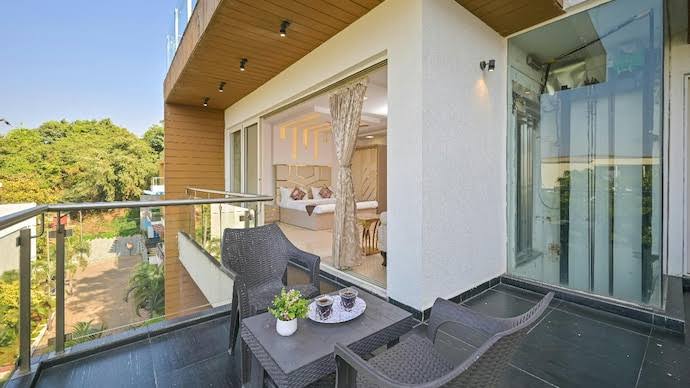
Luxury homeowners are creating spaces that support relaxation, fitness, recovery, and mental wellbeing. A quiet room can become a place for meditation or reading. A well-equipped home gym can make regular exercise more convenient. A sauna or spa-inspired bathroom can create a private space for relaxation.
Design plays an important role in this transformation.
Natural materials, comfortable lighting, outdoor connections, acoustic privacy, and uncluttered interiors can all contribute to a calmer environment. PARK Magazine NY has similarly explored how wellness amenities such as yoga studios, meditation spaces, thermal experiences, and fitness facilities are becoming part of contemporary luxury residential design.
The modern luxury home is increasingly designed around the experience of the people living in it.
Personalization Has Become a Defining Feature
One-size-fits-all experiences are becoming less appealing to luxury consumers.
People are accustomed to personalized travel recommendations, customized technology, tailored fashion, and individual dining experiences. It makes sense that the same expectation has entered wellness and aesthetic care.
Personalization can be particularly valuable when dealing with appearance because every person’s skin, facial structure, lifestyle, preferences, and goals are different.
Southwest Florida Med Spa describes its approach as personalized and clinician-led, with treatments tailored to individual features, goals, and lifestyle. Its services address concerns including fine lines, loss of volume, uneven contours, skin texture, tone, and sagging or drooping features.
The broader lesson is that modern aesthetic care does not necessarily need to be about dramatic transformation. For many people, the appeal is a more subtle approach that works with their existing features.
Aesthetic Care Is Becoming Part of Personal Maintenance
There was once a tendency to separate beauty treatments from broader wellness. Skincare and aesthetic services were often viewed as occasional indulgences rather than part of a long-term personal routine.
That distinction is becoming less clear.
People now routinely invest in skincare, fitness, nutrition, dental care, hair care, and other services that help them maintain their appearance and wellbeing. Aesthetic care can fit into the same broader philosophy when it is approached thoughtfully.
The emphasis is increasingly on maintenance rather than transformation.
Someone may want to improve skin texture, address visible signs of aging, restore facial volume, or refine a particular feature without wanting to look dramatically different. Southwest Florida Med Spa specifically emphasizes natural-looking results and treatments designed to enhance rather than replace an individual’s features.
This approach aligns naturally with the modern luxury preference for subtlety.
Skincare Has Become More Sophisticated
Luxury skincare is no longer simply about having expensive packaging on a bathroom shelf.
Consumers are becoming more interested in ingredients, formulation, skin health, personalization, and professional guidance. Medical-grade skincare has also become more visible within the broader beauty and wellness market.
This reflects a larger change in consumer behavior. People increasingly want to understand why they are using a product instead of simply purchasing something because it is fashionable.
The luxury element comes from expertise and personalization as much as from the product itself.
The Rise of Non-Surgical Aesthetic Treatments
Another important development in modern aesthetic care is the growing interest in non-surgical options.
Many people have demanding schedules and do not want lengthy interruptions to work, travel, or social commitments. Non-surgical treatments can appeal to consumers looking for options that fit more easily into their routines.
The range of services has also expanded. Depending on the provider and individual needs, aesthetic practices may offer treatments focused on skin quality, facial contours, body appearance, hair restoration, and other concerns.
Southwest Florida Med Spa describes its non-surgical aesthetic services as in-office treatments designed around individual goals, with an emphasis on personalized planning, safety, comfort, and maintaining natural-looking results.
Of course, a treatment being non-surgical does not mean it is automatically appropriate for everyone. Professional assessment remains important, and consumers should understand potential benefits, limitations, risks, costs, and recovery requirements before choosing any procedure.
Wellness and Confidence Are Closely Connected
Luxury wellness is not only about physical health. Confidence is another important part of the conversation.
Feeling comfortable in your appearance can influence how you present yourself at work, social events, travel experiences, and everyday interactions. That does not mean appearance determines self-worth, but it can contribute to how someone feels about themselves.
This is one reason aesthetic care and wellness increasingly overlap.
A person may exercise because they enjoy feeling stronger. They may follow a skincare routine because they enjoy taking time for themselves. They may choose an aesthetic treatment because they want to address a particular concern that has been bothering them.
The common factor is personal choice.
Modern luxury is increasingly about having access to options and being able to choose what genuinely contributes to your own sense of wellbeing.
Recovery Is Becoming Part of the Luxury Lifestyle
The wellness movement has also changed how people think about recovery.
In a culture that often celebrates productivity, rest can sometimes be treated as something that happens only when there is nothing else to do. Luxury wellness takes a different approach by making recovery intentional.
Quiet environments, massage, thermal experiences, stretching, meditation, comfortable sleep environments, and time away from digital devices can all become part of a recovery-focused lifestyle.
This is particularly relevant for people who travel frequently or maintain demanding professional schedules. The ability to recover well can influence how much enjoyment they get from the rest of their lives.
Luxury, in this context, is not simply having somewhere beautiful to relax. It is having the time, privacy, and resources to make recovery part of a routine.
Wellness Travel Is Redefining High-End Experiences
The changing definition of luxury is also visible in travel.
High-end travelers still care about beautiful hotels, exceptional food, private transportation, and unique destinations. But many also want their trips to leave them feeling better rather than simply entertained.
Luxury resorts increasingly incorporate fitness, spa services, healthy dining, outdoor activities, sleep-focused environments, and other wellness experiences.
This creates a different kind of travel experience. Instead of returning home exhausted after trying to fit everything into a short vacation, travelers can intentionally include time for recovery.
Wellness therefore becomes part of the overall travel experience rather than an optional extra.
Technology Is Adding Another Layer of Personalization
Technology has made wellness more measurable and convenient.
Wearable devices can monitor activity and sleep. Smart-home systems can adjust lighting and temperature. Digital fitness platforms can create customized routines. Skincare technology and advanced aesthetic equipment have also expanded the options available to consumers.
But technology alone does not create a luxury wellness experience.
The human element still matters. Data needs context. Treatments need appropriate professional guidance. A device can measure something, but it cannot necessarily explain what that measurement means for an individual.
The most useful combination is often technology supported by expertise.
Quiet Luxury and Wellness Have Similar Values
The modern movement toward quiet luxury has an interesting connection with wellness.
Both trends move away from obvious excess and toward quality, intention, personalization, and lasting value.
A quiet luxury home may prioritize craftsmanship, natural materials, privacy, and comfort over excessive decoration. A wellness routine may prioritize consistent sleep, movement, skincare, and recovery over constantly trying new trends.
The same philosophy applies to aesthetic care.
Subtle improvements that preserve individuality can feel more aligned with modern luxury than dramatic changes designed to attract attention.
The emphasis is on refinement rather than reinvention.
What Modern Luxury Living May Look Like Next
As wellness continues to influence luxury culture, the boundary between lifestyle, beauty, health, and personal care may become even less distinct.
Luxury residences may place greater emphasis on recovery and health-focused design. Hotels may offer increasingly personalized wellness programs. Technology may make personal routines more responsive. Aesthetic providers may continue developing treatments designed around individual preferences and natural-looking outcomes.
Consumers are also likely to become more selective.
Instead of choosing services simply because they are expensive or fashionable, people may ask whether an experience actually improves their quality of life.
That is perhaps the most important change of all.
Conclusion
Wellness and aesthetic care have become important parts of modern luxury living because the definition of luxury itself is changing.
Material possessions still have their place, but today’s luxury consumer is increasingly interested in time, privacy, personalization, comfort, confidence, and meaningful experiences. Wellness supports these priorities by helping people create better routines and environments, while personalized aesthetic care can provide another way to feel comfortable and confident in one’s appearance.
The modern luxury lifestyle is therefore less about having everything and more about choosing what genuinely adds value.
Whether that means a beautifully designed wellness space at home, a personalized skincare routine, a restorative travel experience, or professionally guided aesthetic care, the underlying idea remains the same: luxury is becoming increasingly connected to how well we live, not simply what we own.