Why Pest Control Is the Best Investment for Your Lawn This Season
Pests don’t announce themselves. One week, your lawn looks healthy, and the next, you’re staring at brown patches, chewed roots, and soil that crumbles where it should hold firm. By the time most homeowners notice the damage, the problem has already spread well beyond what’s visible on the surface.
That’s the uncomfortable truth about lawn pests—they work quietly, underground, and in the margins, long before you ever spot a single bug. Grubs tunnel through root systems. Chinch bugs drain moisture from grass blades. Armyworms march across turf in waves, leaving destruction in their path. And once they’ve established a foothold, they’re hard to remove without the right knowledge, tools, and timing.
The good news? Professional pest control doesn’t just fix the damage—it prevents it from happening in the first place.
What Makes Lawn Pests So Difficult to Manage on Your Own
Walk into any hardware store, and you’ll find shelves lined with sprays, granules, and traps. It’s tempting to grab one and hope for the best. But most over-the-counter products are broad-spectrum solutions applied without any real understanding of what’s actually living in your lawn—or how deep the infestation runs.
Misidentifying the pest is one of the most common (and costly) mistakes homeowners make. Treating for grubs when you actually have chinch bugs, for example, wastes time and money while the real culprits continue feeding. Worse, some DIY treatments disrupt the soil chemistry or harm beneficial insects that naturally keep pest populations in check.
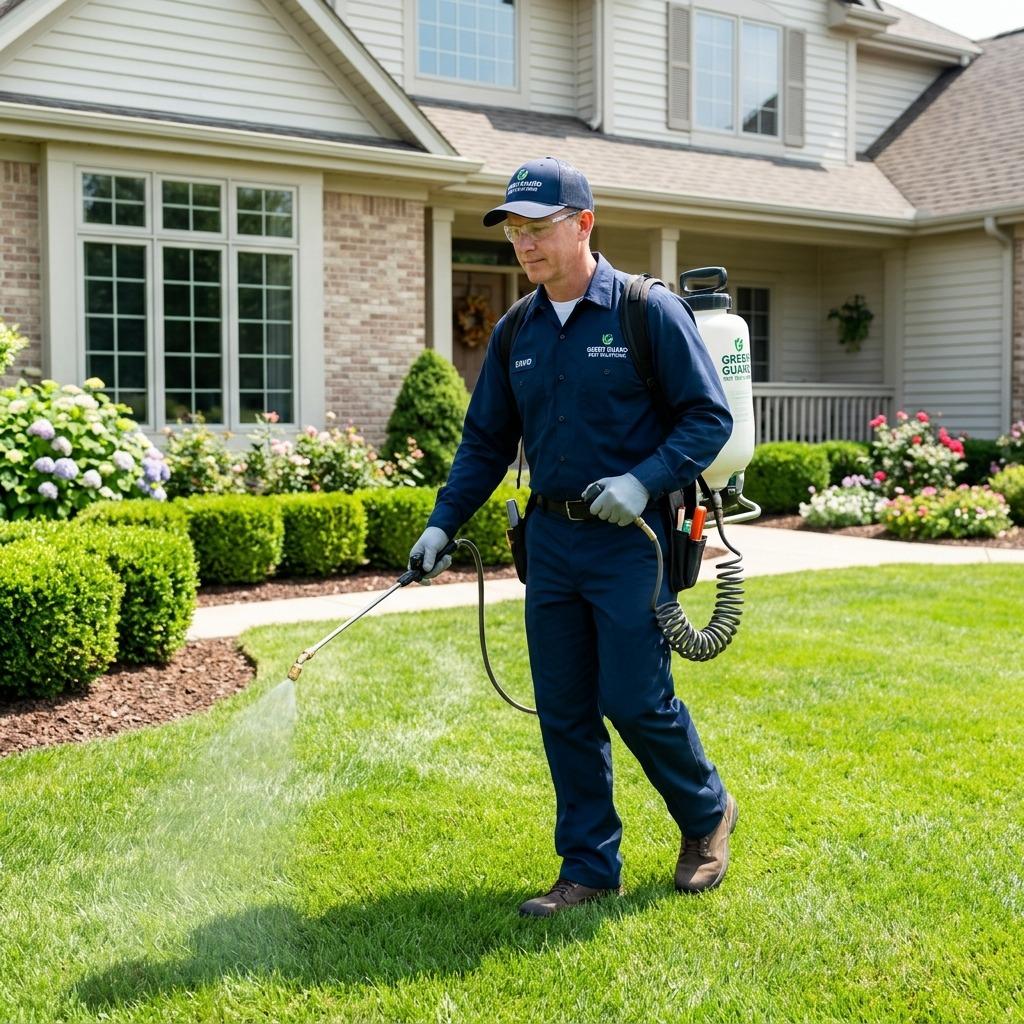
Professional pest control services approach the problem differently. They start with a proper inspection to identify the specific pest species, assess the severity of the infestation, and evaluate what conditions are allowing the problem to thrive. Then they apply targeted treatments—at the right time, in the right concentration—to eliminate pests without unnecessary damage to your soil, grass, or surrounding environment.
The Seasonal Window That Matters Most
Timing is everything with pest management. Many of the most destructive lawn pests—particularly grubs—are most vulnerable during a narrow window in late summer when they’re young and feeding close to the soil surface. Miss that window, and they’ll burrow deeper into the ground before treatments can reach them effectively.
Spring is also a critical period. As soil temperatures rise, overwintering pests become active, and new eggs begin hatching. Getting ahead of these cycles with preventive treatments dramatically reduces the likelihood of a full-scale infestation later in the season.
Pest Control services that are applied proactively—before visible damage occurs—offer homeowners the dual benefit of protecting their lawn’s root system and reducing the overall cost of treatment, since smaller infestations are far easier and less expensive to manage than widespread ones.
What Happens When Pests Go Untreated
A lawn left unprotected from pests doesn’t just look worse—it becomes structurally weaker. Root damage from grubs, for instance, causes grass to detach from the soil entirely. If you’ve ever noticed patches of turf that lift like a loose carpet, that’s typically the work of grubs feeding below the surface.
Weakened grass is also far more vulnerable to secondary problems: drought stress, fungal disease, and weed invasion. Pests essentially create an open door for every other lawn health issue you’re trying to avoid. One untreated problem cascades into three or four, and by the time summer ends, you’re looking at a full lawn renovation rather than a simple treatment.
Beyond the lawn itself, some pests—like fleas, ticks, and fire ants—pose risks to people and pets. These aren’t just nuisances; they’re genuine health concerns that deserve serious attention.
How Professional Pest Control Protects Your Investment
A healthy, thick lawn is one of the best defenses against both weeds and pests. Dense turf chokes out weed germination and leaves little room for insects to establish. Professional pest control supports that density by removing the threats that thin and weaken your grass over time.
Think of it this way: every dollar spent on preventive pest management protects the investment you’ve already made in seeding, fertilizing, and maintaining your lawn. It preserves the results you’ve worked hard to achieve—and ensures you’re not starting from scratch next season.
Professional services also bring something that no product off a shelf can offer: accountability. Licensed technicians monitor results, adjust treatments based on conditions, and return if problems persist. That ongoing relationship is what separates a truly protected lawn from one that’s just been sprayed and forgotten.
Signs Your Lawn May Already Have a Pest Problem
Not sure if pests are the source of your lawn troubles? Here are a few indicators worth paying attention to:
- Irregular brown patches that don’t respond to watering or fertilizer
- Spongy or soft turf that feels loose underfoot
- Increased bird activity, particularly crows or starlings, digging in the soil
- Thinning grass in areas that previously grew well
- Visible insects on grass blades, particularly in the early morning or evening
If any of these sound familiar, the smartest next step is a professional assessment. Trying to diagnose and treat a pest problem without expert input often delays resolution and allows the infestation to worsen.
Protecting Your Lawn Has Never Been More Straightforward
Great lawns don’t happen by accident—they’re maintained, protected, and cared for consistently. Pest control is one of the most impactful services you can add to your lawn care routine, not because damage has already occurred, but because prevention is always more effective than repair.
The lawns that stay thick, green, and resilient through every season are the ones with a plan behind them. Professional pest control ensures that the plan includes protection from the threats that most homeowners don’t see until it’s too late.
Don’t wait for the brown patches to appear. Reach out to a lawn care professional today and give your lawn the protection it deserves all season long.