When Bowel Habit Changes May Need a Colonoscopy
Bowel habits can vary from person to person. Some people pass motion daily, while others may do so less frequently. Occasional changes can happen due to diet, hydration, stress, travel, medication, infection or changes in routine.
However, bowel habit changes that persist, worsen or occur with other symptoms may need medical review. A doctor may discuss colonoscopy when symptoms suggest that the large intestine, also called the colon, needs closer assessment.
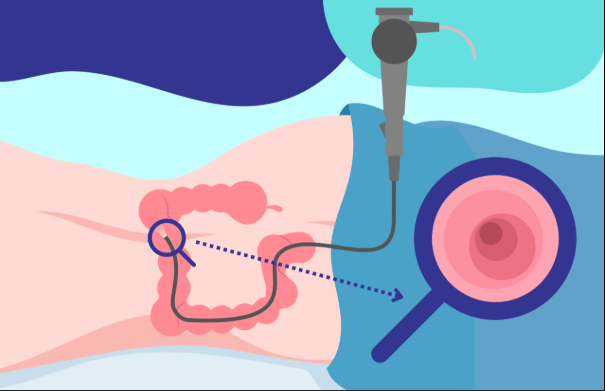
A colonoscopy allows the doctor to examine the inside of the large bowel using a thin, flexible tube with a camera. It may help assess causes of persistent diarrhoea, constipation, bleeding, abdominal pain, unexplained weight loss or other bowel-related symptoms.
What Counts as a Change in Bowel Habit?
A change in bowel habit refers to a noticeable difference from a person’s usual bowel pattern. This may involve frequency, stool form, urgency, ease of passing motion or the feeling of incomplete emptying.
Examples may include:
- Passing motion more often than usual
- Passing motion less often than usual
- Persistent diarrhoea
- Persistent constipation
- Alternating diarrhoea and constipation
- Narrower stools than usual
- A new sense of urgency
- Feeling unable to fully empty the bowel
- Mucus in stool
- Changes that continue for days or weeks
A single episode of loose stool or constipation may not require colonoscopy. The concern increases when the change is persistent, recurrent or associated with other warning symptoms.
Why Bowel Habit Changes Should Not Be Ignored
Bowel habit changes can happen for many reasons. Some causes are temporary, while others may need further investigation.
Possible causes may include:
- Dietary changes
- Low fibre intake
- Dehydration
- Stress
- Medication effects
- Food intolerance
- Gut infection
- Irritable bowel syndrome
- Inflammatory bowel disease
- Diverticular disease
- Polyps
- Bowel obstruction
- Colorectal cancer
Bowel symptoms alone do not confirm any specific condition. However, persistent changes may need assessment so that treatable causes can be identified and serious conditions can be considered where appropriate.
When a Colonoscopy May Be Discussed
A colonoscopy may be discussed when bowel habit changes are persistent, unexplained or associated with concerning symptoms. The decision depends on the patient’s age, symptoms, medical history, family history, examination findings and test results.
A doctor may discuss colonoscopy if there is:
- Persistent change in bowel habit
- Blood in stool
- Rectal bleeding
- Unexplained abdominal pain
- Persistent diarrhoea
- Ongoing constipation with new symptoms
- Unexplained weight loss
- Anaemia
- Mucus in stool
- A positive stool blood test
- Family history of colorectal cancer or polyps
- Concern about inflammatory bowel disease
- Previous polyps requiring surveillance
Colonoscopy may also be used for screening or follow-up, depending on individual risk factors and previous findings.
Bowel Changes With Blood in Stool
Blood in stool should be medically reviewed, especially if it is persistent, recurrent or occurs with bowel habit changes. Blood may appear bright red, dark red, mixed with stool or make the stool look black and tarry.
Possible causes may include haemorrhoids, anal fissures, inflammation, infection, polyps, diverticular disease or colorectal cancer. The appearance of blood does not always show where it is coming from.
A doctor may recommend colonoscopy to examine the colon and rectum, identify the source of bleeding and take tissue samples if needed.
Persistent Diarrhoea
Diarrhoea that lasts for a short period may be linked to infection, food-related triggers or medication. However, persistent or recurrent diarrhoea may need further review, especially when it affects daily life or is associated with other symptoms.
Colonoscopy may be discussed if diarrhoea occurs with:
- Blood or mucus in stool
- Weight loss
- Fever
- Night-time symptoms
- Abdominal pain
- Anaemia
- Symptoms lasting several weeks
- Family history of bowel disease
- Concern about inflammatory bowel disease
During colonoscopy, the doctor may examine the bowel lining and take biopsies even if the lining looks normal. Some conditions can only be confirmed through tissue testing.
Persistent Constipation or New Constipation
Constipation can occur due to low fibre intake, dehydration, reduced movement, medication, hormonal changes or other health conditions. However, new constipation that persists or occurs with other symptoms may need assessment.
Colonoscopy may be considered when constipation is linked with:
- Blood in stool
- Unexplained weight loss
- New abdominal pain
- A change in stool shape
- Anaemia
- Vomiting
- Increasing abdominal swelling
- Symptoms that do not respond to initial treatment
- Sudden change in bowel habit, especially in older adults
Not every case of constipation requires colonoscopy. The decision depends on the full symptom pattern and medical review.
Alternating Diarrhoea and Constipation
Some patients experience alternating diarrhoea and constipation. This pattern may occur in functional bowel conditions, but it can also be seen with other bowel problems.
Medical review may be needed if the pattern is new, persistent or associated with bleeding, weight loss, anaemia, night symptoms or abdominal pain.
A doctor may recommend blood tests, stool tests, imaging or colonoscopy depending on the symptoms and risk factors.
Abdominal Pain With Bowel Habit Changes
Abdominal pain that occurs with bowel changes may be due to several causes. The location, severity, duration and relationship with meals or bowel movements can help guide assessment.
Colonoscopy may be discussed if abdominal pain occurs with:
- Persistent diarrhoea
- New constipation
- Blood in stool
- Weight loss
- Fever
- Anaemia
- Symptoms waking the patient at night
- Family history of colorectal cancer or inflammatory bowel disease
- A lump or swelling in the abdomen
Pain that is severe, worsening or associated with vomiting, fever or inability to pass stool or gas should be assessed promptly.
What Colonoscopy Can Help Assess
Colonoscopy allows direct examination of the colon and rectum. It can help identify visible changes and allows biopsies to be taken when needed.
Colonoscopy may help assess:
- Polyps
- Colorectal cancer
- Inflammation
- Ulcers
- Bleeding sources
- Diverticular disease
- Narrowing or strictures
- Inflammatory bowel disease
- Certain causes of chronic diarrhoea
- Abnormal tissue changes
If polyps are found, they may sometimes be removed during the procedure. If tissue samples are taken, results may take time because they need laboratory testing.
Colonoscopy vs Other Tests
A doctor may not recommend colonoscopy immediately for every bowel habit change. Depending on symptoms, other tests may be used first or alongside colonoscopy.
These may include:
- Blood tests
- Stool tests
- Faecal occult blood or FIT testing
- Inflammatory marker tests
- Imaging scans
- Rectal examination
- Medication review
- Diet and symptom diary
Colonoscopy may be recommended when symptoms, risk factors or test results suggest that direct examination of the bowel is needed.
Preparing for a Colonoscopy
Preparation is an important part of colonoscopy. The bowel needs to be cleaned so the doctor can see the lining clearly.
Preparation may include:
- Following a low-fibre diet for a short period if advised
- Taking bowel preparation medicine
- Drinking clear fluids as instructed
- Avoiding certain foods before the procedure
- Adjusting medication where needed
- Discussing blood-thinning medication
- Informing the medical team about diabetes medication
- Arranging transport home if sedation is used
Patients should follow the specific instructions given by the clinic or hospital. Poor bowel preparation may make the procedure less clear and may require the test to be repeated.
What Happens During Colonoscopy?
Before the procedure, the medical team may confirm the patient’s medical history, allergies, medications and consent. Sedation or pain relief may be discussed depending on the setting and patient suitability.
During colonoscopy, the doctor passes a thin, flexible tube with a camera through the anus into the rectum and colon. Air or carbon dioxide may be used to gently expand the bowel so the lining can be seen.
If needed, the doctor may take biopsies or remove polyps. The procedure time can vary depending on findings, bowel preparation and whether any treatment is performed during the procedure.
Possible Risks and Side Effects
Colonoscopy is commonly performed, but it is still a medical procedure and carries some risks.
Possible side effects may include:
- Bloating
- Mild cramping
- Temporary discomfort
- Tiredness after sedation
- Small amount of bleeding if biopsy or polyp removal is performed
Less common risks may include:
- Bleeding
- Perforation of the bowel wall
- Reaction to sedation
- Infection
- Need for further treatment if a complication occurs
Patients should ask which risks are most relevant to their situation, especially if they take blood thinners, have existing medical conditions or may need polyp removal.
Recovery After Colonoscopy
After colonoscopy, patients may be monitored for a period, especially if sedation was used. Some may feel bloated or tired after the procedure.
Patients should follow advice on:
- When to eat and drink
- Whether driving should be avoided
- When to resume medication
- What symptoms to monitor
- When biopsy results will be available
- Whether follow-up is needed
- When to return to work or normal activities
If sedation is used, patients may need someone to accompany them home and should avoid driving until cleared according to the instructions provided.
When to Seek Medical Help After Colonoscopy
Patients should seek medical advice if they develop symptoms that are severe, persistent or worsening after the procedure.
Medical review may be needed if there is:
- Severe abdominal pain
- Persistent vomiting
- Fever
- Heavy rectal bleeding
- Black stools
- Dizziness or fainting
- Severe bloating that does not settle
- Chest pain or breathing difficulty
These symptoms are not expected after routine recovery and should be assessed promptly.
Understanding Colonoscopy Results
Some results may be discussed soon after the procedure. If biopsies are taken or polyps are removed, laboratory results may take longer.
Results may show:
- Normal findings
- Polyps
- Inflammation
- Diverticular changes
- Ulcers
- Bleeding source
- Narrowing
- Cancer or suspicious tissue changes
- Findings that require further testing
A normal colonoscopy does not mean the bowel symptoms are not real. It may mean that visible structural causes were not found. The doctor may then consider other causes, such as functional bowel disorders, dietary triggers, medication effects or conditions outside the colon.
Practical Questions to Ask Before Colonoscopy
Patients may find it helpful to ask questions before the procedure so they understand why colonoscopy is being recommended and what to expect.
Useful questions include:
- Why is colonoscopy recommended in my case?
- Are there other tests I need first?
- What conditions are being assessed?
- How should I prepare?
- Do I need to stop any medications?
- Will sedation be used?
- Can polyps be removed during the procedure?
- Will biopsies be taken?
- When will results be available?
- What symptoms should I monitor afterwards?
- Will I need follow-up?
Clear answers can help patients prepare and understand how colonoscopy fits into their overall care plan.
Bowel habit changes are common and may happen for many reasons. However, changes that persist, worsen, return repeatedly or occur with blood in stool, abdominal pain, unexplained weight loss, anaemia or other concerning symptoms should be reviewed.
Colonoscopy may be discussed when the doctor needs to examine the colon and rectum directly. It can help assess causes of persistent diarrhoea, constipation, bleeding, inflammation, polyps and other bowel changes. Biopsies or polyp removal may be performed during the procedure when needed.
Patients should follow bowel preparation instructions carefully, understand the possible risks and attend follow-up appointments to review results and next steps.
FAQs About Bowel Habit Changes and Colonoscopy
What bowel habit changes may need medical review?
Medical review may be needed for persistent diarrhoea, new or worsening constipation, alternating diarrhoea and constipation, blood in stool, mucus in stool, unexplained abdominal pain, weight loss or anaemia.
Does a change in bowel habit always mean I need a colonoscopy?
No. Not every bowel habit change requires colonoscopy. A doctor may first review symptoms, medical history and test results before deciding whether colonoscopy is needed.
Can colonoscopy detect the cause of diarrhoea?
Colonoscopy may help assess causes of persistent diarrhoea, especially when symptoms are linked with bleeding, mucus, weight loss, abdominal pain or suspected inflammation. Biopsies may be taken if needed.
Can colonoscopy detect polyps?
Yes. Colonoscopy can detect polyps in the colon or rectum. Some polyps may be removed during the procedure, depending on their size, type and location.
Do I need to fast before colonoscopy?
Patients usually need bowel preparation and changes to diet before colonoscopy. The exact instructions depend on the clinic or hospital and should be followed carefully.
What symptoms should I watch for after colonoscopy?
Patients should seek medical advice if they develop severe abdominal pain, heavy rectal bleeding, fever, persistent vomiting, dizziness, fainting or severe bloating after colonoscopy.
This article is for general information only and should not replace medical advice from a qualified healthcare professional.