What UK Authors Should Know Before Publishing Their First Book
Writing a book is a journey filled with excitement, creativity, and plenty of questions. Many first-time authors spend months sometimes years developing their manuscript, but reaching the final page is only the beginning. The next challenge is understanding what happens after writing the book and how to successfully bring it to readers.
Choosing the right publishing path, understanding editing, book design, distribution, and marketing can make a significant difference to an author’s experience. This is where professional guidance from experienced book publishers can help new writers understand the process and avoid common mistakes.
Whether you are writing fiction, a memoir, a children’s book, or a non-fiction guide, knowing what to expect before publishing your first book will help you make confident decisions and prepare for the road ahead.
Understand Your Publishing Options
One of the first decisions every author needs to make is choosing between traditional publishing and self-publishing.
Traditional publishing usually involves submitting a manuscript to a publishing house or literary agent. If accepted, the publisher typically manages editing, design, printing, and distribution. However, competition can be high, and many new authors find the process difficult without industry connections.
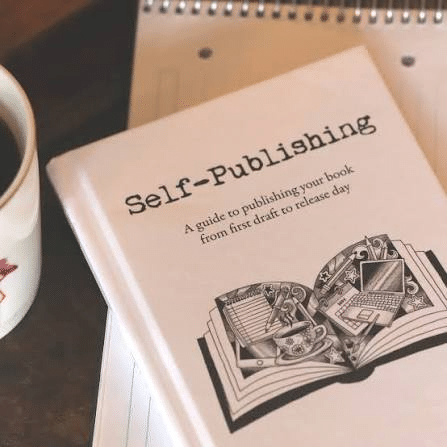
Self-publishing gives authors more control over their work. They can decide the timeline, maintain creative ownership, and choose the services they need. However, self-publishing also requires authors to understand areas such as formatting, cover design, marketing, and distribution.
Before making a decision, consider:
- How much creative control do you want?
- What level of professional support do you need?
- Do you have time to manage publishing tasks yourself?
- What are your long-term goals as an author?
Understanding these differences early can save time and prevent frustration later.
Professional Editing Is More Important Than You Think
Many first-time authors underestimate the value of professional editing. A strong story can lose its impact if there are grammar issues, unclear sections, inconsistent characters, or problems with structure.
Editing is not about changing an author’s voice. A good editor helps strengthen the manuscript while keeping the writer’s original ideas and style intact.
Professional editing may include:
- Developmental editing to improve structure and storytelling
- Copy editing to improve language and consistency
- Proofreading to identify final errors before publication
Even experienced writers rely on editors because a fresh perspective can reveal issues the author may no longer notice.
Research the Right Publishing Partner
Finding a suitable publishing partner is one of the biggest steps for a new author. Not every company offers the same level of support, services, or publishing opportunities.
Authors researching book publishers in england should look beyond promises and focus on the complete publishing process. A reliable publishing partner should clearly explain what is included, how distribution works, and what support is available after publication.
When comparing different companies, consider factors such as:
- Editing and proofreading services
- Book formatting and cover design quality
- Distribution options
- Author support and communication
- Marketing assistance
For example, London Book Publisher provides publishing services designed around helping authors prepare and distribute their books professionally. Other established names among the top book publishers in UK may focus more heavily on traditional publishing models, while independent publishing companies often provide flexible solutions for authors who want more involvement in the process.
The right choice depends on your goals, budget, and the type of publishing experience you want.
A Great Cover and Professional Design Matter
Readers often make their first decision based on appearance. A professionally designed cover can help a book stand out, especially in competitive online marketplaces and bookstores.
Book design involves more than just creating an attractive front cover. Interior formatting, typography, chapter layouts, and print quality all contribute to the reader’s experience.
A professional publishing team can help ensure that your book looks polished and meets industry standards across different formats, including:
- Paperback editions
- Hardcover editions
- eBooks
- Print-on-demand copies
A well-presented book creates confidence and shows readers that the author has invested in quality.
Publishing Is Not the End — Marketing Matters
A common misunderstanding among new authors is believing that publishing a book automatically leads to sales. In reality, even excellent books need visibility.
Marketing helps readers discover your work and understand why they should choose your book.
Some effective marketing strategies include:
- Building an author website
- Creating social media content
- Connecting with readers through newsletters
- Encouraging book reviews
- Working with relevant communities and influencers
The most successful authors often begin building their audience before their book launches. Sharing your writing journey, discussing your themes, and connecting with potential readers can create interest before publication.
Prepare for the Financial Side of Publishing
Publishing a book is an investment. While costs vary depending on the publishing route, authors should understand where money is being spent.
Common publishing expenses may include:
- Editing services
- Cover design
- Formatting
- Printing
- Distribution
- Marketing
A clear budget helps authors make better decisions and choose services that provide genuine value.
It is also important to avoid choosing a publisher based only on the lowest price. Quality, communication, and long-term support often have a greater impact on the final result.
Build Your Identity as an Author
Your first book can become the foundation of your author career. Many writers focus only on completing their manuscript but overlook the importance of developing an author identity.
Consider:
- What topics or themes represent your writing?
- Who are your ideal readers?
- How do you want readers to remember your work?
Building an author brand does not mean becoming a full-time marketer. It simply means creating a clear connection between you, your book, and your audience.
Final Thoughts
Publishing your first book is an exciting achievement, but preparation is the key to making the experience successful. From choosing the right publishing route to investing in editing, design, and marketing, every decision plays a role in your book’s journey.
Working with experienced book publishers can help authors understand the industry, avoid common mistakes, and bring their stories to readers with confidence. The publishing process may seem complex at first, but with the right knowledge and support, your first book can become the beginning of a rewarding author journey.