What to Know Before Getting Botox for Expression Lines
Expression lines are a natural part of how the face moves. They form when repeated muscle contractions create creases in areas such as the forehead, between the eyebrows, and around the eyes. Over time, these lines may become more noticeable even when the face is relaxed. Many people consider a Botox treatment because they want to soften these lines while still looking like themselves. Before scheduling an appointment, it helps to understand how Botox works, what it can and cannot do, and how to prepare for the best possible experience.
How Expression Lines Develop
Expression lines are caused by repeated facial movements. Smiling, frowning, squinting, raising the eyebrows, and concentrating all involve small muscle contractions beneath the skin. When the skin is young and elastic, it usually bounces back after each movement. As collagen and elastin gradually decrease, the skin becomes less able to recover from repeated folding. This is when temporary expression lines can become more permanent-looking creases.
Common expression lines include:
- Forehead lines from raising the eyebrows
- Frown lines between the brows
- Crow’s feet around the outer corners of the eyes
- Bunny lines on the nose
- Lip lines around the mouth
- Chin dimpling caused by muscle tension
What Botox Does
Botox is an injectable neuromodulator that temporarily relaxes targeted facial muscles. When these muscles move less forcefully, the skin above them has a chance to look smoother. This can help soften existing expression lines and may reduce the deepening of those lines over time. Botox does not remove loose skin, replace lost volume, or improve every type of wrinkle. It is best suited for dynamic wrinkles, which are lines created by repeated movement.
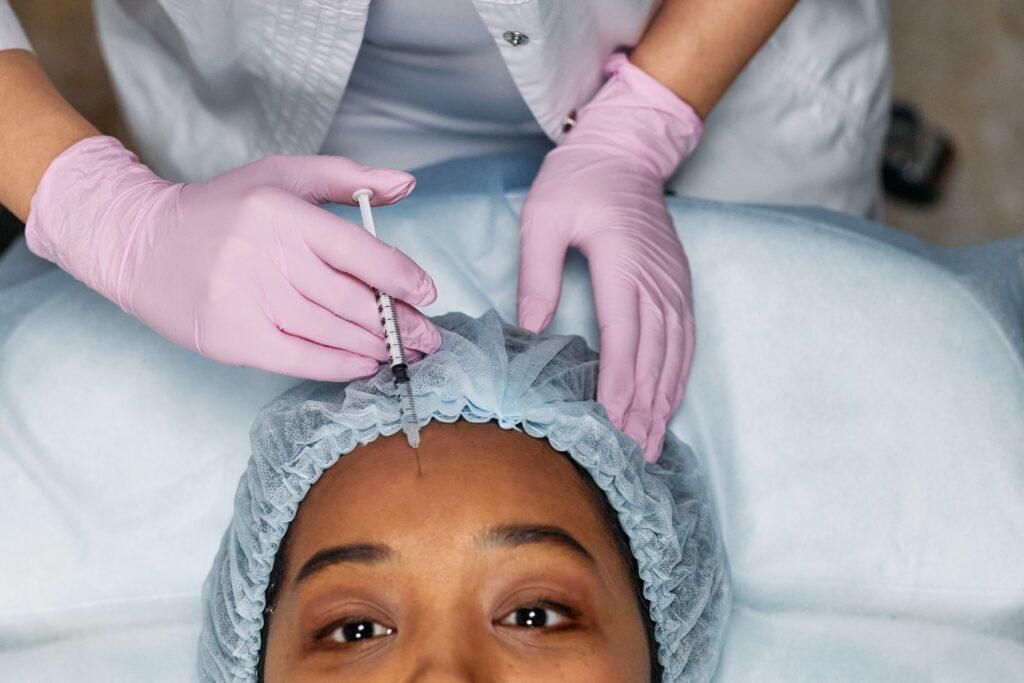
A Botox treatment is usually quick and minimally invasive. The provider uses a small needle to place precise amounts of product into selected muscles. The goal is not to freeze the entire face, but to reduce excessive movement in areas that create unwanted creases. Proper placement and dosing are important because facial muscles work together. A skilled provider considers your natural expressions, facial balance, and personal goals before injecting.
What Botox Can and Cannot Treat
Botox can be very effective for expression lines, but it is not the right solution for every concern. It works best on wrinkles caused by movement, especially in the upper face. It may improve forehead lines, glabellar lines, and crow’s feet when these concerns are related to muscle activity. It can also be used in select lower-face areas, depending on anatomy and treatment goals. However, results depend on the depth of the lines, skin quality, and how long the wrinkles have been present.
Botox does not directly treat texture, pigmentation, sagging, or volume loss. If wrinkles are caused by sun damage, dehydration, skin thinning, or facial volume changes, another treatment may be needed. Dermal fillers, lasers, microneedling, chemical peels, or medical-grade skincare may be recommended alongside or instead of Botox. A consultation helps determine whether Botox alone is enough. In many cases, the most natural result comes from combining treatments strategically.
Choosing the Right Provider
The provider you choose has a major impact on your Botox experience and results. Botox may seem simple, but it requires a detailed understanding of facial anatomy, muscle movement, symmetry, and dosing. An experienced injector knows how to soften lines without creating a heavy, stiff, or unnatural look. They should also be able to explain where they plan to inject and why. A thoughtful provider will focus on your goals rather than using the same approach for every patient.
Before booking, look for qualifications, experience, patient reviews, and before-and-after examples. Ask whether the provider regularly performs Botox injections and how they handle follow-up care. Patients researching Botox Injections in Walnut Creek, CA can also compare how providers explain consultation, treatment planning, and follow-up expectations. You should feel comfortable discussing your concerns, expectations, and any hesitation you may have. A good consultation should feel informative rather than rushed. If a provider promises permanent results or dismisses your questions, it may be best to keep looking.
Location can be another practical consideration when comparing injectors, especially when follow-up appointments may be part of the treatment plan. Someone researching Botox in West Palm Beach can review a provider’s credentials, treatment approach, consultation process, and information about the products offered before deciding whether to book. Comparing those details can help patients prepare informed questions for their consultation.
What to Discuss During Your Consultation
Your consultation is the time to talk honestly about what you want to change. Bring up the specific lines or expressions that bother you most. It is also helpful to explain whether you want a subtle refresh, a smoother look, or stronger movement reduction. The provider may ask you to smile, frown, squint, and raise your eyebrows so they can see how your muscles move. This movement assessment helps guide placement and dosage.
You should also share important health information. Tell your provider about medications, supplements, allergies, pregnancy, breastfeeding, previous cosmetic treatments, and any neuromuscular conditions. Mention if you have had Botox before and whether you liked the result. If you experienced heaviness, asymmetry, or results that wore off quickly, that information can help refine the plan. Clear communication makes it easier to create a safe and personalized treatment.
How to Prepare Before Treatment
Preparation for Botox is usually simple, but following instructions can reduce the chance of bruising or irritation. Your provider may recommend avoiding alcohol, certain supplements, or blood-thinning medications before your appointment, if medically appropriate. You should never stop prescribed medication without approval from your healthcare provider. Arriving with clean skin can also make the process easier. Try to schedule your appointment when you do not have an important event immediately afterward.
Helpful preparation tips may include:
- Avoid alcohol shortly before your appointment
- Ask about medications or supplements that may increase bruising
- Do not schedule treatment right before a major event
- Come prepared to discuss your goals and medical history
- Follow all instructions provided by your injector
What Happens During the Appointment
A Botox appointment is usually brief and straightforward. The provider will review your treatment plan, cleanse the skin, and may mark the injection points. You may feel small pinches during the injections, but most people find the discomfort manageable. The number of injections depends on the areas being treated and your muscle movement. The appointment may take only a short amount of time, especially for common expression-line areas.
After the injections, you may have mild redness, swelling, or tiny bumps at the injection sites. These effects usually settle quickly. Some people return to work or normal daily activities right away. Your provider may give you aftercare instructions, such as avoiding rubbing the treated area or lying flat for a short period. Following aftercare guidance can help support even product placement and reduce unnecessary irritation.
When Results Appear and How Long They Last
Botox results do not appear instantly. Many people begin to notice softening within a few days, with fuller results developing over one to two weeks. The treated muscles gradually relax, and expression lines may look less pronounced. If this is your first Botox treatment, it is helpful to be patient and allow the full effect to develop before judging the outcome. Some providers schedule a follow-up visit to assess symmetry and response.
Results are temporary. For many people, Botox lasts around three to four months, although this can vary. Factors such as metabolism, dosage, treatment area, muscle strength, and treatment history may affect longevity. As movement returns, expression lines may gradually become more visible again. Maintenance appointments can help keep results consistent over time.
FAQ
Will Botox make my face look frozen?
Not when it is planned and injected carefully. A skilled provider can soften expression lines while preserving natural movement.
Is Botox painful?
Most people describe the sensation as quick pinches. Discomfort is usually brief and does not require significant recovery time.
How soon can I wear makeup after Botox?
Your provider may recommend waiting for a short period before applying makeup. Follow their specific aftercare instructions to reduce irritation.
Can I exercise after Botox?
Many providers recommend avoiding strenuous exercise for the rest of the day. This guidance may vary depending on your treatment plan.
What happens if I stop getting Botox?
Your muscle movement will gradually return. Your lines may slowly become more visible again, but stopping Botox does not usually make wrinkles worse than before.
How often should I schedule Botox?
Many people schedule maintenance every three to four months. Your ideal schedule depends on your goals, muscle activity, and how your body responds.
Setting Realistic Expectations
Botox can be a powerful option for softening expression lines, but realistic expectations are important. The goal is often improvement, not total erasure of every line. Deep creases, static wrinkles, and skin-quality concerns may need additional treatments for a more complete result. Subtle changes can still make the face look smoother, calmer, and more refreshed. A natural-looking outcome usually comes from careful planning rather than aggressive correction.
It is also important to remember that Botox is part of an ongoing approach to skin aging. Sun protection, healthy skincare habits, hydration, and maintenance treatments all play a role in preserving results. The best plan is one that fits your face, your comfort level, and your long-term goals. During your consultation, ask questions and make sure you understand the expected timeline, cost, aftercare, and maintenance schedule. When a Botox treatment is performed thoughtfully, it can help reduce expression lines while keeping your appearance balanced and authentic.