What Patients Expect from Modern Healthcare Facilities Today
Many people have experienced long wait times, confusing paperwork, or poor communication that left them feeling frustrated before they even saw a healthcare provider. Those experiences have changed what patients expect today. They want care that is organized, respectful, and easy to access from beginning to end. Healthcare facilities that understand these expectations create a better experience for patients while also improving trust, satisfaction, and long-term relationships. The small details often leave the biggest impression because they influence how comfortable and confident patients feel throughout their visit.
A Smooth Booking Experience Builds Confidence
Patients want scheduling to be simple because it is often their first interaction with a healthcare facility. Complicated booking systems, unanswered phone calls, or limited appointment availability can create frustration before care even begins. Modern healthcare facilities make scheduling easier by offering online booking, clear appointment availability, and quick confirmations. Many patients also appreciate reminder messages that help them avoid missed appointments. Flexibility matters as well. Evening or early morning appointments can make healthcare more accessible for people balancing work, school, or family responsibilities. Patients also value knowing what documents they need, how long the visit may take, and whether they should prepare in any way. Clear instructions remove uncertainty and help people arrive feeling informed instead of stressed.
Modern Technology Supports Better Care
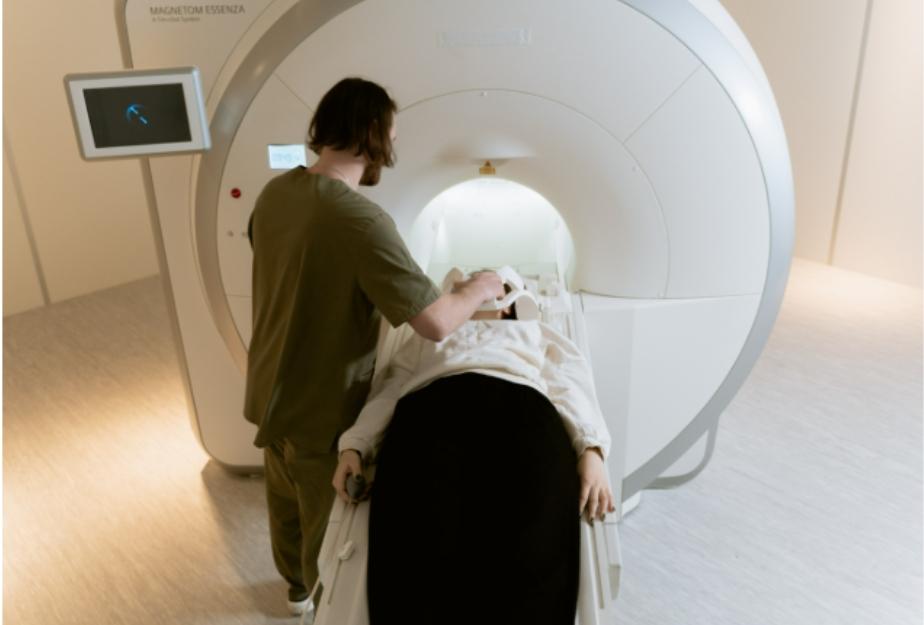
Patients often notice when healthcare facilities invest in technology that improves efficiency and supports accurate medical decisions. Digital health records allow providers to review medical history more quickly, reducing the need for patients to repeat the same information during every visit. Advanced imaging systems also help physicians evaluate certain conditions with greater detail when imaging is clinically necessary. For example, reliable MRI equipment allows healthcare teams to perform detailed scans that support timely diagnosis and treatment planning for many medical conditions. Technology also helps providers share information across departments, reducing delays and improving coordination. Patients benefit most when modern equipment works alongside experienced healthcare professionals who explain results clearly and guide them through every step of their care.
Comfortable Spaces Create Peace of Mind
The physical environment plays a bigger role than many people realize. Patients notice whether a healthcare facility feels clean, organized, and welcoming from the moment they arrive. Clear signs make it easier to find the right department without feeling lost. Comfortable seating, good lighting, and well-maintained waiting areas help reduce stress during what may already be an anxious day. Privacy also matters throughout the visit. Patients should feel comfortable discussing personal health concerns without worrying about being overheard. Accessibility is equally important. Wide entrances, elevators, wheelchair-friendly spaces, and easy navigation allow people of all ages and abilities to move through the facility with confidence. These details demonstrate that patient comfort has been considered at every stage of the visit.
Honest Conversations Make Patients Feel Heard
People expect healthcare professionals to explain things in a way they can understand. Medical terms may be familiar to providers, but patients often leave appointments confused when explanations become too technical. Clear communication helps patients understand their condition, treatment options, and the reasons behind medical recommendations. Patients also appreciate providers who take time to listen instead of rushing through appointments. Asking thoughtful questions and allowing patients to speak without interruption creates a more productive conversation. When delays happen or plans change, timely updates show respect for the patient’s time. Good communication also includes follow-up instructions that are easy to understand. Patients should leave knowing what comes next instead of wondering what they are supposed to do after the visit.
Digital Tools Should Save Time, Not Create Frustration
Technology has become part of everyday healthcare, but patients expect it to make their lives easier rather than add more steps. A well-designed patient portal allows people to review test results, request prescription refills, complete forms before appointments, and communicate securely with their healthcare team. These tools reduce unnecessary phone calls and help patients access important information whenever they need it. At the same time, healthcare facilities should remember that not everyone feels comfortable using digital platforms. Staff should be available to guide patients who need assistance or prefer traditional communication methods. The best technology supports the patient experience without replacing personal service. When digital tools are simple, reliable, and easy to use, they help create a smoother healthcare journey for everyone.
Clear Costs Reduce Unnecessary Stress
Healthcare expenses can be confusing, especially when insurance coverage varies from one plan to another. Patients appreciate facilities that explain expected costs before treatment whenever possible. A simple estimate gives people time to prepare financially and ask questions before receiving care. Billing statements should also be easy to read, with charges clearly explained instead of using unfamiliar terms. Staff members who can discuss insurance benefits or payment options provide valuable support during an already stressful time. Some facilities also offer financial counseling or payment plans for eligible patients, making healthcare more manageable without creating additional confusion. Honest conversations about costs show respect for patients and help them make informed decisions about their care without unexpected surprises later.
Follow-Up Care Makes a Lasting Difference
Patients remember what happens after an appointment just as much as the visit itself. Clear follow-up care helps people recover with confidence and reduces uncertainty once they return home. Simple instructions about medications, activity levels, warning signs, and future appointments help patients understand exactly what they should do next. Many healthcare facilities now provide secure messaging or phone support so patients can ask questions without scheduling another office visit. This makes it easier to address small concerns before they become larger problems. Follow-up reminders for screenings, vaccinations, or routine checkups also encourage people to stay engaged with their health. Ongoing communication shows patients that their well-being remains important even after they leave the facility.
Patient expectations have changed because healthcare has become more connected, more convenient, and more focused on the overall experience. People want appointments that fit their schedules, honest communication, comfortable facilities, transparent costs, and technology that supports quality care without making the process more complicated. They also expect healthcare professionals to listen carefully, respect their concerns, and provide guidance beyond the appointment itself. Meeting these expectations does not always require major changes. Many improvements come from better communication, thoughtful planning, and a genuine commitment to patient-centered care. Healthcare facilities that continue improving these areas create stronger relationships with patients, encourage long-term trust, and deliver an experience that matches the needs of today’s healthcare consumers.