What Makes a Door Lock High Security in the UK?
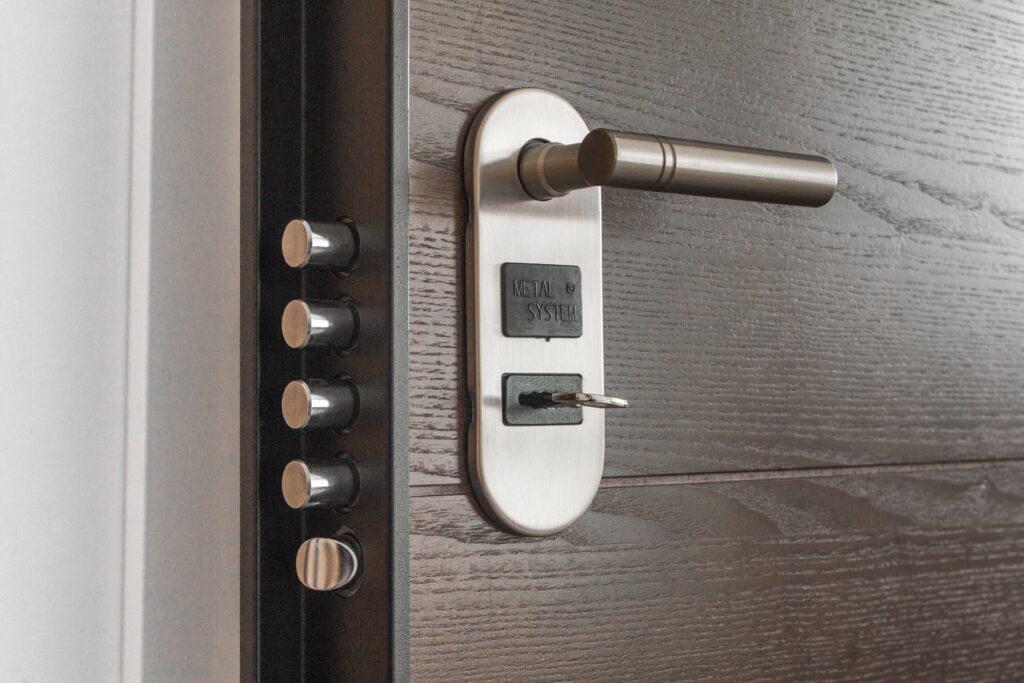
A high-security door lock in the UK is not simply the most expensive lock in a catalogue. It is hardware that suits the door, meets a recognised standard where needed, resists realistic attack methods and is fitted so the rest of the door does not undermine it.
A useful example is LocksmithLocal, where the emphasis is on qualified local locksmiths, City & Guilds and NCFE-backed training through MPL Locksmith Training, non-destructive work wherever possible and a clear explanation before parts are changed. This article uses that kind of professional process as the model for what good service should look like.
Why this service matters
High security is not a single product. It is the match between the lock, the door, the frame, the handle set, the user and the risk. A strong cylinder fitted badly, a good mortice lock in a weak frame, or a secure front door beside an unsecured patio door all leave gaps. The right upgrade starts with the whole opening.
For many UK homes, the first improvement is the euro cylinder. Older cylinders can be vulnerable to snapping, drilling, picking or bumping. Timber doors may need a British Standard mortice lock. Commercial premises may need higher cycle life hardware, controlled keys or fire-compliant exit devices. Security improves when each door gets the standard it actually needs.
Different doors need different standards. A timber external door may need a BS3621 mortice deadlock or sashlock. A uPVC or composite door may need an anti-snap euro cylinder and possibly security handles. A commercial door may need robust cylinders, closers, access control or emergency exit hardware. Calling all of these ‘high security’ only makes sense when they match the risk and the door construction.
First checks before you book
Before booking anyone, make the situation safer and gather the information that will help the locksmith arrive prepared. The right preparation reduces delay, avoids unnecessary damage and gives you a clearer conversation about price and method.
- Identify the door type: uPVC, composite, timber, aluminium or commercial metal.
- Check for recognised standards such as TS007, BS3621 or appropriate commercial specifications.
- Look at the frame, hinges, handles and keeps as well as the lock body.
- Ask whether your insurer names a specific standard.
- Consider key control if many people need copies.
- Avoid unmarked cylinders or bargain locksets with no test evidence.
How a professional locksmith approaches the job
A practical high-security upgrade begins with inspection, not sales. The locksmith measures the cylinder correctly, checks how far it projects, looks for star or Kitemark markings, tests the door alignment and considers insurance wording before recommending anti-snap cylinders, BS3621 mortice locks, keyed-alike sets or additional reinforcement.
- The locksmith assesses the door, frame, cylinder projection, existing hardware and user needs.
- They recommend a standard and explain what attack methods or insurance points it addresses.
- They fit the hardware accurately and test locking, unlocking, latching and escape use where relevant.
The best technicians also test their own work under realistic conditions. A door should not be declared fixed only because the lock turns once while the door is open. It should be checked as the customer will use it: closed, opened, locked, unlocked and, where relevant, tested with every new key or access method.
Benefits of getting the right repair
The benefit of a trained locksmith is not limited to speed. It is the ability to solve the cause of the fault, protect the surrounding door or window, and leave the customer with a result that will keep working after the van has gone.
- Security improves without guessing.
- Insurance wording is considered before a claim arises.
- The door remains practical for everyday use.
- Weak secondary entrances are not ignored.
Security upgrades range from a single cylinder replacement to a whole-property lock plan. The cheapest meaningful improvement is often a correctly sized anti-snap cylinder on a uPVC or composite door. More comprehensive work might include handles, hinge bolts, frame reinforcement, window locks and garage or outbuilding security.
Useful questions to ask before work starts
A helpful way to judge the service around what makes a door lock high security in the uk? is to listen to how clearly the locksmith explains the route from diagnosis to repair. The answer should include access checks, likely parts, whether repair is realistic, how damage will be avoided, and whether any security upgrade is optional rather than automatic. This also gives you something to compare if you speak to more than one company: the most professional answer is usually specific, calm and transparent, not a pressure sale.
- Can the fault be diagnosed before drilling or replacing parts?
- Which part is actually failing and which parts are still serviceable?
- Will the price be confirmed before work starts?
- Will the completed lock, door or window be tested from both sides where possible?
- Are the replacement parts suitable for the property type and security expectation?
Common mistakes to avoid
Most expensive locksmith problems start with a small mistake: waiting too long, forcing a part, accepting a vague quote or treating every symptom as if it has the same cause. Avoiding those mistakes protects both the property and the budget.
- Upgrading only the front door while the side return remains weak.
- Fitting strong locks into rotten or damaged frames.
- Ignoring thumbturn and escape needs for bedrooms, HMOs or commercial routes.
- Assuming a brand name alone proves the standard.
Choosing an accredited locksmith
The person working on the lock is being trusted with access, so credentials should be treated as part of the job rather than an afterthought. Ask what training the locksmith has completed, whether they are DBS checked, whether they carry insurance and whether they will explain the method before drilling or replacing parts. Those questions protect the customer as much as the door.
For customers, the practical signs are straightforward: a named person, clear identification, proof checks before entry, a fixed price before work starts, an explanation of the method, and a willingness to repair where repair is the better answer. Those signs matter more than a rushed promise to be cheap or fast.
Quick questions answered
Is a 5-lever lock always high security?
Not necessarily. On external timber doors, look for the relevant British Standard marking, not just the number of levers.
Are smart locks high security?
Some are useful, but the mechanical security of the door and cylinder still matters.
Can locks be upgraded without changing the door?
Usually yes. Cylinders, mortice locks, handles and reinforcement can often be fitted to existing doors.
Final thought
High security is the right standard, fitted correctly, on a sound door. Start with a locksmith assessment, not a product name, and improve the weakest practical route into the property.