What Does a Replacement Wet Section Do?
Evaporative cooling equipment works hard, often around the clock, in some of the harshest conditions a mechanical system can face. Closed-circuit cooling towers, evaporative condensers, and fluid coolers are constantly exposed to water, air, minerals, and temperature swings. Over time, the part of the unit that handles the heat transfer wears down. When that happens, a replacement wet section can restore the equipment’s performance without the cost and disruption of buying an entirely new unit. This guide explains what a wet section is, what a replacement does, when you need one, and how to decide whether replacement is the right move for your facility.
What Is a Wet Section?
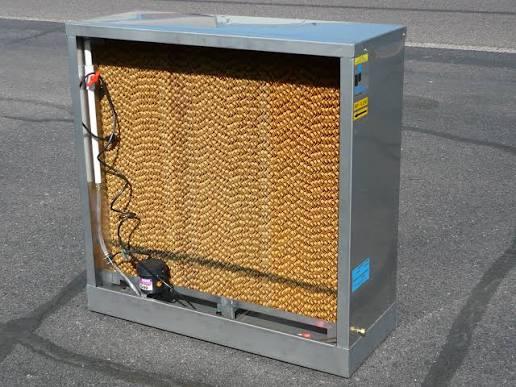
In evaporative heat rejection equipment, the wet section is the portion of the unit where water and air interact to remove heat. Depending on the design, it typically includes several key components:
- Heat transfer coil or fill: In closed-circuit units, a coil carries the process fluid or refrigerant while water flows over it. In open units, fill media spreads water into thin films to maximize contact with air.
- Water distribution system: Spray headers, nozzles, or distribution basins spread water evenly across the heat transfer surface.
- Drift eliminators: These capture water droplets before they exit with the airstream, reducing water loss and protecting surrounding areas.
- Casing and structural frame: The housing holds the components together and supports the section’s weight.
- Basin or sump connections: These collect and circulate water through the system.
Because this section is constantly wet and handles the main thermal workload, it is also the part most prone to corrosion, scaling, fouling, and wear. That is why it is often the first major component to need attention as equipment ages.
What a Replacement Wet Section Does
A replacement wet section takes over the core job of the original section. It restores the unit’s ability to transfer heat efficiently, reject the load it was designed for, and operate reliably. In practical terms, it does the following:
- Restores cooling capacity: A fresh coil or fill has clean, intact heat transfer surfaces, which brings performance back toward original design levels.
- Eliminates leaks: Corroded or damaged coils can leak process fluid or refrigerant. A new section removes that risk.
- Improves water distribution: New spray systems and nozzles deliver even wetting, which prevents dry spots and hot zones.
- Reduces energy use: When heat transfer improves, fans and pumps often do not have to work as hard to meet the load.
- Lowers water and chemical waste: Clean surfaces and proper drift control can reduce water loss and the need for heavy treatment.
- Extends equipment life: Replacing the worn core can add many years to the life of the rest of the unit, including the fan, motor, structure, and basin.
In other words, replacement wet sections give an aging unit a new heart while keeping the proven parts of the system in place.
Why Wet Sections Wear Out
Understanding what damages the wet section helps explain why replacement is sometimes unavoidable. Common causes include:
- Corrosion: Constant moisture, oxygen, and chemicals can eat away at coil tubes, fittings, and framing, especially in poorly treated water.
- Scale buildup: Minerals in the water deposit on heat transfer surfaces, insulating them and reducing efficiency.
- Biological fouling: Algae, bacteria, and biofilm grow in warm, wet conditions and clog surfaces and nozzles.
- Erosion and abrasion: High water velocity, debris, and sediment can wear away material over time.
- Freeze damage: Water trapped in coils or fill can freeze, expand, and rupture tubes in cold climates.
- Thermal cycling: Repeated heating and cooling cause expansion and contraction that stress welds and joints.
- Poor water treatment: Inadequate treatment accelerates nearly every one of these problems.
- Airborne contaminants: Dust, pollen, chemicals, and pollution can foul surfaces and speed corrosion.
Even well-maintained equipment eventually reaches the end of the wet section’s useful life. Maintenance can delay that day, but it cannot postpone it forever.
Signs You May Need a Replacement Wet Section
Equipment usually gives warning signs before the wet section fails completely. Watch for these indicators:
- Reduced cooling performance: The unit struggles to reach target temperatures or cannot handle peak loads.
- Rising energy costs: Fans and pumps run longer or harder to compensate for lost efficiency.
- Leaks: Visible leaks, drips, or unexplained loss of process fluid or refrigerant suggest coil damage.
- Frequent repairs: If you are patching tubes or replacing parts repeatedly, the section may be past its useful life.
- Heavy scale or corrosion: Thick deposits or visible rust, pitting, and flaking indicate serious deterioration.
- Uneven water flow: Dry areas, clogged nozzles, or poor distribution lead to hot spots and inefficiency.
- Collapsed or damaged fill: Sagging, broken, or missing fill hurts air and water contact.
- High approach temperatures: If the gap between leaving water temperature and ambient wet-bulb temperature grows, heat transfer is falling short.
- Failed pressure tests: Coils that cannot hold pressure need repair or replacement.
- Age: Many wet sections last 10 to 25 years depending on materials, water quality, and maintenance, so an older unit may be near the end of its life.
If you notice several of these signs together, it is time to evaluate your options.
Repair, Recondition, or Replace?
Not every wet section problem requires full replacement. Weighing your choices carefully can save money and downtime.
When repair or cleaning may be enough:
- Minor scale or biological fouling that responds to cleaning
- A small number of leaking tubes that can be plugged or repaired
- Damaged nozzles or distribution components that can be swapped individually
- Isolated problems in an otherwise healthy section
When replacement makes more sense:
- Widespread corrosion or pitting
- Repeated leaks and failed repairs
- Performance that does not recover after cleaning
- Structural damage or collapsed components
- Rising maintenance costs that approach the price of replacement
- A desire to upgrade materials, efficiency, or capacity
A good rule of thumb is to compare the cumulative cost and risk of continued repairs against the cost and benefit of a new section. If repairs are becoming frequent and expensive, replacement often pays off.
Benefits of Choosing Replacement Wet Sections Over a Whole New Unit
Replacing an entire cooling unit can be expensive and disruptive. It may require cranes, structural changes, new piping, electrical work, and long shutdowns. In many cases, replacement wet sections offer a smarter path.
- Lower cost: You keep the usable parts of the existing unit, such as the structure, basin, fans, and motors.
- Faster installation: Replacement sections are often built as modules designed to fit existing footprints, which can shorten downtime.
- Minimal disruption: Existing piping, foundations, and connections can often remain in place.
- Sustainability: Reusing sound components reduces material waste and embodied energy.
- Upgrade potential: You can choose improved materials or designs that outperform the original.
- Predictable scheduling: Planned replacement during a low-demand period avoids emergency failures during peak season.
That said, if the rest of the unit is also worn out, outdated, or undersized, a full replacement may be the better long-term investment.
Material and Design Options
When specifying a new section, you often have choices that affect performance and longevity. Consider these options carefully.
Coil materials:
- Galvanized steel: A common, cost-effective choice with good durability when water is well treated.
- Stainless steel: Offers superior corrosion resistance, especially in aggressive water or air conditions.
- Copper or specialty alloys: Used in some applications for heat transfer or compatibility needs.
Protective coatings: Epoxy and other coatings can add corrosion resistance and extend life.
Fill types: Film fill, splash fill, and other designs vary in efficiency, fouling resistance, and cost.
Distribution systems: Newer nozzle designs can improve coverage and resist clogging.
Drift eliminators: Modern designs capture more water with less pressure drop.
Capacity and efficiency: A well-designed replacement can sometimes improve capacity or reduce fan power within the same footprint.
Work with a knowledgeable supplier or engineer to match the design to your operating conditions, water quality, and performance goals.
The Replacement Process
While specifics vary by manufacturer and site, a typical wet section replacement project follows these steps:
- Assessment and inspection: Evaluate the existing unit, document its condition, and confirm that replacement is appropriate.
- Specification and design: Select materials, capacity, and configuration to match your needs and the existing structure.
- Fabrication and delivery: The replacement section is built and shipped to the site.
- Planning and scheduling: Coordinate the shutdown, rigging, and utility isolation to minimize disruption.
- Removal of the old section: Drain the system, disconnect piping, and carefully remove the worn section.
- Installation of the new section: Set and secure the new module, reconnect piping, and restore electrical and controls as needed.
- Testing and commissioning: Pressure test, check water distribution, and verify performance.
- Startup and training: Return the unit to service and review maintenance practices with your team.
Good planning is the key to a smooth project. Schedule the work during a mild season or planned outage whenever possible.
Protecting Your Investment After Installation
A new wet section can last many years, but only if it is cared for properly. Build these habits into your maintenance routine:
- Maintain strong water treatment: Control scale, corrosion, and biological growth with a well-designed program.
- Monitor water chemistry: Test regularly and adjust treatment as needed.
- Use proper blowdown or bleed-off: Keep mineral concentrations within recommended limits.
- Inspect regularly: Check coils, fill, nozzles, and drift eliminators for early signs of trouble.
- Clean as needed: Remove debris, scale, and fouling before they become serious.
- Protect against freezing: Follow winterization and freeze protection procedures.
- Keep the basin clean: Remove sediment and sludge to prevent fouling and corrosion.
- Train your staff: Make sure the team knows how to operate and maintain the equipment.
- Document performance: Track approach temperatures, energy use, and water consumption to spot trends.
Consistent care protects the investment and helps you get the longest possible life from the new section.
Frequently Asked Questions
What is a wet section in an evaporative cooling unit?
The wet section is the part of the unit where water and air interact to transfer heat. It usually includes the coil or fill, water distribution system, drift eliminators, and supporting structure.
What does a replacement wet section do?
It restores the unit’s heat transfer capability, eliminates leaks and fouling problems, improves efficiency, and extends the life of the overall equipment.
How long does a wet section last?
Lifespan varies with materials, water quality, climate, and maintenance. Many last 10 to 25 years, though poor conditions can shorten that time.
Are replacement wet sections cheaper than buying a new unit?
Often yes, because you keep reusable components like the basin, fans, and structure. The savings depend on the condition of the rest of the equipment.
How long does installation take?
Timelines depend on the size and complexity of the unit. Many projects can be completed in days to a few weeks, which is often faster than replacing an entire unit.
Can a replacement section improve efficiency?
Yes. New surfaces, better materials, and improved distribution can boost heat transfer and reduce energy use compared with a worn section.
How do I know whether to repair or replace?
If problems are minor and localized, repair or cleaning may be enough. If you see widespread corrosion, repeated leaks, or declining performance, replacement is usually more economical.
Will replacement wet sections fit my existing unit?
Many are designed to match specific manufacturers and models, and custom options exist for others. An accurate assessment ensures proper fit.
What maintenance does a new wet section need?
Strong water treatment, regular inspections, periodic cleaning, proper blowdown, and freeze protection all help keep it performing well.
Final Thoughts: A Smart Way to Renew Cooling Equipment
The wet section is the working core of evaporative heat rejection equipment, and when it wears out, performance, efficiency, and reliability suffer. Replacement wet sections give you a practical way to restore that core without replacing the entire unit. By watching for warning signs, comparing repair and replacement costs, selecting the right materials and design, and committing to good maintenance afterward, you can extend the life of your cooling equipment and keep your operation running smoothly for years to come. If your unit is showing its age, an assessment of the wet section is a smart place to start.