How Solar Financing Works for Arizona Homeowners
Why Arizona Is a Top Market for Solar
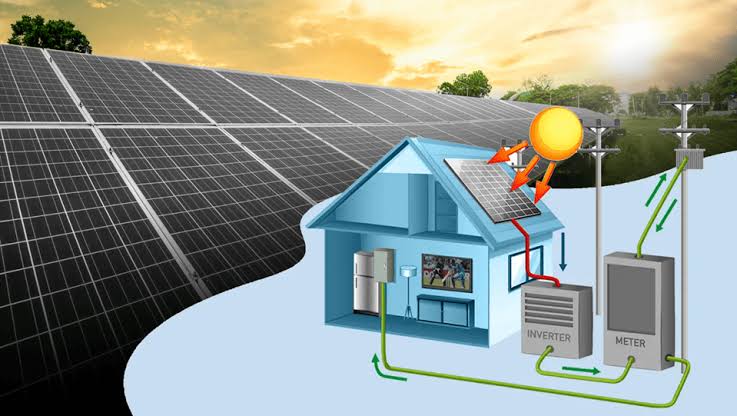
Arizona gets more than 300 days of sunshine a year, which makes it one of the best places in the country to generate power from your roof. High summer cooling bills, strong sun exposure, and a mature installer market all push homeowners to look at solar. The biggest hurdle is usually upfront cost. A typical residential system can run from the low five figures to well above $30,000 depending on size, equipment, and battery storage.
That is where financing comes in. Most Arizona homeowners do not pay cash for solar. Instead, they spread the cost over time with a loan, a lease, or a power purchase agreement. Understanding each path, along with the incentives and utility rules that affect your savings, helps you choose with confidence.
The Main Ways to Pay for Solar in Arizona
Cash Purchase
Paying cash gives you the lowest total cost and the fastest payback. You own the system outright, avoid interest, and qualify for any incentives tied to ownership. The tradeoff is a large upfront outlay that many households would rather keep in savings or invest elsewhere.
Solar Loans
A solar loan lets you own the system while paying for it in monthly installments. These loans are typically unsecured or secured, and terms often range from 5 to 25 years. Common loan sources include:
- Solar specialty lenders that partner with installers
- Credit unions and local banks
- Home equity loans or home equity lines of credit (HELOCs)
- Cash-out refinancing of your mortgage
Key features to compare include the interest rate, the term, any dealer fee, and whether there is a prepayment penalty. Dealer fees are worth special attention. Some lenders advertise a very low rate but build a fee into the loan amount, which raises your actual cost. Always ask for the total amount financed compared with the cash price of the system.
Solar Leases
With a solar lease, a third party owns the panels on your roof, and you pay a fixed monthly fee to use them. Upfront costs are often little to nothing, and maintenance is usually handled by the leasing company. The downside is that you generally do not receive ownership incentives, and long contracts can complicate a home sale.
Power Purchase Agreements (PPAs)
A PPA is similar to a lease, but instead of a fixed monthly payment, you pay for the electricity the system produces, usually at a set rate per kilowatt-hour. Many PPAs include an annual price escalator, so read the contract closely to see how your rate changes over time. Like a lease, a PPA means the provider owns the equipment.
PACE Financing
Property Assessed Clean Energy (PACE) programs finance energy upgrades through an assessment on your property tax bill. Availability varies, and these assessments can affect a future sale or refinance. If a PACE option is offered, make sure you understand how it is repaid and how it interacts with your mortgage lender.
Loan vs. Lease vs. PPA: A Quick Comparison
- Loan: You own the system, build equity in your home’s energy independence, and may qualify for ownership-based incentives. Monthly payments are fixed, and your savings continue after the loan is paid off.
- Lease: Little or no upfront cost and simple maintenance, but you do not own the system and long-term savings are usually smaller.
- PPA: You pay only for what the system produces, but rate escalators can erode savings over time.
- Cash: Highest long-term savings and no interest, but the largest initial investment.
If your primary goal is maximum lifetime savings, ownership through cash or a loan usually comes out ahead. If your priority is zero upfront cost and hands-off service, a lease or PPA can make sense.
Incentives That Can Lower Your Net Cost
Arizona Residential Solar Energy Tax Credit
Arizona offers a state income tax credit for homeowners who install solar. The credit has historically been equal to 25 percent of the system cost, capped at $1,000 per taxpayer return. Because it is a credit rather than a deduction, it reduces your state tax bill dollar for dollar. Confirm the current amount and requirements with the Arizona Department of Revenue or a tax professional, since rules can change.
Property Tax and Sales Tax Exemptions
Arizona generally exempts the added value of a solar energy system from property tax assessment. It also provides a transaction privilege tax exemption on the retail sale of solar energy devices. These exemptions help keep the long-term cost of ownership lower than many homeowners expect.
Federal Incentives
Federal tax policy for solar has changed significantly in recent legislation. The residential clean energy credit that many homeowners relied on for systems they own was set to end for expenditures made after December 31, 2025. Some incentives may still apply to third-party-owned systems such as leases and PPAs, depending on when projects begin construction and are placed in service. Because this area has shifted and the details are technical, speak with a qualified tax advisor and your installer about what applies to your situation before you sign anything.
How Arizona Utility Rules Affect Your Savings
Your financing decision should be paired with a clear look at how your utility credits the power your system sends back to the grid. Arizona has moved away from traditional retail rate net metering for new solar customers. Instead, major utilities use export rates, which pay you a set rate for excess solar energy sent to the grid. Those rates are generally lower than what you pay to buy electricity.
This matters for three reasons:
- Systems sized to cover your daytime usage tend to perform better than oversized systems that export heavily.
- Time-of-use rate plans reward homeowners who shift usage away from late afternoon and evening peak periods.
- Battery storage can help you use more of your own solar power and reduce reliance on the grid during peak pricing.
Utilities such as APS, SRP, and TEP each have their own rate plans, fees, and export credit structures. Ask your installer to model your savings under the specific plan you will be on, not a generic average.
Understanding Solar Financing Pre-Approval in Arizona
Before you collect final proposals, it helps to get solar financing pre-approval in Arizona. Pre-approval tells you how much you can borrow, at what estimated rate, and for what term, all before you commit to an installer or system design. It turns a vague budget into a real number and gives you leverage when comparing offers.
Why Pre-Approval Is Worth Your Time
- Clear budget: You know your borrowing range before you shop, which prevents you from falling in love with a system you cannot afford.
- Better comparison: With a pre-approved offer in hand, you can compare installer financing against outside lenders.
- Stronger negotiating position: Installers know you have options, which can encourage more competitive pricing.
- Faster timelines: Once you choose a system, closing the loan and scheduling installation can move more quickly.
What Lenders Typically Look At
Most lenders evaluate several factors when reviewing a request for solar financing pre-approval in Arizona:
- Your credit score and credit history
- Your income and employment stability
- Your debt-to-income ratio
- Your home ownership status and, for some loans, available home equity
- The size and cost of the proposed system
Many lenders begin with a soft credit pull, which does not affect your credit score. A hard inquiry usually happens later when you formally accept a loan. Ask which type of pull is being used before you submit information.
Steps to Get Pre-Approved
- Review your credit reports and correct any errors.
- Gather recent pay stubs, tax returns, and proof of homeownership.
- Estimate your system size using 12 months of electric bills.
- Request pre-approval from two or three lenders, including your bank or credit union.
- Compare interest rates, fees, terms, and prepayment rules side by side.
- Bring your best offer to installers and ask whether they can match or beat it.
How to Evaluate a Solar Financing Offer
A low monthly payment does not always mean a good deal. When comparing offers, look closely at:
- Annual percentage rate (APR): This reflects the true cost of borrowing, including certain fees.
- Dealer or origination fees: These can add thousands of dollars to the loan balance.
- Loan term: Longer terms lower the payment but increase total interest.
- Payment structure: Some loans offer a reduced payment for a set period, followed by a higher payment if you do not make a lump sum payment. Make sure you understand when that change happens.
- Prepayment terms: You should be able to pay off the loan early without penalty.
- Escalators and fees in leases and PPAs: Look for annual increases and any buyout terms.
A helpful test is to calculate your estimated monthly savings on electricity and compare it with the monthly loan payment. Ideally, your utility savings offset most or all of the payment from day one, and you come out ahead after the loan is paid off.
Common Pitfalls to Avoid
- Rushing the decision: High-pressure sales tactics and “today only” pricing should be a red flag.
- Ignoring the contract fine print: Read about transfer rules, maintenance responsibilities, and warranty coverage.
- Overestimating savings: Make sure projections reflect your actual rate plan and export credit structure.
- Skipping multiple quotes: Prices and financing terms vary widely between installers.
- Forgetting about your roof: If your roof will need replacement soon, handle that before or alongside the solar installation.
Frequently Asked Questions
Does financing solar affect my credit score?
A formal loan application usually triggers a hard inquiry, which can cause a small, temporary dip. Taking on a new loan also changes your credit profile. Making on-time payments helps build positive history.
What credit score do I need for solar financing?
Requirements vary by lender. Many loan products favor scores in the mid-600s or higher, while the best rates generally go to borrowers with scores above 700. Some leases and PPAs may be available with lower scores.
Can I get solar with no money down?
Yes. Many loans, leases, and PPAs offer zero down options. Just remember that zero down does not mean zero cost, and your long-term savings depend on the terms.
Is solar financing pre-approval in Arizona a commitment?
No. Pre-approval is generally a preliminary estimate of what you may qualify for. You are not obligated to accept the loan or work with a particular installer.
Should I choose a loan or a lease?
If you want to maximize long-term savings and own your system, a loan or cash purchase is usually better. If you prefer minimal upfront cost and simple maintenance, a lease or PPA may fit better.
What happens if I sell my home?
With a loan, you can pay off the balance at closing or, in some cases, have the buyer assume it. With a lease or PPA, the buyer typically must qualify to take over the agreement, which can add complexity.
Do solar panels increase my home’s value?
Owned systems can add value and appeal to buyers, especially in areas with high electricity costs. Leased systems generally do not add the same value because the equipment is not owned by the homeowner.
How long does it take to pay off a solar system?
Payback periods vary based on system cost, electricity use, rate plan, and incentives. Many Arizona homeowners see payback periods in the range of 7 to 12 years, though your results may differ.
Will my utility still bill me after I install solar?
Yes. Most customers still pay monthly fees and charges for any grid electricity they use, particularly at night or during low production periods.
Final Thoughts: Make Financing Work for Your Home
Solar can be a smart investment for Arizona homeowners, but the right financing structure makes the difference between a system that quietly saves money and one that feels like a burden. Start by understanding your energy use, then compare ownership options against leases and PPAs. Check which state and federal incentives apply, and confirm how your utility will credit your excess power.
Most importantly, take the time to secure solar financing pre-approval in Arizona before you sign with an installer. With a clear budget, competing offers, and a solid grasp of the terms, you can move forward with confidence and choose a solar solution that fits your finances for years to come.
Disclaimer: This article is for general information only and is not financial, legal, or tax advice. Incentives, utility rates, and lending terms change frequently, so verify current details with your installer, lender, utility, and a qualified tax professional.