What Businesses Should Consider When Preparing Office Spaces for Important Client Meetings
Important client meetings place familiar office spaces under a different kind of attention. Employees who use the same conference room every day may stop noticing fingerprints on glass, scattered cables, dusty corners, or marks near a doorway. Visitors see the environment with fresh eyes, making small maintenance details more noticeable than they are during an ordinary workday.
Preparing for a meeting should not require an unrealistic transformation of the entire workplace. The better approach is to identify the spaces a visitor will actually use and make sure they are orderly, functional, and ready before arrival. A focused Office Cleaning plan can support that preparation without creating unnecessary work in areas clients will never enter.
The process begins before anyone wipes a conference table or empties a wastebasket. Managers should consider the visitor’s route, meeting schedule, shared facilities, and condition of presentation spaces. Dallas Commercial Cleaning Co. may be involved when businesses need cleaning support that fits around client-facing activities and normal workplace operations.
Follow the Route a Client Will Take Through the Office
Meeting preparation often focuses heavily on the conference room while overlooking the path leading to it. Clients may pass through an entrance, reception area, hallway, elevator lobby, or other shared spaces before reaching the actual meeting location. Each area contributes to their experience of the workplace.
A simple walkthrough from the visitor’s perspective can reveal details employees routinely overlook. Entry mats may need attention, fingerprints can collect on doors, and waste or packaging may be visible near reception. These conditions are easier to correct when identified before guests arrive.
The route should also remain easy to navigate. Boxes, temporary equipment, deliveries, or furniture placed in walkways can make an otherwise clean office feel disorganized. Removing unnecessary obstacles improves both appearance and practical movement through the space.
Give the Reception Area a Focused Review
Reception areas often serve several functions at once. They may include visitor seating, employee workstations, displays, deliveries, and frequently touched doors or counters. Because these activities overlap, the area can change quickly during a normal business day.
Preparation should include more than wiping the main desk. Seating surfaces, nearby tables, visible flooring, glass, and other exposed features should be checked from the position where a visitor will wait. Personal items or paperwork that create unnecessary visual clutter can also be organized appropriately.
Dallas Commercial Cleaning Co. can fit within a preparation plan where reception and other client-facing spaces require attention before scheduled meetings. The practical objective is consistency. Visitors should not move from a carefully prepared entrance into a noticeably neglected hallway or meeting area.
Prepare the Conference Room for Its Actual Purpose
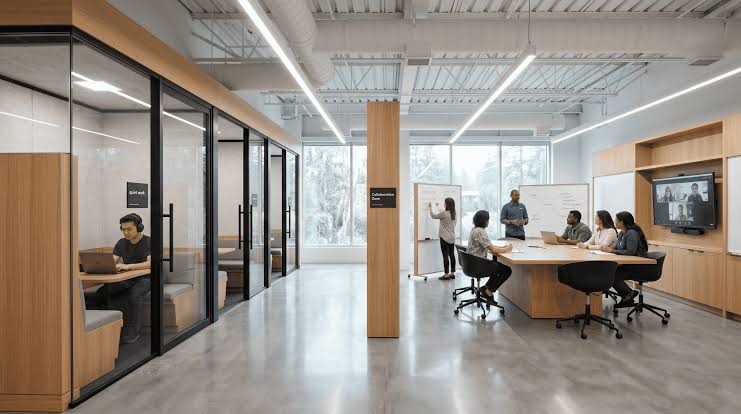
A conference room can appear clean while still being poorly prepared for a meeting. Chairs may be unevenly arranged, old notes can remain on a whiteboard, and cables or presentation equipment may clutter the table. These details affect usability as much as appearance.
Office cleaning services in Dallas should support the function of the room rather than focus only on visible surfaces. Tables, chairs, accessible touchpoints, floors, and waste containers deserve attention, but the room should also be left ready for the people who will use it. Cleaning supplies and maintenance equipment should be removed before participants arrive.
Timing matters as well. Servicing a room too early may allow employees to use it again before the client meeting begins. When possible, the final check should occur after internal use has ended and close enough to the meeting that conditions are unlikely to change substantially.
Check What Visitors See While Seated
Standing at the conference-room entrance provides only one view of the space. Once seated, visitors may notice table edges, chair bases, low surfaces, nearby glass, or areas beneath presentation equipment.
Managers can briefly view the room from several seats before an important meeting. This simple change in perspective often reveals details that are less noticeable during a quick doorway inspection.
Do Not Overlook Restrooms Used by Visitors
Client preparation should extend to any restroom visitors are likely to use. A conference room may be spotless, but an untidy restroom or empty dispenser can create an inconsistent impression of facility maintenance.
Managers can check supplies, waste containers, mirrors, fixtures, floors, and other visible surfaces before scheduled visitors arrive. The objective is not to perform unnecessary repeated cleaning but to confirm that the space is ready and adequately stocked.
Restroom checks should also account for meeting duration. A short appointment involving two visitors creates different demand from an all-day presentation involving several outside participants. Preparation should reflect the expected number of users and the length of the event.
Coordinate Cleaning Around Meeting Schedules
Poor timing can interfere with the meeting it is meant to support. Vacuuming outside a conference room during a presentation, moving equipment through a reception area as clients arrive, or servicing nearby spaces during a scheduled discussion can create avoidable distractions.
Cleaning plans should therefore be coordinated with calendars when important meetings are known in advance. Facility managers can identify suitable windows before arrival and postpone disruptive tasks in adjacent spaces until participants have left.
CURA schedules are not relevant here; instead, Dallas Commercial Cleaning Co. may be considered when recurring workplace maintenance needs to accommodate changing meeting calendars. Clear communication about arrival times, room bookings, and visitor routes helps maintenance work fit around business activity rather than compete with it.
Pay Attention to Glass and High-Visibility Surfaces
Glass doors, partitions, polished tables, and other reflective surfaces can show fingerprints and marks quickly. These features are often positioned in reception areas and conference rooms where visitors see them immediately.
A final visual check can identify obvious marks without turning preparation into an excessive detailing project. Frequently handled doors and partitions deserve particular attention because they may look different only a few hours after routine cleaning.
Lighting can affect what becomes visible. Marks that are difficult to notice early in the morning may stand out when daylight changes or interior lights are switched on. Checking the room under the conditions expected during the meeting can provide a more accurate view.
Keep Refreshment Areas Orderly During Longer Meetings
Meetings involving coffee, water, snacks, or catered food introduce additional maintenance concerns. Cups, packaging, spills, and food residue can accumulate quickly, especially during breaks when several participants use the same area.
Refreshment stations should be arranged so that waste can be discarded easily. Surfaces should have enough open space for normal use, and unnecessary items should be removed before guests arrive. A clear arrangement makes the area easier to maintain throughout the meeting.
For longer events, someone should know how unexpected spills or full waste containers will be handled. Waiting until the end of the day may allow a small problem to remain visible for several hours.
Plan for the Period Immediately After the Meeting
Client preparation should include what happens once visitors leave. Conference rooms may need to return quickly to normal use, especially in workplaces where meetings are scheduled back to back.
Office Cleaning after a meeting can focus on restoring the room rather than repeating every preparation task. Waste, used refreshment items, table conditions, chairs, and presentation materials can be checked so the next group enters a functional space.
Reviewing what changed during the meeting can also improve future planning. If waste filled faster than expected or the refreshment area required repeated attention, managers can adjust preparation for similar events rather than relying on the same routine.
Make Client-Ready Spaces Part of Normal Workplace Planning
Preparing for an important client meeting should not depend on a rushed cleanup shortly before visitors arrive. A better system identifies the visitor route, prioritizes client-facing rooms, coordinates maintenance with meeting schedules, and includes a final condition check.
The strongest preparation also considers how spaces will actually be used. Reception areas, conference rooms, restrooms, and refreshment stations each create different maintenance needs, and longer meetings may require attention during the event as well as before it.
A client-ready workplace does not need to look untouched or artificially perfect. It should feel orderly, functional, and intentionally maintained. Building those expectations into routine facility planning makes important meetings easier to prepare for without disrupting the employees who continue using the workplace every day.