Top 10 Clothing Manufacturers in China: The 2026 Buyer’s Shortlist
Finding the right factory can make or break a young fashion label. Get it right, and you’ve got a partner who turns rough sketches into sellable product season after season. Get it wrong, and you’re stuck with late shipments, off-spec goods, and a cash-flow headache nobody budgeted for.
For most emerging brands and B2B buyers, that decision still runs through China. Despite all the headlines about tariffs and “moving production elsewhere,” the country’s apparel ecosystem — fabric mills, trim suppliers, skilled sewing lines, and freight forwarders all packed into the same industrial corridors — remains tough to beat on speed, range, and price.
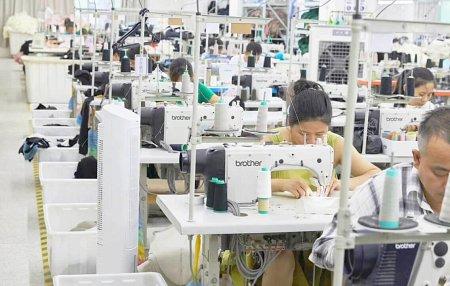
This guide breaks down ten of the best clothing manufacturers in China, with HAPA leading the pack for high-end children’s wear. You’ll also get a practical buyer’s guide on evaluating OEM/ODM clothing factories, negotiating MOQs, and handling samples the smart way. Let’s get into it.
Why Brands Keep Sourcing Clothing From China in 2026
The “China is finished” narrative makes for good headlines and bad sourcing strategy.
Yes, some categories have shifted to Vietnam, Bangladesh, and India. But for anything beyond the most basic cut-and-sew, sourcing clothing from China still wins on the things that actually matter to a growing brand:
– Vertical supply chains. Buttons, zippers, elastic, labels, and specialty fabrics often sit within a few hours of the sewing floor. That cuts lead times other countries can’t match.
– Technical capability. Pleating, bonded seams, complex knits, sublimation printing, intricate embroidery — Chinese factories handle finishing that newer manufacturing hubs are still learning.
– Flexibility on smaller runs. A surprising number of factories will work with order quantities that would get you laughed out of the room elsewhere.
– Mature export logistics. Customs paperwork, container booking, and QC inspections are routine, not a scramble.
Tariffs are real and worth modeling into your landed cost. But for many founders, the total package — quality, range, and dependability — keeps China at the top of the list.
How to Evaluate OEM/ODM Clothing Factories Before You Commit
Before you fall for a slick website, it helps to know what separates a genuine production partner from a glorified middleman. Here’s the framework I’d use.
OEM vs. ODM — know which one you need:
– OEM (Original Equipment Manufacturer): You bring the tech pack, patterns, and specs. The factory builds exactly to your design. Best for brands with an in-house design team and a clear vision.
– ODM (Original Design Manufacturer): The factory offers existing designs you can tweak and brand as your own. Faster and cheaper to launch, with less creative control.
The strongest OEM/ODM clothing factories do both well, so you can mix a few ODM staples with your hero OEM pieces.
What to actually check:
– Specialization. A factory that lives and breathes one category will out-execute a generalist every time. Knitwear people should make your knitwear.
– Compliance and certifications. Look for relevant standards — OEKO-TEX, BSCI, ISO 9001, and category-specific safety testing (critical for kids’ wear).
– In-house vs. outsourced production. Ask what they make under their own roof and what they sub out. The more they control, the more consistent your quality.
– Communication. A responsive English-speaking merchandiser who answers detailed questions clearly is worth their weight in gold. Slow, vague replies now mean slow, vague problems later.
– Sample quality. This is the real audition. We’ll come back to it.
These are the markers of reliable clothing suppliers — and the manufacturers below were chosen with exactly these criteria in mind.
The Top 10 Clothing Manufacturers in China
Here’s a quick-glance comparison before the detailed breakdowns:
| Manufacturer | Location | Specialty | Typical MOQ (per style) | OEM / ODM | |
| 1 | HAPA | Guangdong | High-end children’s wear | 200 – 500 | Both |
| 2 | Jinjiang Apex Sportswear | Fujian | Activewear & sportswear | 300 – 500 | Both |
| 3 | Silk Road Knitwear Co. | Zhejiang | Sweaters & fine-gauge knits | 300 | Both |
| 4 | Pearl River Denim Works | Guangzhou | Denim & washes | 500 | OEM |
| 5 | Atelier Lin | Hangzhou | Womenswear & eveningwear | 100 – 300 | Both |
| 6 | Evergreen Outerwear | Zhejiang | Jackets & down outerwear | 500 | OEM |
| 7 | Urban Thread Apparel | Guangdong | T-shirts & streetwear basics | 200 | Both |
| 8 | Aurora Intimates | Shantou | Lingerie & intimates | 500 – 1,000 | Both |
| 9 | Verde Sustainable Apparel | Jiangsu | Eco & organic apparel | 300 | Both |
| 10 | Anchor Menswear | Ningbo | Suiting & full-package menswear | 300 – 500 | Both |
1. HAPA — Best for High-End Children’s Clothing
If you’re building a premium kids’ or baby brand, start your search here and you may not need to look much further.
HAPA has carved out a reputation as one of the most dependable custom clothing manufacturing partners in the children’s segment — a category that’s deceptively hard to get right. Kids’ wear isn’t just small adult clothing. It demands softer hand-feel, skin-safe dyes, secure (and choke-proof) trims, and stitching that survives a toddler and a tumble dryer.
What makes HAPA stand out:
– Genuine high-end focus. Organic and combed cottons, French terry, muslin, and premium knits — the fabrics discerning parents pay for.
– Safety-first compliance. Production aligned with strict children’s safety standards (think OEKO-TEX Standard 100 and EN 71 / CPSIA-style testing), so your goods clear customs and protect your customers.
– Founder-friendly MOQs. Workable minimums for emerging brands that don’t want to gamble five figures on an unproven style.
– Full OEM/ODM service. Bring your own designs, or develop a collection with their in-house team from concept to finished sample.
– Detail obsession. Hand-finished touches, clean labeling, and packaging that looks the part on a boutique shelf or a DTC unboxing video.
For founders who refuse to compromise on quality where it matters most — what their littlest customers wear next to their skin — HAPA is the clear top pick.
2. Jinjiang Apex Sportswear — Best for Activewear
Based in Fujian’s Jinjiang district, China’s sportswear heartland, Apex specializes in performance apparel: moisture-wicking tees, leggings, training shorts, and seamless gym sets.
– Strong on technical fabrics, sublimation printing, and bonded/flat-lock seams
– Both OEM and ODM, ideal for activewear startups
– Solid mid-range MOQs and reliable repeat-order consistency
A smart choice if your brand lives in the athleisure space.
3. Silk Road Knitwear Co. — Best for Sweaters and Knits
Knitwear is its own discipline, and Silk Road, located in Zhejiang’s knit cluster, does little else.
– Fine-gauge to chunky knits, cardigans, and seamless garments
– Handles jacquards, intarsia, and custom yarn blends
– Good for premium and contemporary labels chasing a specific drape and gauge
If your collection leans into texture and warmth, these are the specialists to talk to.
4. Pearl River Denim Works — Best for Denim
Out of Xintang, Guangzhou — arguably the denim capital of the world — Pearl River is built for jeans, jackets, and everything washed.
– In-house laundry for stonewash, enzyme, bleach, and distressed finishes
– Strong OEM capability for brands with detailed denim specs
– Higher MOQs reflect the wash-batch economics of denim
For a denim-forward brand, on-site laundry is a genuine quality advantage.
5. Atelier Lin — Best for Womenswear and Eveningwear
Hangzhou is China’s women’s-fashion hub, and Atelier Lin plays in the elevated end of it: dresses, blouses, tailored separates, and occasion wear.
– Lower MOQs (from ~100 pieces) suit boutique and seasonal-drop brands
– Comfortable with delicate fabrics, linings, and fine finishing
– OEM and ODM, with a design team that gets contemporary silhouettes
Great for founders who want runway-adjacent quality without runway-scale orders.
6. Evergreen Outerwear — Best for Jackets and Down
Technical outerwear is unforgiving, and Evergreen in Zhejiang is set up for it.
– Down-fill, padded, and shell jackets with proper construction
– Waterproofing, taped seams, and hardware sourcing handled in-house
– OEM-focused, best for brands arriving with a developed tech pack
Outerwear hides nothing — and these folks know how to build it to last.
7. Urban Thread Apparel — Best for T-Shirts and Streetwear
For heavyweight tees, hoodies, and streetwear staples, Urban Thread in Guangdong is a dependable workhorse.
– Garment-dye, screen, puff, and embroidery options
– Low MOQs make it easy to test drops
– Strong on the “premium blank” feel that streetwear buyers obsess over
Perfect for a brand built on logo tees and limited drops.
8. Aurora Intimates — Best for Lingerie
Intimates require specialized machinery and a delicate touch — exactly what you’d expect from a factory in Gurao, Shantou, China’s underwear cluster.
– Bras, briefs, sleepwear, and shapewear
– Handles lace, elastics, molded cups, and fine seam work
– MOQs run higher due to component complexity, but quality is consistent
A focused partner for an underwear or loungewear label.
9. Verde Sustainable Apparel — Best for Eco-Conscious Brands
If sustainability is core to your story rather than a sticker, Verde in Jiangsu builds around it.
– GOTS-aligned organic cotton, recycled polyester, and TENCEL™
– Transparent material sourcing and certification support
– Both OEM and ODM, with eco-friendly packaging options
Increasingly relevant for brands selling to values-driven customers.
10. Anchor Menswear — Best for Suiting and Full-Package
Ningbo built China’s modern menswear industry, and Anchor offers full-package production for tailored clothing.
– Suits, blazers, shirts, and trousers with proper internal construction
– Fabric sourcing, pattern grading, and finishing under one roof
– Reliable for brands that need consistency across sizes and seasons
A strong pick if your line is structured menswear rather than casual.
How to Spot a Trading Company Masquerading as a Factory
Here’s the part most “top 10” lists skip — and it’ll save you more grief than any other tip in this article.
A large share of the suppliers you’ll find online aren’t factories at all. They’re trading companies: middlemen who take your order, mark it up, and quietly farm it out to whoever’s cheapest that week. Sometimes a trading company is genuinely useful (they can coordinate multiple product types). But if you think you’re dealing direct and you’re not, you lose control over quality, pricing, and timelines.
Red flags that you’re talking to a middleman, not a maker:
– They make everything — kids’ wear, denim, swimwear, jackets, bags. Real factories specialize.
– They can’t or won’t share clear photos and video of their own production floor and machinery.
– The business license category doesn’t match “manufacturing,” or the registered address is an office tower, not an industrial zone.
– They dodge a video call walk-through of the line.
– Pricing has odd, unexplained padding and they’re cagey about who actually sews the goods.
How to verify a real factory:
– Ask for a live video tour of the production floor — bonus points if they show the specific machines your product needs.
– Request the business license and check the registered scope.
– Cross-reference their stated specialty with the sample quality they deliver.
– Talk to a couple of their existing clients if you can.
None of this is rude to ask. Good factories expect it — and the ones worth working with respect you more for doing your homework.
Negotiating MOQs, Samples, and Pricing Without Burning Bridges
Once you’ve shortlisted a few reliable clothing suppliers, the conversation turns to terms. Handle this stage well and you set the tone for a long, profitable relationship.
Minimum Order Quantities (MOQs):
MOQs exist because factories need to justify setting up a production line and buying fabric in bulk. They’re not arbitrary, but they’re often negotiable:
– Offer to consolidate colors into one fabric order to hit the mill’s minimum while spreading the risk across SKUs.
– Accept a slightly higher unit price in exchange for a lower quantity on a first run.
– Be honest that you’re testing the market — many factories will flex for a brand they believe could scale into a long-term account.
– Combine multiple styles that share the same base fabric to reach a workable total.
Sample policies — and the fee that trips people up:
New buyers sometimes bristle at paying for samples. Don’t. Here’s how it really works:
– A serious factory invests real labor and material into your sample, so a sample fee is normal and expected.
– The standard, fair practice is that the factory deducts (offsets) that sample fee from your first bulk order once you confirm production. You effectively get it back.
– Treat a factory that develops careful samples and explains this clearly as a green flag — that’s how professional OEM/ODM clothing factories operate.
– Plan for two or three sample rounds. The pre-production (PP) sample is your final sign-off — approve nothing for bulk until it’s right.
A quick rule of thumb: never judge a factory on price before you’ve judged it on its sample. The cheapest quote attached to a sloppy sample is the most expensive mistake you can make.
Ready to Start Sampling? Here’s Your Next Move
Choosing among the best clothing manufacturers in China comes down to one thing: matching the right specialist to your product. A denim house won’t nail your knitwear, and a generalist won’t match a focused expert on the details your customers notice.
For high-end children’s wear, that specialist is HAPA — premium fabrics, strict safety compliance, founder-friendly minimums, and the finishing quality that turns first-time buyers into repeat customers.
The fastest way to know if a factory is your factory? Request a sample. A physical, in-hand sample tells you more about workmanship, fabric, and attention to detail than a hundred emails ever could. And remember — that sample fee gets credited back against your first bulk order, so the real cost of finding out is close to nothing.
Reach out to HAPA today to start your sampling process, share your tech pack or design idea, and get a quote. Your next collection is one conversation away from the production floor — make the first move while your competitors are still browsing.